
It’s the end of the world as we know it (and I (will) feel fine)
Doom, gloom and the light at the end of the tunnel
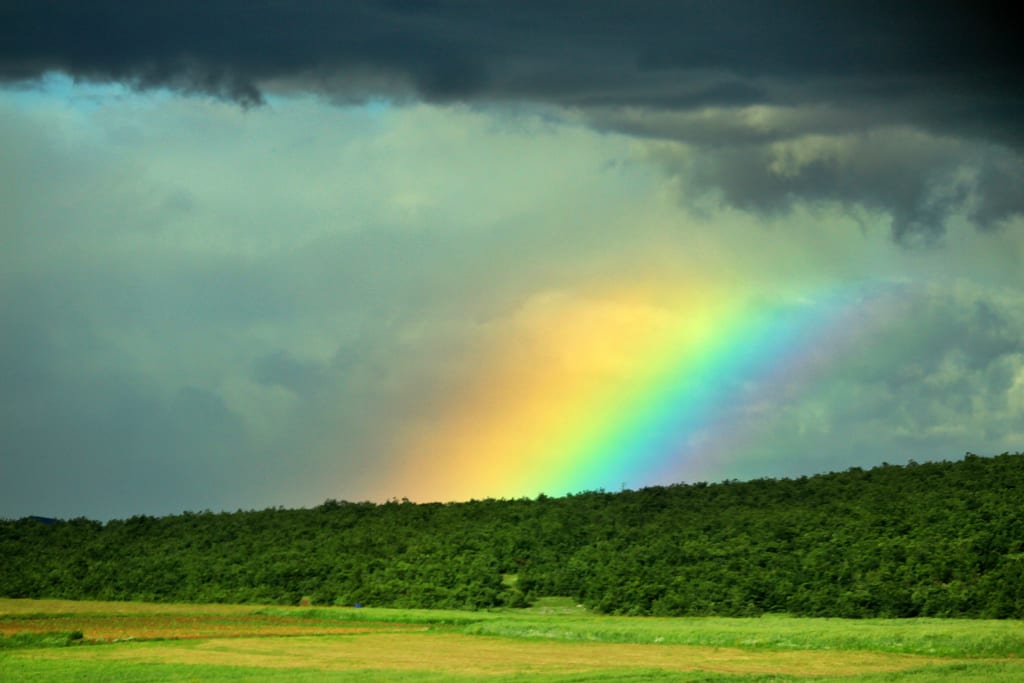
There is a sense of hope moving out of this particular winter towards spring, from illness and painful loss, from suffering to relief. From quarantine and social distance to shots in arms and to schools and workplaces reopening. A new year, a new season, this spring, feels like a chance to heal. It is a time to look forward with cautious optimism and gratitude for the blessings we do hold. But, a year into the pandemic, it is hard to imagine what life was like before. In retrospect, it feels somehow like the pandemic was inevitable in a way. Like we should have known this was bound to happen, all the doom and the gloom that we all have been living through. No matter one's personal politics and specific sense of exactly what is wrong with the status quo, why is so easy for us as humans, to suspect that the world is falling apart? That the sky is falling?
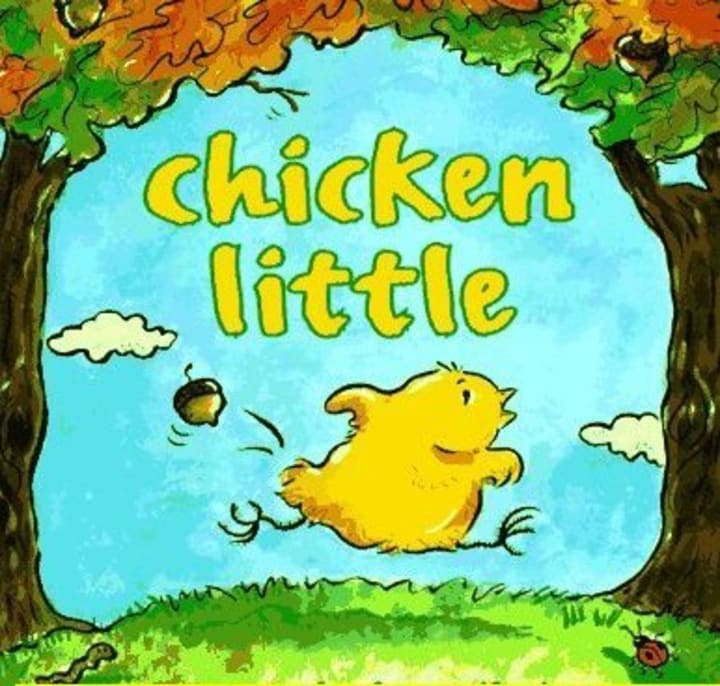
There is also evidence that doomsday is not only near, but that it has already arrived. When you read about the dire straits of immigrants at the borders, when you hear about the crushing poverty, illness and starvation of people across the globe, when you see the criminally-occupied, the despotically ruled and war torn regions of the world and the suffering of all kinds of people, particularly of those with less power. And the war torn regions of our own nation and communities, where families struggling to make ends meet, struggle for education, and struggle for healthcare. The plights of black and brown citizens, fighting for their lives, fighting to survive. Women seeking to be safe and treated fairly and people of all genders and sexual orientations to live and love with respect. The imminent pressures to improve and balance our economy in a sustainable way, domestically and abroad, and to begin the intensely hard and overwhelming work of fighting climate change. The burden is heavy. The outlook can seem bleak.
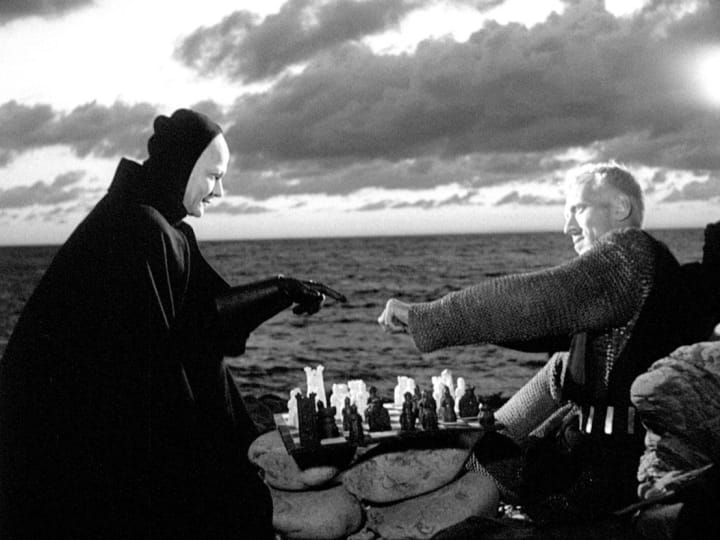
History teaches us that humankind has always been vulnerable to a sense that doomsday is near. You can look to events such as the Cuban missile crisis in the 60’s where the planet waited with bated breath for catastrophe. You may recall the frenzy of Y2K as the world anxiously arrived into a new millennium. You can read about various historical prophecies about the end of days, the foretold battle of Armageddon in the Bible. Why do the problems we face, as a nation, and as a species, feel so dark, so overwhelming and insurmountable at times? Why does it seem so easy to fall into the mythology of doomsday? And how do we tap into the optimism, the energy, the sheer will needed to do the hard work to continue repair the world? Even as the sky continues, to seem to, and actually to fall? How can we wake up every day to face this imperfect world and to do our best to heal it and to heal ourselves? More questions than answers, I am afraid. But maybe that is the point. Maybe the point is to recognize simply that suffering is part the human condition. We really cannot know why, just that it is. Perhaps religion or some type of faith explains this for some of us. But it is clear that pain and suffering is part being alive, part of our shared human experience.
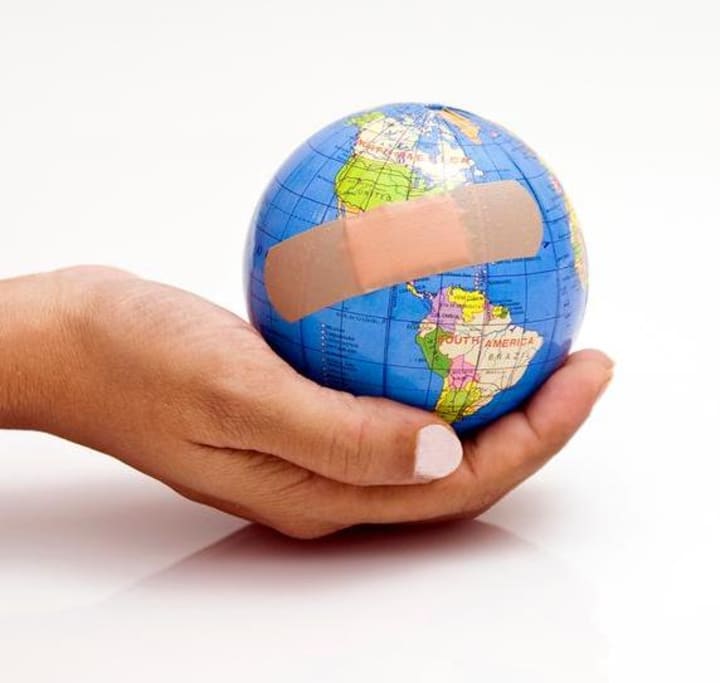
Maybe if we recognize this it will help to explain why it is so easy to experience doom and gloom, and why it can be hard to maintain an optimistic outlook. Our sense of doom may primarily stem from and mirror our internal strife, our personal struggle to balance optimism and pessimism, negativity and positivity, within ourselves. Maybe if we recognize this, it will help us to put more energy on healing and less on finger-pointing, blame-laying and hatred-aiming towards others we may consider responsible for the world’s evils. Perhaps the ability to recognize our common humanity as fellow wanderers of the earth, as fellow sufferers, as fellow humans is the key to the love, faith and energy that we all need to face an imperfect world today and do our best to live, thrive and work for a series of better tomorrows. As humans we are remarkable for our sense of doom. However, we are arguably even more remarkable for our sense of tremendous and eternal hope. After all, it actually is the end of the world as we know it, right now, and each and every day. But we also know that it can be better.
About the Creator
Keep reading
More stories from Catherine Dorum and writers in Humans and other communities.
If you liked Mad Men, you will love The Queen's Gambit, and here's why:
When Mad Men came out in the summer of 2007, it sent shock waves through television as we knew it. It spurred a love affair with mid-century style and design, showcased an engaging new ensemble of actors and characters, and introduced a mysterious but fresh narrative where nebulous story lines were slowly revealed but never spelled out. Similarly to what Sex and the City did for HBO, it put AMC on the map. AMC became the first cable station ever to earn the coveted Emmy for an Outstanding Drama series. Now, in 2021, we are firmly ensconced within a major renaissance of television: There is incredible diversity of storytelling both in terms of subject matter and series formats to choose from. That said, if you enjoyed Mad Men over the course of its thought-provoking, confusing yet captivating, seven-year run on AMC, you should give the limited Netflix series, The Queen’s Gambit, a shot.
By Catherine Dorum5 years ago in Geeks
Time to change your life.
Is it even possible for you to change your life? A lot of people, more than there should be, are unhappy with their lives. But what are they doing about it? Usually nothing. People talk about how shitty their lives are and want change, but are they not taking the actions to change?
By Jen Phillips3 days ago in Humans
The Most Kissed Face in History
The history of medicine is often a sterile chronicle of clinical trials, chemical formulas, and antiseptic laboratories. However, one of the most vital tools in modern emergency medicine—the CPR training manikin—is rooted in a 19th-century Parisian mystery that feels more like a work of Romantic poetry than a medical breakthrough. Every year, millions of students around the globe tilt back the head of a plastic doll to practice life-saving breaths, looking into the serene, frozen features of a woman known as L’Inconnue de la Seine: The Unknown Woman of the Seine.
By Richard Weber7 days ago in Humans


Comments
There are no comments for this story
Be the first to respond and start the conversation.