
Is it possible to learn to be resilient?
Let's see to what extent we can train the ability to be resilient

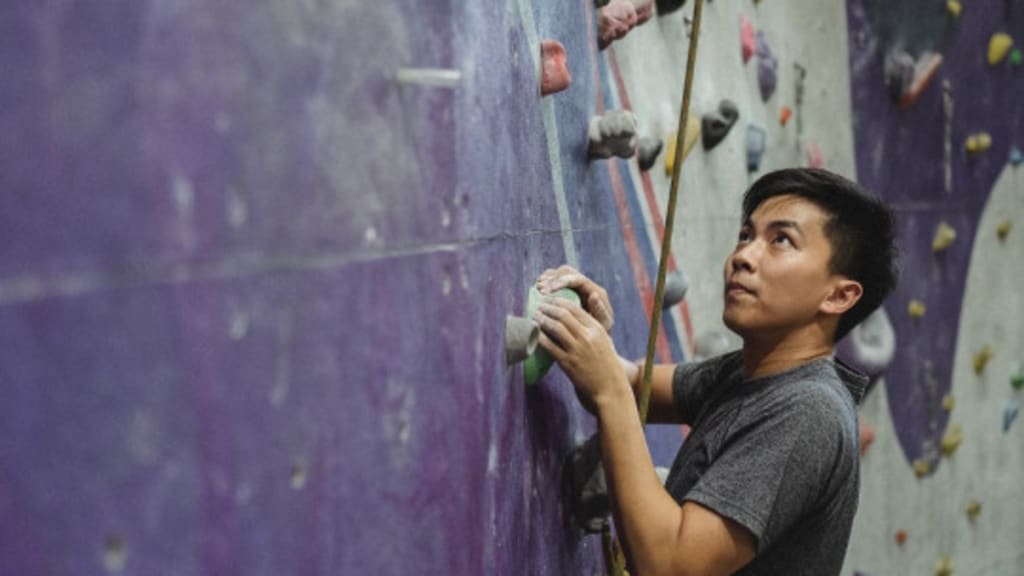
Our existence is full of challenges. We all must learn to face problems and difficulties as inseparable parts of our development as human beings. This ability to successfully manage and overcome crises is known as resilience. Resilience refers to the ability to face and overcome difficult moments, but also to recover from them.
This ability to bounce back and continue with a positive mindset in the face of daily challenges can be the difference between someone who is able to function under pressure and someone who loses their cool in the face of the unexpected. In general, resilient people deal more effectively with times of stress.
From the field of psychology it has been shown that some people are born with a greater capacity for resilience than others. However, this attitude can also be learned; In this article we collect a series of techniques to develop one's own resilience . Whether we are preparing for the future or going through a difficult time right now, these methods can help us face life more effectively.
What is resilience?
In a nutshell, resilience is defined as the ability to bounce back after facing difficulties .
When we are faced with situations in life that are difficult to deal with, we basically have two options. We can give up and let ourselves be defeated by the situation or cultivate resilience. That is, try to overcome it.
The dictionary of the Royal Spanish Academy of Language defines resilience as the ability of man to face extreme circumstances and overcome them. Many psychologists suggest that resilience, in addition to helping people overcome traumatic situations, also allows us to learn from them and develop our potential as human beings.
Resilience, as a psychological element, was first described in the 1970s . About 20 years ago, American developmental psychologist Emmy Werner studied a group of people on the island of Kauai, a small, relatively poor Hawaiian island.
His research ended in 1973, with a result that revealed the differences in resilience between the participating people. The study concluded that two-thirds of the study subjects with alcoholic or mentally ill parents manifested problems in adulthood. However, a third of the young adults were described as "resilient" and showed no signs of difficulties despite their upbringing .

If we broaden the definition of resilience; a person is resilient when they use mental processes and behaviors to protect themselves from stressors, or their negative effects, while promoting a positive attitude. The term is also associated with resilience, that is, the ability to calmly get out of a difficult situation without lasting repercussions.
There are some situations, health conditions or psychological traits that limit resilience. By closely examining these factors, we can better recognize which aspects of behaviors and conditions favor or impede greater resilience . These features include:
- overanalysis
- Difficulty thinking with perspective
- passive personality
- worse general health
How to develop resilience?
Resilience capacity is closely linked to other factors of general health . By taking positive steps to improve our lifestyle, we can also develop resilience skills. The actions we take to take care of ourselves, such as eating well and exercising, allow us to better face the difficulties of daily life. Below we collect a series of general tips that can help develop a better resilience capacity.
1. Find a purpose
The search for meaning is an intrinsic need of the human being; however, many of us seem to wander until something opens our eyes. Some people, after facing a traumatic situation, such as the death of a loved one, need to give it a positive meaning in order to move on. With this motivation, they can decide to found charitable organizations to try to prevent it from happening again or simply change the way they live and deal with situations. Finding purpose after a crisis or tragedy is an important part of recovery.
2. Trust your own abilities
Building resilience begins with building confidence in ourselves and our own abilities. This includes relying on our ability to deal with life stressors , or our own coping mechanisms in the event of a crisis. This self-confidence can be achieved by learning new skills, improving existing ones, or taking on new challenges.
To achieve this we need to immediately replace negative thoughts with positive ones, phrases like "I am capable of doing it" or "I am good at my job" must replace the negative comments that exist in our heads.
Developing good self-esteem is key to overcoming stress and recovering from difficult times. To increase it we need to frequently remind ourselves of what we do well and what we have been able to achieve. You have to remember that life is not an easy road, simply wanting to move forward has a lot of value.
3. Have meaningful relationships
Dealing with a crisis always has an emotional cost . Having a supportive and trusted network can help reduce the burden considerably. Having people in our lives that we can trust helps us overcome obstacles and difficult times. Sharing our difficulties and allowing ourselves to talk about our feelings with someone close will not make our problems go away, but it does help us deal with them.
Ultimately, talking to someone about our difficulties can help us relieve stress, receive positive feedback, and even obtain possible solutions that we would not have been able to consider on our own.
4. Do not fear changes
Some people, when facing big changes in their lives, get stuck and don't feel empowered to face the new situation. In contrast, resilient people are able to adapt to new circumstances and even thrive in them and adapt easily to change; in difficult moments they are able to see the positive of the new situation and accept it without resisting. Flexibility is an essential part of resilience.
4. Do not fear changes
It's easy to forget to take care of yourself when stressed or experiencing difficulties. Stress can negatively interfere with interest in food, exercise, or sleep habits. Instead of focusing on stress and its consequences, it is important to focus on improving our ability to overcome ourselves. This means investing time in activities that we enjoy . Taking care of our needs allows us to face life's challenges with greater health and resilience.
5. Develop a proactive attitude
Proactivity refers to the degree of initiative when facing new challenges. Proactive people have a positive attitude and come up with new solutions to problems without being asked. People who are able to devise solutions to a problem are better able to face the challenges of daily life than those who do not do so on a regular basis.
Proactivity is a trait that can be developed ; To do so, we must experiment with different strategies, until we develop a logical way of solving problems that works for us and allows us to solve the most frequent ones. Exposing ourselves and solving problems on a regular basis prepares us to face future challenges and difficulties.
6. Set goals
To develop our resilience capacity it is important to learn to set goals, concise objectives help to set goals. When facing a crisis, it is important to keep a cool head. Emotionally unstable people often feel unable to deal with a problem, while resilient people can set concrete goals to solve it. Although circumstances sometimes seem impossible to overcome, setting reasonable goals by realistically assessing the situation can allow you to dissect the problem and break it down into a series of smaller steps (goals).
So when we feel overwhelmed by a situation, it is best to take a step back to assess its true scope. Analyze possible solutions and break them down into achievable steps.
7. Take action
Problems don't go away on their own. Adopting a passive attitude towards problems frequently leads to prolonging them. Instead, you need to work immediately to find possible solutions when a problem first appears . Although there is no quick or total solution, there are always steps you can take to improve the current situation and reduce stress.
To deal with problems effectively, it is necessary not to focus on the work that still needs to be done, but to focus on the progress that has already been made, while planning the next steps that allow us to move towards improvement. Instead of passively waiting, being proactive allows us to not only solve problems, but also make our goals a reality.
About the Creator
Keep reading
More stories from Nouman ul haq and writers in Humans and other communities.
Bubble worker syndrome: what it is, symptoms, and how to fight it
The high competitiveness and the great demands of the labor market that exist today make it difficult to reconcile personal and professional life, which is why the psychological and physical problems that derive from these conditions have increased considerably.
By Nouman ul haq3 years ago in Humans
Women Run the World
((A Note Before You Read: This piece contains elements of satire. It is not meant to diminish the very real achievements, labor, and resilience required for women to succeed in the world. Those accomplishments matter deeply and deserve recognition.
By Brooke Gallagher6 days ago in Humans




Comments
There are no comments for this story
Be the first to respond and start the conversation.