
Is Coconut Oil Good for Curly Hair? Everything You Need to Know
Is Coconut Oil Good for Curly Hair? Everything You Need to Know
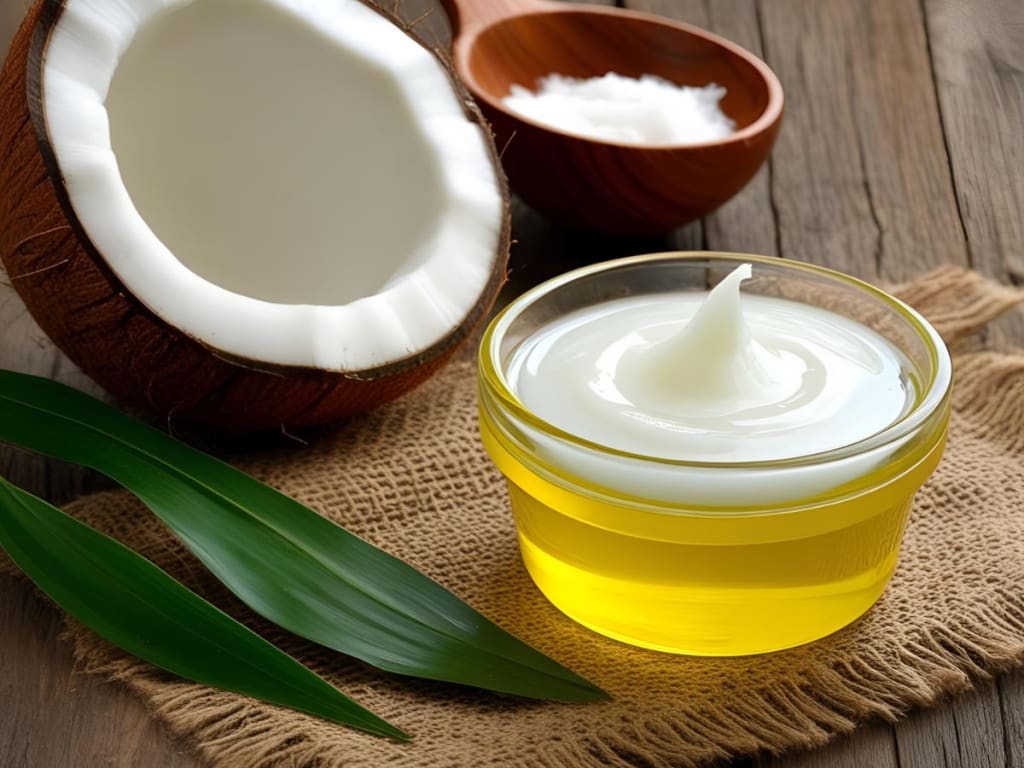
Curly hair, with its unique twists and turns, requires special care to maintain its health, shine, and natural bounce. Over the years, coconut oil has emerged as one of the most popular natural remedies for hair care—and many people with curls swear by its benefits. But is coconut oil truly good for curly hair? In this in-depth article, we’ll explore the science behind coconut oil, its benefits and drawbacks for curly hair, and practical tips for incorporating it into your hair care routine.
Understanding Coconut Oil and Its Composition
Coconut oil is extracted from the meat of mature coconuts and is packed with medium-chain fatty acids (MCFAs) like lauric acid. This fatty acid is known for its antimicrobial and moisturizing properties. The oil also contains vitamins E and K, antioxidants, and other nutrients that can nourish the hair and scalp. Its unique composition allows it to penetrate the hair shaft better than many other oils, which is particularly important for curly hair, known for its tendency to be dry and prone to frizz.
The Benefits of Coconut Oil for Curly Hair
1. Deep Moisturization and Hydration
One of the most significant benefits of coconut oil is its ability to deeply moisturize hair. Curly hair is naturally drier than straight hair because the oil produced by the scalp has a harder time traveling down the twists and turns of the curls. Coconut oil can fill in the gaps along the hair shaft and help seal in moisture, which reduces dryness and frizz. This moisturizing effect is vital for keeping curls soft, manageable, and less prone to breakage.
2. Reduction of Protein Loss
Studies have shown that coconut oil can help reduce protein loss in hair when used as a pre-wash treatment. Since curly hair is more susceptible to damage and protein depletion, using coconut oil can be a great way to fortify the hair. When applied before shampooing, coconut oil penetrates the hair shaft, binding with the hair proteins and reducing the damage caused by routine washing and styling. This protective layer not only maintains hair strength but also enhances overall hair health.
3. Scalp Health and Anti-Fungal Properties
A healthy scalp is essential for healthy hair growth, and coconut oil can be beneficial for scalp care. Its antimicrobial and antifungal properties help combat dandruff and scalp irritations. For those with curly hair—who might experience buildup or scalp dryness—coconut oil can soothe irritation and keep the scalp balanced. The oil’s natural properties make it a gentle yet effective remedy for minor scalp issues.
4. Enhancing Shine and Reducing Frizz
Coconut oil is often celebrated for its ability to give hair a natural shine. By smoothing down the cuticle—the outer protective layer of the hair—coconut oil minimizes frizz and enhances the natural luster of curls. For individuals with curly hair, a little shine can go a long way in making curls appear more vibrant and healthy. Moreover, the oil’s hydrating properties help to lock in moisture, ensuring that your curls remain defined without becoming overly greasy.
How Coconut Oil Works for Curly Hair
The secret behind coconut oil’s effectiveness lies in its molecular structure. Unlike heavier oils, the smaller molecules in coconut oil can easily penetrate the hair shaft. This means that rather than just coating the hair, coconut oil nourishes it from within. For curly hair, which often suffers from cuticle damage and dryness, this deep penetration can lead to improved elasticity, less breakage, and overall healthier hair. Additionally, the natural antioxidants in coconut oil help protect hair from environmental stressors like UV rays and pollution.
How to Use Coconut Oil on Curly Hair
There are several ways to incorporate coconut oil into your curly hair routine, each with its own benefits. Here are some popular methods:
Pre-Wash Treatment
Before you shampoo, apply a small amount of coconut oil to your hair—focusing on the mid-lengths and ends. Leave it on for at least 30 minutes (or even overnight for a deep treatment) to allow the oil to penetrate. This pre-wash treatment can reduce protein loss and prevent excessive drying from shampooing.
Deep Conditioning Treatment
Mix coconut oil with other natural ingredients like honey, avocado, or aloe vera to create a hydrating deep conditioning mask. Apply the mixture to your hair and cover it with a shower cap for an hour before rinsing thoroughly. This combination can boost moisture retention and leave your curls looking defined and bouncy.
Scalp Massage
For those experiencing scalp dryness or mild dandruff, gently massaging a small amount of coconut oil into your scalp can provide relief. The antifungal properties of coconut oil help maintain scalp health, while the massage improves blood circulation—promoting healthier hair growth.
Leave-In Conditioner
A tiny dab of coconut oil can be used as a leave-in conditioner for extra shine and frizz control. However, be cautious with the amount used; too much oil can weigh down your curls or cause buildup, especially if your hair is fine or low-porosity.
Potential Drawbacks and Considerations
While coconut oil can be highly beneficial, it’s important to note that it might not be the perfect solution for every curly-haired individual. Here are some points to consider:
Build-Up and Greasiness
Coconut oil’s rich consistency can sometimes lead to buildup on the hair and scalp. For those with fine or low-porosity hair, this may result in a greasy appearance if too much oil is applied. It’s best to start with a small amount and adjust based on how your hair responds.
Not a One-Size-Fits-All Solution
Curly hair comes in various textures and porosities, and what works for one person might not work for another. Some may find that coconut oil is too heavy or that their hair becomes limp, while others experience the opposite—lush, bouncy curls with minimal frizz. It might require some experimentation to determine the right method and quantity for your unique hair type.
Allergic Reactions
Although coconut oil is generally well-tolerated, some individuals may experience allergic reactions or sensitivities. It’s a good idea to perform a patch test on a small area of skin before incorporating it into your hair care routine regularly.
Expert Opinions and Scientific Backing
Dermatologists and hair care experts often highlight the benefits of coconut oil, particularly for its moisture-retaining and protective properties. For instance, research published in the Journal of Cosmetic Science has shown that coconut oil can reduce hair protein loss—a critical factor for those with curly hair who are prone to breakage. In addition, reputable sources like Healthline and the American Academy of Dermatology provide guidance on how to effectively use coconut oil as part of a broader hair care regimen.
Practical Tips for Best Results
Start Small: If you’re new to coconut oil, begin with a small quantity. You can always add more if your hair responds well.
Mix with Other Ingredients: Consider combining coconut oil with other natural conditioners like argan oil, shea butter, or essential oils for added benefits.
Regular Cleansing: To avoid buildup, ensure that you wash your hair regularly with a gentle shampoo. This will help remove excess oil while retaining the benefits.
Customize to Your Hair Type: Experiment with different application methods—pre-wash, deep conditioning, or as a leave-in treatment—to discover what best suits your curls.
Conclusion
Coconut oil can be a valuable addition to your curly hair care routine, offering deep moisturization, protection against protein loss, and enhanced shine. However, its effectiveness may vary based on individual hair type and usage. The key is to experiment with different methods and quantities until you find what works best for you.
Ultimately, the decision to use coconut oil should be based on your hair’s unique needs and how it responds to the treatment. With its natural properties and a host of benefits backed by scientific research, coconut oil remains a popular choice among those seeking to enhance the beauty and health of their curly locks. Whether you’re looking to reduce frizz, boost hydration, or simply try a new natural remedy, coconut oil could be the game-changer you’ve been searching for.
By staying informed and using data-backed practices, you can ensure that your hair care routine is both effective and tailored to the unique demands of curly hair. Enjoy your journey to healthier, more vibrant curls!
References:
About the Creator
Keep reading
More stories from writers in Humans and other communities.
I Don't Need My Phone... Wait, Is That Actually True?
My parents gave me my first cell phone when I was twelve years old. It wasn't a fancy iPhone or anything, not even close. Just a simple black flip phone for when I needed to call or text them after school.
By Madison "Maddy" Newton3 days ago in Humans
Bartender
On the heels of grief, pain bears down hard. On the heels of death, pain awakens the quiet place between the end of our own life and now. Feeling anything is like seeing a film and in black and white, slow motion, all sound turned off. Just watching. Gritting teeth, awkward smiles and bloody red eyes move around, scanning the others who are feeling something I don't want to feel, but I do. Escapism is all I have ever known. ~
By ROCK aka Andrea Polla (Simmons)5 days ago in Poets




Comments
There are no comments for this story
Be the first to respond and start the conversation.