
"Inside the Hidden World of Islamic Society: The Ancient Secrets Modern Life Desperately Needs"
Discover the Powerful Social Ethics of Islam That Could TransfoDiscover the Forgotten Principles of Islamic Civilization That Could Heal Today’s Broken World rm Today’s World

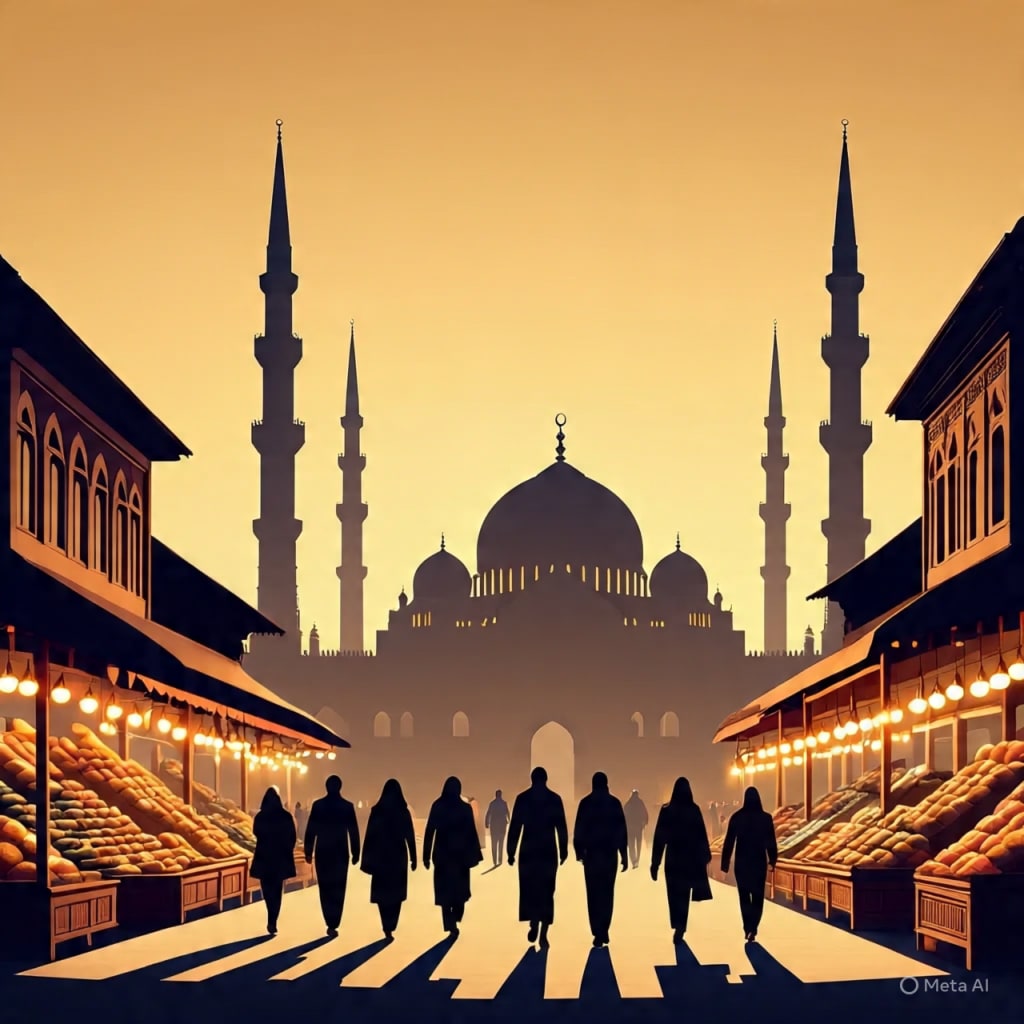
In a time when the world faces social chaos, mental health crises, rising inequality, and environmental destruction, many people are asking: Is there a better way to live? While modern society claims to be advanced, many forget that centuries ago, Islamic society built a civilization admired not just for its power, but for its compassion, justice, and community values. This article takes you inside the forgotten world of Islamic society — a world where human dignity, fairness, and kindness weren’t just ideals, but daily realities. These ancient secrets could offer modern humanity a blueprint for healing, prosperity, and peace.
Let’s uncover the shocking truths about Islamic civilization that the modern world urgently needs to remember.
1. Charity Wasn’t Optional – It Was a Way of Life
In today’s world, charity is often seen as optional, a once-a-year event for tax relief or social image. But in Islamic society, charity was mandatory and constant. The system of Zakat (obligatory charity) ensured that every wealthy person gave 2.5% of their savings annually to the poor. Beyond that, Sadaqah (voluntary charity) encouraged daily acts of generosity, from feeding the hungry to smiling at strangers. This didn’t just reduce poverty — it created a culture of compassion, where no one felt forgotten. Imagine if today’s billionaires and corporations followed this rule. Could hunger and homelessness become history?
2. The Ummah: A Global Brotherhood Without Borders
Today’s world is divided by race, nationality, and social class. But Islamic society taught that every person — regardless of skin color or social status — belonged to one family: the Ummah. Whether Arab, African, Persian, or European, Muslims saw themselves as brothers and sisters. A king and a laborer could pray side by side without hierarchy. The Prophet Muhammad (PBUH) said, “No Arab is superior to a non-Arab, and no white is superior to a black.” Imagine if modern society followed this simple but powerful rule. Could racism and xenophobia finally end?
3. Justice Was Non-Negotiable — Even Against Yourself
Corruption and injustice plague modern systems. But in Islamic society, justice was sacred. The Quran commands: “Stand firmly for justice, even if it is against yourselves, your parents, or your relatives.” (Quran 4:135) Caliphs and rulers were judged like common citizens. The Prophet himself forgave enemies but never allowed injustice, even against non-Muslims. What if today’s world leaders, judges, and corporations lived by this rule? Could trust in governments and systems be restored?
4. Women Held Power Long Before the Modern Era
Contrary to popular misconceptions, women in Islamic society held power, respect, and independence centuries before the modern feminist movement.
Khadijah (RA): A successful businesswoman and the first Muslim.
Aisha (RA): A scholar and military advisor.
Fatima al-Fihri: Founder of the world’s first university in Morocco.
Women could own property, initiate divorce, and participate in trade. Islam elevated women’s status in a world where they were previously oppressed.
Could reviving these historical truths help empower women in societies that still deny them their rights?
5. Mental Health Was Protected Before Psychology Existed
Long before modern psychology, Islamic teachings protected mental health. The Prophet Muhammad (PBUH) would console those feeling grief or anxiety. Mosques served as safe spaces for emotional support. Regular prayer, charity, and remembrance of God weren’t just acts of worship — they were forms of mental healing. In a world battling depression and anxiety, could these spiritual practices offer a path to inner peace?
6. The Earth Was Treated As a Sacred Trust
Islamic society viewed humans as guardians of the earth, not its owners. Wasting water was forbidden. Harming animals was sinful. Planting trees was considered an act of worship. At a time when climate change threatens our future, these eco-friendly teachings could offer real solutions. Imagine global industries being held accountable for pollution based on spiritual responsibility.
7. Forgiveness Was More Powerful Than Revenge
In a world obsessed with revenge and grudges, Islamic society promoted forgiveness as strength. When the Prophet (PBUH) re-entered Makkah after years of persecution, he forgave his enemies instead of punishing them. Families were encouraged to resolve conflicts with mercy, not hostility. What if modern societies prioritized healing over punishment? Could families, communities, and even nations find peace?
8. Seeking Knowledge Was a Sacred Duty
While modern societies focus on entertainment, Islamic society treated education as an obligation for every man and woman. The pursuit of knowledge — religious and worldly — was considered a form of worship. Libraries flourished, universities were established, and Muslim scholars advanced science, medicine, and philosophy during Europe’s Dark Ages. Reviving this passion for learning could help modern youth escape digital addiction and find purpose in real growth.
9. The Balance Between Body, Mind, and Soul
Unlike today’s society, which often treats body, mind, and soul as separate, Islamic society emphasized balance between physical health, mental clarity, and spiritual peace. Physical health through clean eating, hygiene, and exercise (the Prophet encouraged walking and sports). Mental health through community support and purposeful living. Spiritual health through prayer, gratitude, and connection with the Creator. Isn’t this the holistic lifestyle we seek today in wellness trends?
Final Thought
In a world searching for meaning, peace, and unity, perhaps the answers aren’t new innovations — but ancient wisdom waiting to be rediscovered.
Islamic society once changed the world. Maybe it can inspire change again.
Share this message. Let the world remember the light that once illuminated civilizations.
About the Creator
Yousaf Khan
Uncovering the untold. I share deep-dive articles about hidden truths, overlooked facts, and secret sides of society, world affairs,and famous personalities . Join me in exploring what lies beneath the surface.
Keep reading
More stories from Yousaf Khan and writers in Humans and other communities.
"The Last Phone Call Before Death: Real Stories That Will Haunt Your Soul"
Death is the greatest mystery of life. But what if, just moments before someone’s final breath, they reached out for one last conversation? What if their last words were captured in a voicemail or whispered during a phone call that neither caller nor receiver knew would be their final goodbye?
By Yousaf Khan6 months ago in Humans
How One Neurology Book Changed the Way I Understand the Human Mind
Reading “The Man Who Mistook His Wife for a Hat” Made Me Question What It Means to Be a Person I picked up The Man Who Mistook His Wife for a Hat thinking it would just be one of those clever science books. You know, the kind that explains how the brain works and throws in a few strange cases. I wasn’t really prepared for how weirdly emotional it would feel. Not in a dramatic way. More like the kind of feeling that sits with you quietly while you’re reading.
By Rosalina Jane2 days ago in Humans



Comments
There are no comments for this story
Be the first to respond and start the conversation.