
Influencer, carefull~
Why Some Influencers Lie for Money


In today’s digital age, influencers are everywhere. They set trends, shape opinions, and sway purchasing decisions with a single post. While some strive for authenticity, others prioritize profit over truth, misleading their audience for financial gain. The polished Instagram posts, flashy YouTube content, and carefully curated TikTok videos often create an illusion that blinds followers to a harsh reality—many influencers aren’t as genuine as they seem.
The Business of Influence
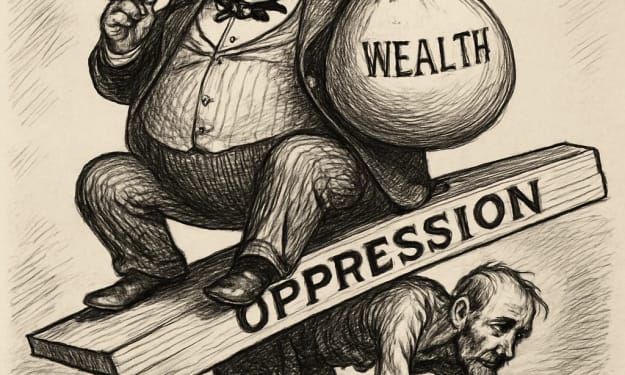
At its core, influencer marketing is a business. Companies pay influencers to promote products, brands, or lifestyles because they know people trust them more than traditional advertisements. Followers feel a personal connection with influencers, believing they receive honest recommendations rather than scripted promotions. However, financial incentives often cloud integrity. Many influencers endorse products they’ve never used or exaggerate their effectiveness just to maintain sponsorship deals.
For example, an influencer might rave about a skincare product, claiming it transformed their skin, when in reality, they’ve never used it. Their paycheck depends on engagement—the more people buy based on their recommendation, the more lucrative their brand partnerships become. This cycle encourages dishonesty, making deception profitable.
The Manufactured Lifestyle
Success on social media often means crafting an aspirational lifestyle—luxury cars, exotic vacations, designer clothes, and seemingly effortless wealth. But here’s the truth: much of it is staged. Influencers frequently rent luxury items to create an illusion of affluence, misleading their audience into believing that financial success is easily attainable.
A prime example is the trend of influencers posing in private jets, creating a façade of millionaire status. Many of these jets are stationary rentals used specifically for photo shoots. Followers see these images and aspire to a lifestyle that doesn’t actually exist, driving engagement and keeping influencers relevant, even if their reality is far less glamorous.
The Deceptive Advice
Beyond exaggerated lifestyles, influencers also spread misleading advice. This is particularly dangerous in industries like health, finance, and self-improvement. Fitness influencers promote questionable supplements, financial influencers push high-risk investments, and wellness gurus recommend unverified treatments—all without any accountability.
For instance, some influencers advocate miracle weight-loss pills without scientific backing, leading followers to waste money or, worse, harm their health. Others push cryptocurrency schemes promising guaranteed profits, only for unsuspecting investors to lose their life savings. Because influencers rely on trust and relatability, their followers often fail to recognize the deception until it’s too late.
The Impact on Consumers
When influencers prioritize financial gain over truth, the consequences extend beyond misleading advertisements. Consumers feel pressured to spend money on products that don’t work, chasing unrealistic lifestyles and financial goals based on false promises.
Additionally, constant exposure to these manufactured personas fosters insecurity. People compare their everyday struggles to the seemingly perfect lives of influencers, unaware of the deception behind the scenes. This can lead to dissatisfaction, self-doubt, and even financial strain, all fueled by a digital world designed to manipulate perception.
The Need for Transparency
Not all influencers lie, and many genuinely aim to create honest content. However, the industry needs stronger ethical standards. Audiences should question endorsements, demand transparency, and recognize the difference between genuine influence and performative marketing.
Meanwhile, social media platforms should hold influencers accountable, ensuring that promotions are clearly labeled and based on authentic experiences. Some regulations already exist, such as requiring influencers to disclose paid partnerships, but these measures are often ignored or inadequately enforced.
At its best, influencer culture fosters connection, creativity, and inspiration. But when money dictates authenticity, it turns influence into manipulation. As consumers, staying informed and critical is the key to navigating the digital world without falling prey to deception… don’t take everything at face value
About the Creator
Edge Alexander
Captivating wordsmith, crafting transformative narratives that spark curiosity, ignite conversation, and leave an indelible mark.
https://gogetfunding.com/to-make-a-difference/
Keep reading
More stories from Edge Alexander and writers in Humans and other communities.
I wanted to title this something different, but worried that my chosen title might cause problems entering the United States in the future so this is the new title. It's the greatest title. No one has ever written a title better than this. (All titles unrelated to content).
Let me be honest. I am finding this difficult. Now, I like a challenge, a stretch, a bit of an obstacle course. “Write about the decline of the British Empire in the form of a narrative poem in which your protagonist is an artichoke” I read, and flex my fingers. “Write a haiku to evoke the sensation of sibilance using only the first half of the alphabet.” “Well”, I think to myself, “this should be fun.” But “write about a system that isn’t working”? A system that isn’t working? Now? In 2026? ONE system? My favourite system that isn’t working? The sexiest system that isn’t working? The one giving me the most angst day to day? The one giving me the most existential dread? I am, as I say, finding this difficult. I will own that I have contemplated writing a thousand words on why the steady “all on” setting on my fairy lights is the EIGHTH of seven options which must be sequentially activated to get there, because that is a system that some fool came up with and it definitely doesn’t work, and now who is paying the price, eh? But how can I write about my fairy lights when…. When…. When….
By Hannah Moore5 days ago in Humans
The Friction of Order
They promise that if you follow the rules, the outcome will follow too. Study, work, pay, vote, obey. In return: stability. Healthcare when you are sick. Education when you are young. Justice when you are wronged. Safety when you are afraid.
By Dagmar Goeschick5 days ago in Humans
REEEEEEEEE!
I'm on a low road right now. There are a literal million things to do and not one of them worth my time. I would rather sit in place and burn but the orbit takes me on its inevitable route 'round the center; and I a center in my own right, around which others orbit, and so on and so forth, ad infinitum, ad nauseum.
By C. Rommial Butlerabout 23 hours ago in Poets



Comments
There are no comments for this story
Be the first to respond and start the conversation.