
ICD-10 Code for Hypokalemia: Understanding the Code for Better Medical Billing
Why is the ICD 10 Code for Hypokalemia Important?

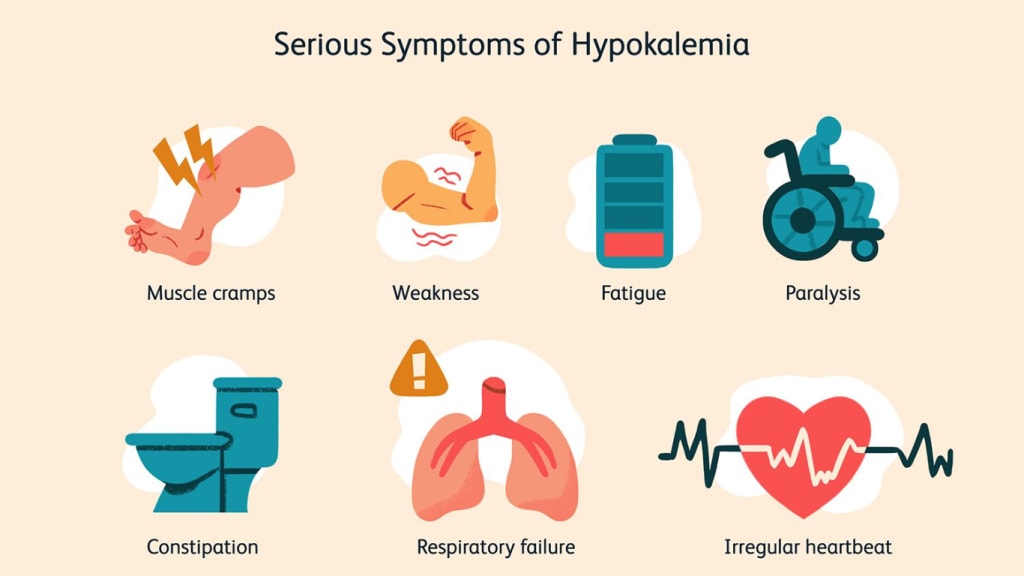
Hypokalemia is a condition where a person’s potassium levels in the blood are too low. Potassium is essential for the proper function of muscles, nerves, and the heart. When potassium levels fall below normal, it can lead to symptoms like muscle weakness, fatigue, cramps, and even serious heart issues, such as arrhythmias. For medical billing, it’s crucial to use the right code for hypokalemia to ensure proper reimbursement and avoid delays. The ICD-10 code for hypokalemia is E87.6.
What is the ICD-10 Code for Hypokalemia?
The ICD-10 code for hypokalemia is E87.6. This code should be used when a person has low potassium levels in the blood, generally below 3.5 mEq/L. Hypokalemia can be caused by various factors, including medications, kidney problems, severe vomiting or diarrhea, or not consuming enough potassium-rich foods. It’s important to identify and document the underlying cause when possible, as this can affect treatment decisions and billing codes.
Using the correct ICD-10 code for hypokalemia ensures that insurance companies understand the condition being treated. This helps prevent mistakes in billing and ensures that healthcare providers get paid on time and correctly.
Why Correct Coding is Crucial
Using the correct ICD-10 code for hypokalemia is important for several reasons:
Faster Claims Processing: When the correct code is used, insurance companies can process claims quickly, which means healthcare providers get paid faster.
Avoiding Claim Rejections: Incorrect codes can lead to claim rejections, which can delay payments and create additional work to correct the claim.
Accurate Reimbursement: Insurance companies rely on accurate codes to determine the amount to reimburse. If the wrong code is used, the provider might not be paid the correct amount for the services provided.
Preventing Audits: Accurate coding can help healthcare providers avoid audits or compliance issues that might arise from submitting incorrect claims.
How to Bill for Hypokalemia
To bill for hypokalemia, the following information should be included in the claim:
ICD-10 Code: The correct ICD-10 code for hypokalemia is E87.6. This should always be used when the patient has low potassium levels.
Additional Codes: In some cases, other codes might be necessary to explain why the patient has hypokalemia. For example, if the low potassium is due to kidney disease, a separate code for the kidney condition should be included. This ensures that the full clinical picture is captured.
Medical Documentation: The healthcare provider should document the potassium levels, symptoms, and any treatments given. For example, if the patient received potassium supplements or was hospitalized for severe hypokalemia, this should be clearly noted. Without proper documentation, claims could be denied.
If you need more information on how to properly use the hypokalemia ICD-10 code or have questions about medical billing in general, feel free to visit Hypokalemia ICD-10 Code.
How Insurance Companies Handle Hypokalemia Claims
When a healthcare provider submits a claim for hypokalemia, the insurance company reviews the claim to decide how much to reimburse. If the hypokalemia is well-documented and the correct ICD-10 code is used, the claim is more likely to be approved quickly and for the correct amount.
However, if the documentation is unclear or the code is incorrect, the insurance company may deny the claim or ask for more information, which could delay payment. The insurer will also assess the medical necessity of the treatment. For example, if the patient’s potassium levels were only slightly low, the treatment might be different than for a patient with severe hypokalemia. This can affect reimbursement rates.
Common Billing Mistakes to Avoid
Here are some common mistakes to watch out for when billing for hypokalemia:
Incorrect Diagnosis Codes: Make sure the potassium levels match the diagnosis. For example, if the potassium level is normal, E87.6 should not be used.
Missing Additional Codes: If there is an underlying condition that caused the hypokalemia, make sure to include the relevant codes for that condition. For example, if the low potassium is due to kidney disease or medications, the appropriate code for that condition should be added.
Poor Documentation: If the doctor’s notes are not detailed enough to show the severity of the hypokalemia or the treatments provided, the claim may be denied. Always ensure that the medical record clearly shows potassium levels, symptoms, and treatment.
Best Practices for Medical Billing and Coding
To ensure accurate billing and avoid common mistakes, healthcare providers should follow these best practices:
Stay Updated: Medical coding is updated regularly, so it’s essential to keep up with any changes. This helps prevent errors in coding and billing.
Clear and Detailed Documentation: Always document the patient’s potassium levels, symptoms, and any treatments provided for hypokalemia. This helps insurance companies understand the severity of the condition and the treatments necessary.
Use Reliable Billing Software: Modern billing software can help check for errors, suggest appropriate codes, and ensure compliance with industry standards.
Train Your Team: Make sure that all medical billing staff are well-trained in using ICD-10 codes, including those for hypokalemia. This ensures consistency and reduces errors.
Consider Professional Help: If you’re unsure about coding or billing for hypokalemia or any other condition, consider hiring a professional medical billing service. They can help ensure accuracy and efficiency in the process.
Conclusion
Using the correct ICD-10 code for hypokalemia (E87.6) is essential for smooth medical billing. Proper coding helps healthcare providers get paid faster, avoid claim rejections, and prevent unnecessary audits. By ensuring the correct documentation and additional codes are included, providers can make the billing process more efficient and reduce the chances of errors.
Let us know if you need assistance with medical billing or coding—we’re happy to help!
About the Creator
Enfinity Medical Billing
Enfinity Medical Billing is a healthcare revenue cycle management company that helps organizations maximize revenue and streamline operations through medical billing, transcription, credentialing, auditing, and consultation services.
Keep reading
More stories from Enfinity Medical Billing and writers in Humans and other communities.
Decoding CPT Code 99214 for Healthcare Professionals
In the world of medical billing and coding, precision matters. Each patient interaction must be accurately documented and coded for proper reimbursement. One code that plays a significant role in this process is CPT Code 99214. This code, often used for office visits with established patients, is essential for healthcare providers who aim to streamline their billing processes and ensure compliance. But what exactly is CPT Code 99214, and how can you use it effectively? In this guide, we’ll dive into the specifics.
By Enfinity Medical Billingabout a year ago in Humans
Whiskey At Dusk
Guess the whiskey was more important to you in the end, wasn’t it? It was more than the well-being of your friends; more vital than showing up to the places you promised you would and could come to; more critical of a matter than fulfilling your damn responsibilities and getting the press off your back.
By Snarky Lisa6 days ago in Humans



Comments
There are no comments for this story
Be the first to respond and start the conversation.