
I Was There for Everyone—But No One Was There for Me
I gave and gave, until I had nothing left. And still, they wanted more.
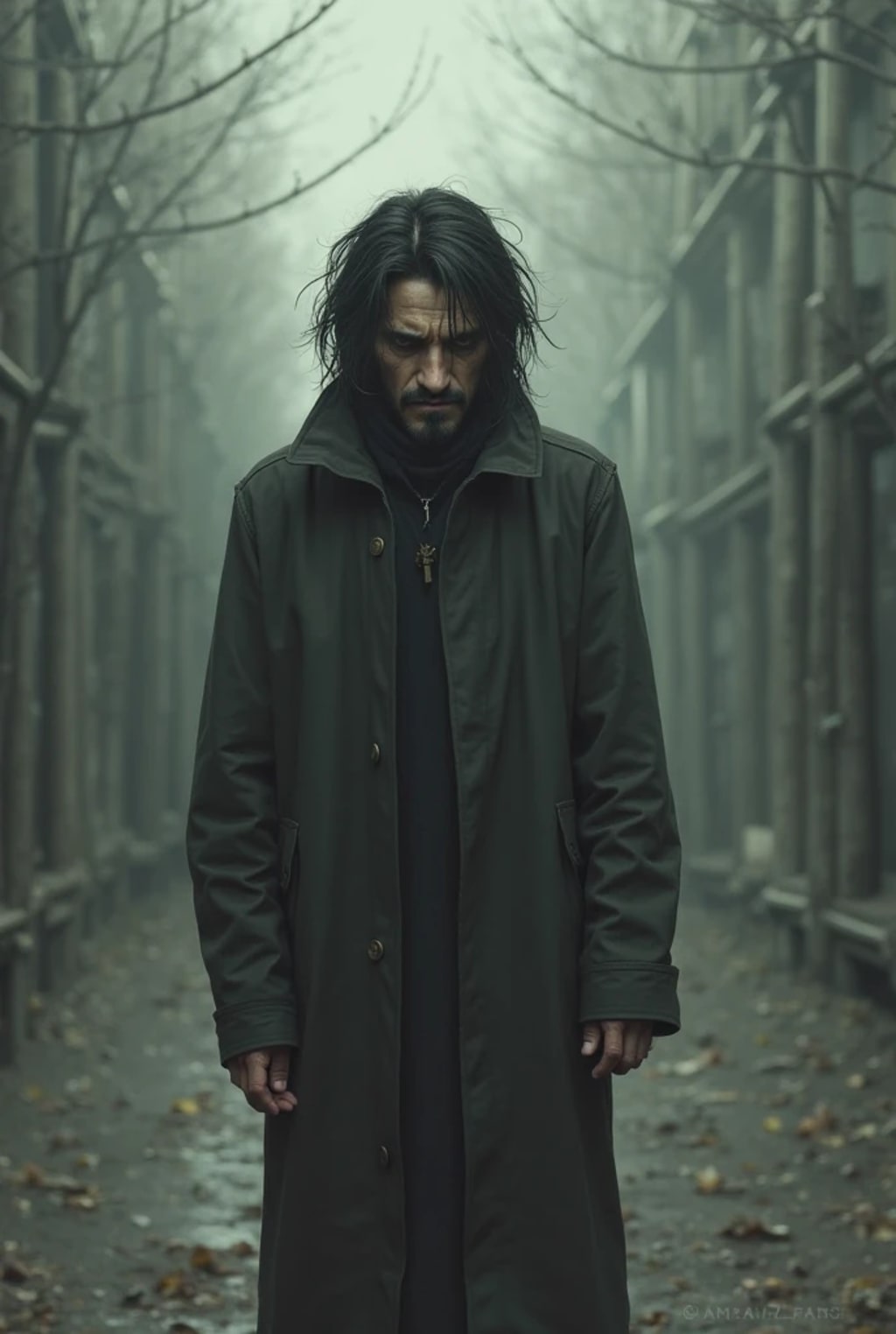
I’ve always been the “go-to” person.
You know the type. The friend who picks up the phone on the first ring. The one who remembers your mom’s surgery, your dog’s birthday, your favorite coffee order. I was the fixer, the supporter, the listener.
I poured myself into other people like I had an endless supply.
But no one noticed when I was empty.
At first, it felt good to be needed.
It gave me purpose.
Being useful made me feel loved.
But somewhere along the way, being “the strong one” turned into a trap.
I had created this image of myself as someone who could handle anything—and so no one thought to ask if I needed help.
Because “I was fine,” right?
Except I wasn’t.
I remember the day it really hit me.
I had a complete breakdown in my car after work.
I sat there for over an hour, staring at the steering wheel, tears falling uncontrollably, my chest tight from anxiety. It was one of the worst days of my life.
I messaged three different people.
Just simple things.
“Hey, you free to talk?”
“Having a rough day.”
“Could really use a friend right now.”
One left me on read.
One replied three hours later with, “Sorry, busy today. Hope you’re okay!”
The last one never replied at all.
And in that silence, I realized something:
I was there for everyone—but no one was there for me.
The people I’d stayed up with during their breakdowns, the ones I’d driven across town for at midnight, the ones I had defended, loved, forgiven, and supported—they weren’t there when I was falling apart.
It wasn’t hate.
It wasn’t betrayal.
It was absence.
And absence hurts more than anger.
Because it’s quiet.
Because it makes you question your worth.
I didn’t want pity.
I didn’t need someone to fix me.
I just needed someone to notice.
To ask how I was doing without me having to collapse first.
I kept waiting.
Kept hoping someone would say, “Hey, you don’t seem okay lately.”
But no one did.
And eventually, I stopped hoping.
I stopped asking.
I started saying "I'm fine" and meaning "I'm exhausted."
I started laughing in group chats while crying alone at night.
I started showing up with a smile and leaving with a headache.
Because what else was I supposed to do?
Keep chasing care from people who only wanted my strength?
Eventually, I reached a point where I couldn’t fake it anymore.
So I started saying no.
No to late-night calls when I was drained.
No to being the emotional sponge for people who never squeezed anything back.
And guess what?
Some of them left.
Some got offended.
Some called me distant.
Some said I’d “changed.”
But the truth is, I had.
I stopped measuring my value by how much I could give.
I stopped setting myself on fire to keep others warm.
And in that space, I started to heal.
I realized that love isn’t about constantly proving yourself.
It’s not about how much pain you can endure quietly for the sake of keeping everyone else comfortable.
Real love is reciprocal.
It checks in.
It notices.
It says, “You always carry me—let me carry you this time.”
I didn’t lose friends when I stopped overextending.
I lost people who only knew how to take.
And I’m okay with that now.
Because I’ve learned to pour into myself first.
To protect my peace.
To be the kind of friend to myself that I was to everyone else.
I still care deeply.
I still love hard.
But now, I make sure that love flows both ways.
I’ve learned that being “the strong one” doesn’t mean never breaking.
It means having the strength to walk away from one-sided relationships.
It means knowing your worth even when others don’t reflect it back.
So if you’re like me—if you’ve given your heart to people who never turned around to see if you were okay—please hear this:
You deserve more.
More than silence.
More than “Sorry, I was busy.”
More than being someone’s convenience.
You deserve presence.
You deserve check-ins.
You deserve the kind of love you so effortlessly give.
And I hope, one day soon, you find that.
About the Creator
Keep reading
More stories from Bondhu Digital Sign and writers in Humans and other communities.
I Was Always the Funny One—Until I Couldn't Laugh Anymore
I’ve always been the funny one. The joker. The entertainer. The “comic relief” in every friend group. The one who could take a bad day, flip it inside out, and make people laugh about it until their stomachs hurt.
By Bondhu Digital Sign9 months ago in Humans
Golden Globes 2026 Reflect a Changing Hollywood Awards Night
Award shows often feel distant from everyday life, but every so often, one night captures a deeper mood. The Golden Globes 2026 did exactly that. It was not just about trophies or fashion. It was about where Hollywood stands right now. Audiences are changing. Stories are changing. Expectations are changing too. This ceremony felt quieter in some ways, yet heavier with meaning. There was pride, discomfort, nostalgia, and uncertainty all sharing the same room. The Golden Globes have always been a mirror of the industry, and in 2026, that mirror showed both growth and lingering cracks. To understand why this night mattered, we need to look beyond the red carpet and into what the evening truly revealed.
By Muqadas khan5 days ago in Humans



Comments
There are no comments for this story
Be the first to respond and start the conversation.