
I Knew Better. I Just Didn’t Act Like It.
What happens when you ignore your own instincts long enough.

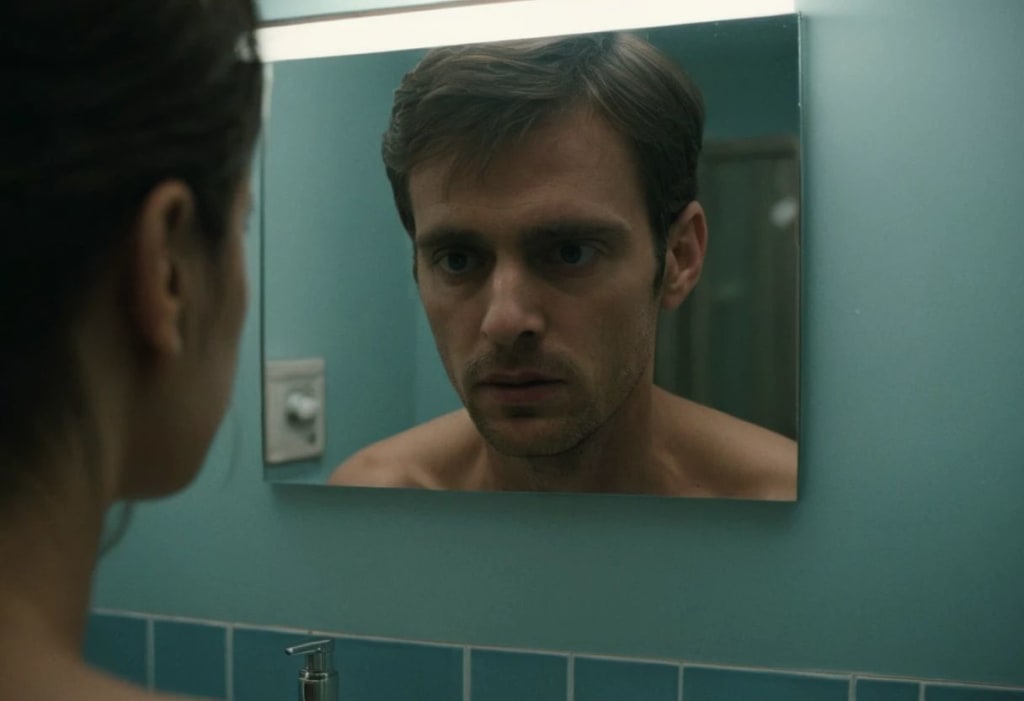
I knew better early on. That’s the part that still bothers me. There were signs—small, quiet ones—but they were consistent. The kind you don’t notice if you’re waiting for something dramatic enough to justify leaving. Nothing exploded. Nothing collapsed. So I stayed.
I told myself I was being mature. Patient. Rational. All the words that make avoidance sound like wisdom.
The truth is, I recognized the discomfort immediately. My body clocked it before my brain did. That tightening feeling. That subtle resistance. The sense that something wasn’t quite right, but not wrong enough to name. I noticed it and then promptly explained it away.
Everyone doubts things at first.
You’re overreacting.
Give it time.
Time is dangerous when it’s used as a sedative.
I kept waiting for clarity to arrive fully formed, as if certainty is something you earn by enduring long enough. Instead, what arrived was familiarity. Familiarity is deceptive. It feels like understanding, but it’s really just repetition dulling your instincts.
I adjusted. That’s what I tell people now. It sounds intentional. What I mean is that I compromised in small ways that didn’t feel like betrayals at the time. I let things slide. I accepted explanations that didn’t sit right. I learned how to live with a low-level sense of wrongness and called it normal.
That’s how self-betrayal works. It doesn’t announce itself. It asks for tiny permissions.
Just this once.
It’s not that big a deal.
You can live with this.
Each yes made the next one easier.
I stopped trusting my initial reactions because they were inconvenient. They asked for disruption. They suggested change. And change would’ve meant admitting that I’d invested time, effort, and identity into something that wasn’t aligned. That felt like failure, so I reframed it as commitment.
Commitment sounds noble. Even when it’s misplaced.
What I didn’t realize was that every time I ignored my instincts, I weakened them. They didn’t disappear; they got quieter. Not because they were wrong, but because I kept proving I wouldn’t listen. Eventually, they stopped interrupting. That silence felt like peace.
It wasn’t.
It was resignation.
I became skilled at explaining my choices in ways that made sense to other people. That should’ve been a warning. If a decision requires constant justification, it’s probably not the right one. But I liked sounding reasonable. Reasonable people don’t make impulsive changes. Reasonable people endure.
So I endured.
I told myself the discomfort was the price of stability. That no path feels right all the time. That this was just what adulthood looked like. I confused emotional numbness with maturity and consistency with alignment.
The cost didn’t show up all at once. It leaked. Energy drained slowly. Motivation dulled. Curiosity narrowed. I stopped asking certain questions because I already knew where they’d lead, and I didn’t want to go there.
The worst part wasn’t the dissatisfaction. It was the erosion of self-trust. Once you’ve ignored yourself enough times, you start to question whether you were ever reliable in the first place. You hesitate even when something feels clearly wrong. You wait for external validation to override what you already know.
That’s when you’re really stuck.
Looking back, I don’t feel angry at myself so much as disappointed. I had information early. I just didn’t like what it implied. Acting on it would’ve required courage I wasn’t ready to spend. So I paid in smaller denominations instead—daily compromises, lowered expectations, quiet resentment.
Interest compounds.
I don’t think the lesson is to always act immediately or dramatically. That’s another oversimplification. The real lesson is subtler and harder: notice when you’re explaining something away instead of addressing it. Notice when your instincts speak and you rush to correct them. That reflex is worth interrogating.
I knew better. I just didn’t act like it.
And the most uncomfortable part of that realization isn’t regret—it’s responsibility. Because now that I see the pattern, I can’t unsee it. I can’t pretend I don’t recognize the signs anymore.
The question isn’t whether I’ll ever ignore myself again. I probably will.
The question is how much it’ll cost me next time.
About the Creator
Mind Leaks
This is where the quiet panic and restless thoughts get loud. Nothing gets cleaned up, nothing gets sugar-coated—just the raw, unfiltered mess of a mind that won’t shut up. Enter if you want honesty that stings more than it soothes.
Keep reading
More stories from Mind Leaks and writers in Humans and other communities.
I’m Performing a Life I Don’t Remember Choosing
Somewhere along the way, I started playing a role and forgot when auditions ended. The lines come easily now. I know what to say, how to say it, when to smile, when to nod. From the outside, it probably looks like confidence. From the inside, it feels like muscle memory doing all the work.
By Mind Leaksabout 19 hours ago in Humans
Whiskey At Dusk
Guess the whiskey was more important to you in the end, wasn’t it? It was more than the well-being of your friends; more vital than showing up to the places you promised you would and could come to; more critical of a matter than fulfilling your damn responsibilities and getting the press off your back.
By Snarky Lisa5 days ago in Humans
Nicki Minaj and the Loneliness Behind the Loudest Voice
Nicki Minaj has never been easy to ignore. Her voice cuts through rooms, charts, and conversations with sharp clarity. Yet behind the colors, accents, and confidence lies a story that feels far more fragile than people expect. Fame did not arrive gently, and it did not remove insecurity overnight. For many listeners, Nicki Minaj represents strength and survival. For others, she remains misunderstood, reduced to surface-level controversy. This article looks beyond headlines and personas to explore how Nicki Minaj built her career, protected her identity, and carried emotional weight in an industry that rarely allows softness. Her story is not just about music. It is about endurance, self-definition, and the cost of being constantly seen but rarely understood.
By Muqadas khanabout 11 hours ago in Humans




Comments
There are no comments for this story
Be the first to respond and start the conversation.