
Human Rights and Social Justice Issues in Pakistan
Access to Justice and Rule of Law: Ensuring Fairness and Equality for All
Introduction:
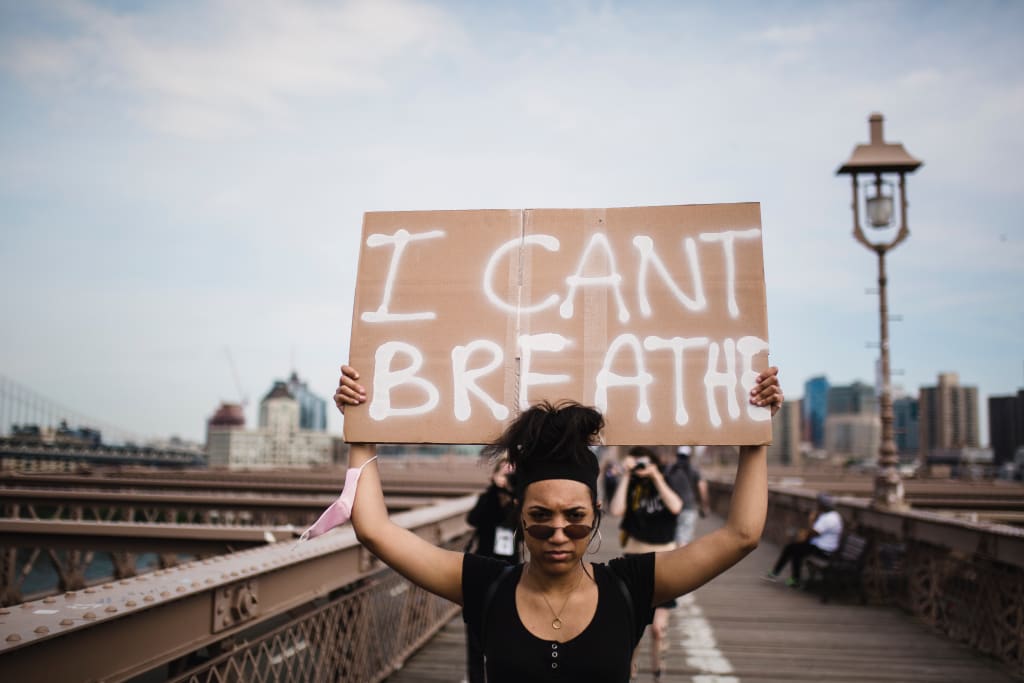
Human rights and social justice are fundamental principles that promote equality, dignity, and fairness for all individuals. In Pakistan, like many other countries, there are ongoing challenges related to human rights and social justice. This essay aims to shed light on some key issues in Pakistan's context and explore the importance of addressing these issues to create a more inclusive and just society.
I. Gender Inequality and Women's Rights:
Gender inequality remains a significant concern in Pakistan. Women face discrimination in various aspects of life, including access to education, employment opportunities, and participation in decision-making processes. Violence against women, including honor killings and domestic abuse, is prevalent. Empowering women, ensuring their safety, and promoting gender equality are crucial steps towards achieving social justice and upholding human rights in Pakistan.
II. Minority Rights:
Pakistan is a diverse country with various ethnic, religious, and linguistic minorities. Unfortunately, these communities often face discrimination, prejudice, and marginalization. Minority rights violations include targeted violence, forced conversions, and restrictions on religious freedom. Promoting tolerance, religious harmony, and inclusivity are essential for protecting the rights and dignity of all individuals, regardless of their religious or ethnic background.
III. Freedom of Expression and Media Freedom:
The freedom of expression and media freedom are vital components of a democratic society. In Pakistan, concerns have been raised about restrictions on the freedom of speech, limitations on media independence, and incidents of harassment and violence against journalists. Upholding and protecting these rights are crucial for fostering a vibrant democracy and ensuring transparency and accountability in the country.
IV. Access to Justice and Rule of Law:
Access to justice is a fundamental right, but many individuals in Pakistan face barriers in obtaining justice, especially those from marginalized and disadvantaged backgrounds. The legal system's inefficiencies, corruption, and lack of resources contribute to delayed justice and unequal treatment. Promoting a fair and efficient judiciary, improving legal aid services, and strengthening the rule of law are essential for ensuring social justice for all individuals in Pakistan.
V. Child Rights and Child Labor:
Child labor remains a pressing issue in Pakistan, with a significant number of children engaged in hazardous and exploitative work. This violates their rights to education, health, and protection. Addressing child labor requires a comprehensive approach that involves enforcing laws, providing quality education, and creating social support systems to prevent child exploitation and ensure a safe and nurturing environment for children.VI. Human Rights Defenders and Civil Society:
Human rights defenders and civil society organizations play a vital role in advocating for human rights and social justice in Pakistan. However, they often face challenges such as harassment, intimidation, and restrictions on their activities. Recognizing the important contributions of these individuals and organizations, it is essential to create an enabling environment that protects their rights and allows them to operate freely. Supporting and amplifying their voices can lead to meaningful change and advancements in human rights and social justice in the country.
VII. Access to Basic Services:
Access to basic services such as education, healthcare, and clean water is a fundamental human right. Unfortunately, in Pakistan, many individuals, particularly those in rural and marginalized communities, struggle to access these services. Addressing the disparities in service provision and investing in infrastructure, particularly in remote areas, is crucial for ensuring equitable access to basic services. This will contribute to social justice by providing equal opportunities for all individuals to lead healthy, fulfilling lives.
VIII. Forced Displacement and Refugee Rights:
Pakistan has been hosting a significant number of Afghan refugees for several decades. Providing support and protection for refugees, as well as addressing the challenges associated with their integration into society, is an important human rights and social justice issue. Ensuring their rights to education, healthcare, and livelihood opportunities will not only benefit refugees but also contribute to the overall welfare and inclusivity of the communities they reside in.
IX. LGBTQ+ Rights:
The LGBTQ+ community in Pakistan faces discrimination, social stigma, and legal challenges. Same-sex relationships are criminalized, which denies individuals their basic rights to freedom, equality, and dignity. Recognizing and respecting the rights of LGBTQ+ individuals, repealing discriminatory laws, and promoting inclusivity and acceptance are vital steps towards achieving social justice and upholding human rights for all in Pakistan.
X. Poverty and Socioeconomic Inequality:
Socioeconomic inequality and poverty continue to be pressing issues in Pakistan, with a significant portion of the population living below the poverty line. Addressing these challenges requires comprehensive social and economic policies that focus on equitable distribution of resources, access to education and healthcare, and job creation. By reducing poverty and narrowing the wealth gap, Pakistan can create a more just society where all individuals have equal opportunities for a better life.
Human rights and social justice issues in Pakistan encompass a wide range of challenges that require sustained efforts and commitment. By addressing gender inequality, minority rights, freedom of expression, access to justice, child rights, and other pressing concerns, Pakistan can create a more inclusive and just society. It is through collaborative actions, policy reforms, and respect for human rights that Pakistan can strive towards a future where every individual's rights are protected, and social justice is upheld for the betterment of all its citizens.
Conclusion:
Human rights and social justice are integral to building a fair and inclusive society. While Pakistan faces challenges in these areas, recognizing and addressing these issues is crucial for progress and development. It requires collaborative efforts from the government, civil society, and individuals to promote gender equality, protect minority rights, uphold freedom of expression, ensure access to justice, and safeguard child rights. By working towards these goals, Pakistan can create a society where every individual's rights are respected, and social justice is upheld for the betterment of all its citizens.
About the Creator
AIRAF FATIMA
I used to write in different platforms, I can write for your assignments and can help you in essays in different languages. I can write in different languages like English, Sindhi, Urdu, Germany so on.
Please read my articles.
Keep reading
More stories from AIRAF FATIMA and writers in Humans and other communities.
Depression in the Elderly: Challenges and Strategies for Support
Depression is a common mental health condition that can affect individuals of all ages, including the elderly population. However, depression in older adults often goes unrecognized and untreated, leading to significant challenges in their overall well-being and quality of life. This essay explores the unique challenges faced by elderly individuals dealing with depression and highlights strategies for providing effective support and intervention.
By AIRAF FATIMA 3 years ago in Families
Why Didn't Anyone Tell Us
Men, move along. This is not for you. This is for the women. I was forty-five when I began menopause. It is pretty young for that to be going on in a woman’s life, but I had undiagnosed PCOS, my entire life. Thank you to all the gynecologists I had seen my entire life. That in itself should encourage women to keep seeking second opinions, especially when you are not getting correct answers or any at all.
By Alexandra Grant2 days ago in Humans
10 Brutal Truths About the Twin Flame Journey No One Talks About.
The twin flame concept has exploded in popularity, promising an epic, soul-shattering love that transcends ordinary relationships. It's sold as the ultimate spiritual partnership—one soul split into two, destined to reunite in profound harmony. Yet beneath the glossy narratives of destiny, unconditional love, and "sacred union" lies a far harsher reality. The twin flame journey is often excruciating, disorienting, and far from the fairy-tale romance many expect. Here are 10 brutal truths rarely discussed openly in spiritual communities, drawn from countless personal accounts, expert critiques, and lived experiences.
By Wilson Igbasi5 days ago in Humans
Worth the Wait: Puerto Viejo, Costa Rica
Beach bumming in a small Caribbean beach town sounded like a perfect way to end our 6-month trip through Mexico and Central America. Or so we thought. The foul, fishy stench of rotten seaweed hit our nostrils as we stepped from the cramped bus and looked out at a rather depressing, empty, and underwhelming black sand beach. It was pouring with rain, and we had to quickly fish out our ponchos. We thought, this couldn’t be it, could it?
By Sh*t Happens - Lost Girl Travel6 days ago in Wander



Comments
There are no comments for this story
Be the first to respond and start the conversation.