
HUMAN IMPACT ON BIODIVERSITY
Exploring the Effects of Human Activities on Nature's Balance.

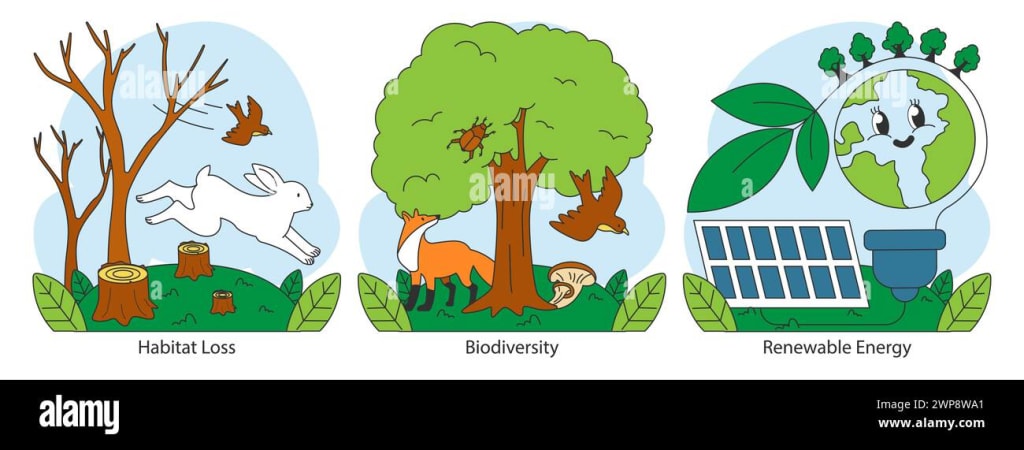
Human Impact on Biodiversity
Biodiversity, which encompasses the variety of life on Earth, including ecosystems, species, and genetic diversity, is crucial for maintaining the planet's ecological balance. It provides essential services such as clean air, water, food, and climate regulation, all of which are vital for human survival. However, human activities have significantly impacted biodiversity, leading to habitat destruction, species extinction, and ecosystem imbalance. This article explores the ways in which humans affect biodiversity, the consequences of these impacts, and strategies to mitigate the damage.
Human Activities and Their Effects on Biodiversity
(I)Habitat Destruction
The destruction of natural habitats is one of the most significant ways humans impact biodiversity. Urbanization, deforestation, agriculture, and industrial development lead to the loss of forests, wetlands, grasslands, and other habitats that are home to countless species. For example, tropical rainforests, which harbor over half of the world's species, are being cleared at alarming rates for farming and logging, endangering both plants and animals.
(II)Pollution
Pollution from human activities adversely affects biodiversity. Industrial emissions, agricultural runoff, and plastic waste contaminate air, water, and soil, harming wildlife and disrupting ecosystems. For instance, chemicals like pesticides and fertilizers can poison aquatic life and reduce soil fertility, while plastic pollution in oceans threatens marine species such as sea turtles and seabirds.
(III)Climate Change
Human-induced climate change is one of the most pressing threats to biodiversity. Rising temperatures, altered precipitation patterns, and extreme weather events disrupt ecosystems and force species to adapt, migrate, or face extinction. For example, coral reefs are dying due to ocean warming and acidification, while polar bears struggle to survive as Arctic ice melts.
(IV)Overexploitation of Resources
Overhunting, overfishing, and excessive logging have pushed many species to the brink of extinction. Unsustainable practices, such as illegal wildlife trade and unregulated fishing, not only threaten individual species but also destabilize entire ecosystems. The overexploitation of species like tuna, elephants, and sharks has cascading effects on food webs and ecosystem functioning.
(V)Introduction of Invasive Species
Human activities often introduce non-native species to new environments, either intentionally or accidentally. These invasive species can outcompete native species for resources, disrupt ecosystems, and cause significant biodiversity loss. For instance, the introduction of the cane toad in Australia has had devastating effects on native species.
Consequences of Biodiversity Loss
(I)Disruption of Ecosystem Services
Biodiversity supports vital ecosystem services such as pollination, nutrient cycling, and carbon storage. The loss of species and habitats can impair these services, leading to food shortages, soil degradation, and increased vulnerability to natural disasters.
(II)Economic Impact
Biodiversity loss affects industries like agriculture, forestry, and fisheries, which rely on healthy ecosystems. For example, the decline of pollinators like bees threatens global food production, while overfished oceans jeopardize livelihoods dependent on marine resources.
(III)Health Risks
Biodiversity loss increases the risk of zoonotic diseases, as habitat destruction forces wildlife closer to human populations. Additionally, the loss of medicinal plants and animals can hinder medical advancements and the development of new treatments.
(IV)Cultural and Aesthetic Loss
Biodiversity is deeply intertwined with cultural heritage, traditions, and aesthetics. The disappearance of species and natural landscapes diminishes the cultural identity of communities and the inspiration humans derive from nature.
Strategies to Mitigate Human Impact
(I)Conservation Efforts
Establishing protected areas like national parks and wildlife reserves is essential for conserving habitats and species. Governments and organizations should prioritize biodiversity hotspots and implement effective management plans to prevent further loss.
(II)Sustainable Practices
Adopting sustainable agricultural, fishing, and forestry practices can reduce the pressure on ecosystems. For example, agroforestry, organic farming, and sustainable fisheries minimize environmental impact while supporting biodiversity.
(III)Combating Climate Change
Reducing greenhouse gas emissions through renewable energy, energy efficiency, and reforestation is critical for mitigating climate change's effects on biodiversity. Additionally, restoring degraded ecosystems can help sequester carbon and enhance resilience.
(IV)Pollution Control
Implementing strict regulations on industrial emissions, waste disposal, and the use of harmful chemicals can reduce pollution. Recycling programs and clean-up initiatives can also help protect ecosystems from contamination.
(V)Raising Awareness and Education
Educating the public about the importance of biodiversity and the consequences of its loss can inspire individuals and communities to take action. Campaigns, workshops, and eco-tourism can foster a sense of responsibility for preserving nature.
(VI)Promoting International Cooperation
Global challenges like biodiversity loss require international collaboration. Agreements such as the Convention on Biological Diversity (CBD) and initiatives like the United Nations’ Sustainable Development Goals (SDGs) encourage nations to work together to protect the planet’s natural resources.
Conclusion
Human activities have drastically impacted biodiversity, leading to significant ecological, economic, and social consequences. However, by adopting sustainable practices, conserving habitats, and addressing global challenges like climate change and pollution, humanity can mitigate its impact and safeguard biodiversity for future generations. Protecting biodiversity is not just an environmental imperative but also a moral and practical necessity, as it underpins the well-being of all life on Earth.
About the Creator
Badhan Sen
Myself Badhan, I am a professional writer.I like to share some stories with my friends.
Keep reading
More stories from Badhan Sen and writers in Humans and other communities.
AUTOMATION AND JOB DISPLACEMENT
Automation and Job Displacement The rapid development of automation technologies has significantly transformed industries across the globe. Automation, which refers to the use of technology to perform tasks that were previously done by humans, is increasingly becoming a central element in manufacturing, services, and even white-collar jobs. While automation has brought about efficiencies, cost reductions, and increased productivity, it has also raised concerns about job displacement. As machines and algorithms take over routine and manual tasks, there is growing anxiety about the future of work, especially for those whose jobs are vulnerable to automation.
By Badhan Senabout a year ago in Humans
Signs of a Fake Long Distance Relationship You Keep Excusing
Long distance relationships can feel intense, emotional, and deeply personal. When they are real, they create trust, consistency, and shared growth across miles. When they are deceptive, they sap energy, time, and emotional safety. Many people realize something is wrong but try rationalizing it away. We frequently forgive behavior that would never be considered acceptable in a real-world relationship.
By Relationship Guide6 days ago in Humans




Comments (1)
Could Biodiversity become a college course or is it. This article would be a good introduction to the subject.