
How to Work as a Plumber in Belgium: Legal Requirements, Job Search & Career Tips
Work as a Plumber in Belgium
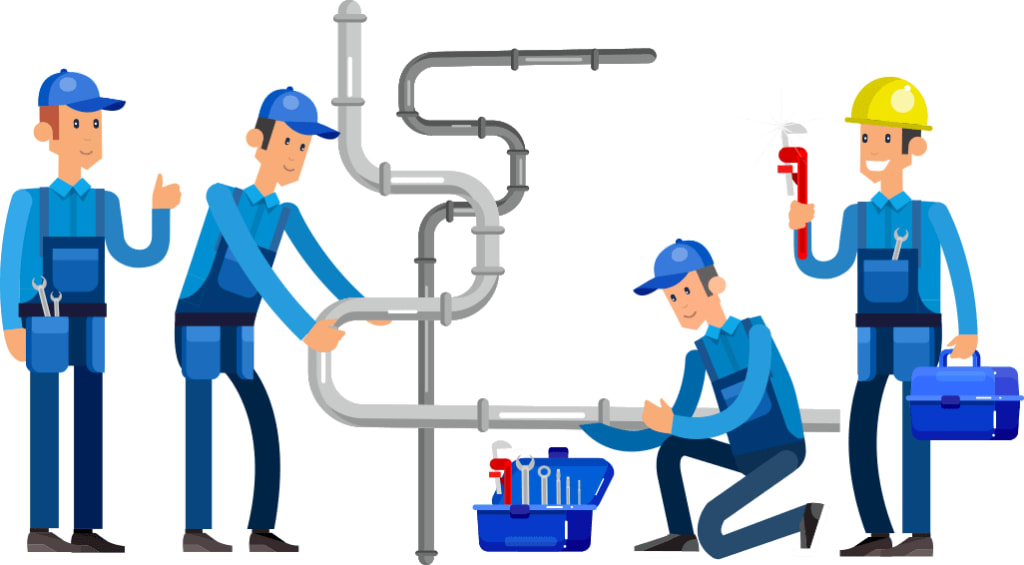
Thinking about working as a plumber in Belgium? Whether you already have experience in the trade or are just starting out, Belgium is a great place to build a career in plumbing. The construction sector here is consistently active, and skilled workers are always needed for everything from residential renovations to large-scale infrastructure projects.
This guide will walk you through the key steps: what qualifications you need, how to find a job, how much you can earn, and what the legalization process looks like — especially if you're an immigrant or a newcomer to the country.
What Does a Plumber Do in Belgium?
Plumbers in Belgium handle a range of tasks that go far beyond fixing leaky pipes. They are responsible for:
- Installing and maintaining water supply systems
- Connecting and repairing heating systems, including boilers and radiators
- Setting up drainage and sewage systems
- Installing modern equipment such as underfloor heating, heat pumps, and solar thermal systems
- Performing diagnostics and repairs on malfunctioning systems
- Reading technical drawings and following safety and building codes
In some jobs, knowledge of welding, ventilation systems, or smart home technologies is also a plus. Plumbers often work in teams but must also be able to complete assignments independently.
Where Plumbers Work in Belgium
There are several sectors and companies looking for qualified plumbers in Belgium:
- Construction companies (both residential and commercial projects)
- Renovation firms (handling upgrades in old buildings)
- Heating and ventilation service providers
- Government and municipal utility services
- Private households (especially if you're self-employed)
Thanks to the growing focus on energy efficiency and sustainability, plumbers who are experienced with eco-friendly systems — like rainwater harvesting or solar heating — may find themselves in even higher demand.
What Qualifications and Documents Are Required?
To work legally as a plumber in Belgium, especially if you’re from outside the EU, you’ll need to go through some official steps. Here’s what’s usually required:
- Professional qualification or diploma: If you're trained abroad, you might need to get your diploma recognized in Belgium through a process called “equivalence.”
- Work permit: For non-EU nationals, having a valid work permit is essential.
- Residence permit: If you're planning to live and work long-term, you’ll also need the appropriate visa or residence status.
- Language knowledge: In Flanders, employers expect basic Dutch; in Wallonia, it’s French. English can help in some companies, but it won’t be enough in most practical situations.
- Health and safety certifications: Some employers may also require proof of safety training or knowledge of local technical standards.
To get a full overview of what’s required and how to prepare, check the extended guide to working as a plumber in Belgium.
Average Salary of a Plumber in Belgium
Salaries vary based on experience, region, and the type of employer. On average:
- Beginner plumbers can earn between €2,300 and €2,700 gross per month
- Experienced professionals typically earn €3,000–€3,500
- Freelancers or self-employed plumbers can make significantly more, especially if they specialize or have repeat clients
Extra pay for overtime, weekend work, and emergency calls is common, especially in freelance or contract work.
Job Search: Where to Look for Plumbing Jobs
Looking for work? You’ve got several solid options:
- Official employment portals:
- VDAB (Flanders)
- Le Forem (Wallonia)
- Actiris (Brussels)
- International job platforms: Indeed, Jobat, Monster.be
- Specialized staffing agencies: Some recruit specifically for technical and construction jobs
- Direct company websites: Many medium and large plumbing firms advertise job openings directly
- Expat and local Facebook groups: Believe it or not, job leads often pop up there too
- Word of mouth: Belgium is a small country — recommendations travel fast
Make sure your CV is up to date, and don’t hesitate to contact companies directly even if there’s no vacancy listed.
Working as a Self-Employed Plumber
Many plumbers in Belgium prefer to work as self-employed professionals. It gives you more flexibility and the chance to earn more — but you also need to take care of the administrative side.
Here’s what you’ll need:
- Registration as a self-employed worker
- VAT number (BTW/TVA)
- Social security contributions
- Professional liability insurance
- Invoices and accounting (consider hiring a bookkeeper or using online tools)
Self-employed plumbers can work on construction sites, partner with real estate agencies, or take on private clients. Keep in mind that networking and a good reputation are key to growing your business.
Challenges You Might Face
Like any job abroad, plumbing in Belgium comes with its own challenges:
- Language barrier: Especially in the early stages, learning Dutch or French will make a huge difference.
- Recognition of qualifications: Getting your diploma officially recognized can take time.
- Weather conditions: If you’re working outdoors, Belgian winters can be wet and cold.
- Tools and transport: Many employers expect you to have your own basic tools and sometimes even a work vehicle.
Still, if you’re committed and know your craft, these challenges are totally manageable.
Useful Tip Before You Start
Start by gathering all your documents before applying — diplomas, references, ID, residence papers, etc. Having everything ready will save you time and headaches later.
And if you're just beginning to explore life and work in Belgium, the main Welcome Belgium portal has resources, guides, and real-world tips for immigrants, job seekers, and entrepreneurs.
About the Creator
Keep reading
More stories from Ретро Мания and writers in Humans and other communities.
How to Find a Job in Belgium as a Foreigner: A Practical Guide
Belgium is not just about chocolate, beer, or medieval towns — it’s also a solid job market for foreigners who are willing to adapt, learn, and meet the legal requirements. If you’re from outside the EU and thinking about working in Belgium, you’ll need more than just motivation. Here’s a full guide to help you understand the local job scene, permit types, and what it really takes to succeed.
By Ретро Мания8 months ago in Humans



Comments
There are no comments for this story
Be the first to respond and start the conversation.