
How to Prove the Other Driver Was at Fault in an Oregon Car Crash
How Do You Prove Fault in a Car Crash

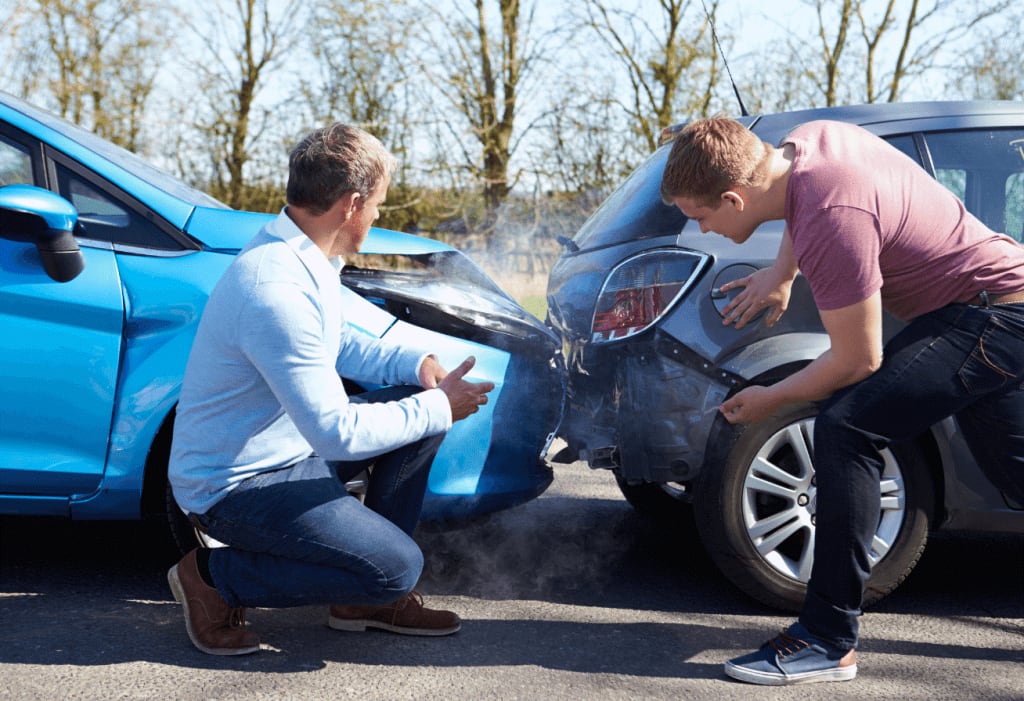
Getting into a car accident is scary and confusing. If the crash wasn’t your fault, you might be wondering how to show that the other driver caused it. Proving fault is important because it helps you get money for your car repairs, medical bills, lost wages, and more. In Oregon, the law allows injured people to collect damages when another person’s carelessness caused the crash. This guide explains what steps you need to take to prove fault after a car accident in Oregon. It also covers common mistakes, what kind of evidence to gather, and why having a lawyer on your side can make all the difference.
Oregon Is a “Fault” State
Oregon follows the "fault-based" system. This means the person who caused the accident is responsible for paying damages. If the other driver caused the crash, their insurance should pay for your losses. But the burden is on you to prove they were at fault.
Also, Oregon uses comparative negligence rules. If you are partly responsible, your compensation may be reduced. For example, if you were 20% at fault, you would receive only 80% of your total damages. But if you're more than 50% at fault, you can't recover anything.
How Do You Prove Fault in a Car Crash?
To prove the other driver was at fault, you need evidence. This helps show that the other person broke a traffic law or acted carelessly. Here’s what you should focus on:
Police Report
Always call the police after a crash. When officers respond, they write a report that includes:
What they saw
Who they believe caused the accident
Citations (if any) issued
You can request a copy of the police report from the local police department or Oregon DMV. Insurance companies often rely on this report.
Photos and Videos
Use your phone to take pictures and videos of:
The accident scene
Vehicle damage
Street signs and signals
Skid marks or debris
Injuries
If there are traffic cameras or business cameras nearby, ask if footage is available. This can be very helpful.
Witness Statements
If someone saw the crash, ask for their contact info. Neutral witnesses (people not in either vehicle) are often trusted more by insurance companies.
Medical Records
Go to a doctor right away, even if you feel fine. Injuries like whiplash or concussions don’t always show up right away. Your medical records help prove the crash caused your injuries.
Expert Opinions
In some cases, accident reconstruction experts may be used. These are professionals who study the crash scene and vehicles to determine how the accident happened.
Common Signs the Other Driver Was at Fault
It’s not always easy to prove fault, but certain actions almost always show negligence:
Rear-end crashes: The rear driver is usually at fault for not keeping a safe distance.
Left-turn accidents: If a driver turns left and hits another car going straight, they are often responsible.
Running a red light or stop sign: Violating traffic signals is strong proof of fault.
Drunk or distracted driving: If a driver was texting or impaired, they are likely to be found negligent.
What Not to Do After a Crash
Sometimes people make mistakes right after an accident that hurt their case. Avoid doing these things:
Don’t say “sorry” or admit fault it can be used against you later.
Don’t delay seeing a doctor.
Don’t speak with the other driver’s insurance company before talking to a lawyer.
Don’t post about the accident on social media.
Don’t accept a quick settlement before you know how hurt you are.
How Insurance Companies Try to Avoid Paying
Insurance adjusters often work to save their company money. Here’s how they may try to reduce or deny your claim:
Claiming you were partly or fully at fault
Saying your injuries are not serious
Arguing that your injuries were pre-existing
Offering a low settlement hoping you’ll take it quickly
That’s why it’s a good idea to have an attorney who knows how to handle these tactics.
Why Time Matters
In Oregon, the deadline to file a personal injury claim from a car accident is usually two years from the date of the crash. This is called the statute of limitations. If you wait too long, you may lose your right to seek compensation.
It’s best to start collecting evidence and speaking to a lawyer as soon as possible. Over time, memories fade, and evidence can be lost.
When to Hire a Car Accident Lawyer
Not every crash needs a lawyer, but many do especially if:
You have serious injuries
The other driver is blaming you
The insurance company is denying your claim
You're facing high medical bills or lost wages
A lawyer can:
Gather strong evidence
Handle insurance companies for you
Calculate what your case is worth
File paperwork and meet deadlines
Represent you in court if needed
Why Choose the Law Office of J. Clay McCaslin
When it comes to proving fault in an Oregon car crash, having a trusted legal team matters. At the Law Office of J. Clay McCaslin, we help injured people get the compensation they deserve. Based in Portland, we focus on personal injury cases, including car accidents, bicycle accidents, and pedestrian injuries.
Here’s why people choose us:
Over 15 years of legal experience
No fee unless we win your case
We handle everything from start to finish
We communicate clearly and promptly
We treat every client with care and respect
From gathering police reports to dealing with tough insurance companies, we’re on your side every step of the way.
FAQs
Q: How do I get a copy of the police report in Oregon?
A: You can request it through the police department that responded or from the Oregon DMV if a report was filed.
Q: What if I was partly at fault?
A: Oregon uses comparative negligence. If you are less than 51% at fault, you may still recover damages, but your compensation will be reduced.
Q: Can I prove fault without a police report?
A: Yes, but it’s harder. You’ll need other strong evidence like photos, videos, or witness statements.
Q: How long do I have to file a claim?
A: You generally have 2 years from the date of the accident to file a personal injury claim in Oregon.
Q: Do I have to go to court?
A: Not always. Many claims settle out of court. However, if the insurance company refuses a fair deal, your lawyer may file a lawsuit.
Conclusion
If you were injured in a car accident in Oregon and believe the other driver was at fault, it’s important to act quickly and gather the right evidence. Proving fault can be challenging, but you don’t have to face it alone. At the Law Office of J. Clay McCaslin, we have years of experience helping accident victims in Portland get the compensation they deserve. From dealing with insurance companies to fighting for your rights in court, we’re here to help.
About the Creator
Arish
hi my name is arish i am experienced in creating stories and make a good content for you
The Girl Who Blinked: How a Sixteen-Year-Old Stopped a Massacre by Trusting the Knot in Her Stomach
The true story of Emily Carson, the Colorado high school student who prevented a school shooting by noticing a subtle detail and reporting it, highlighting the power of situational awareness.
By Frank Massey 5 days ago in Humans


Comments
There are no comments for this story
Be the first to respond and start the conversation.