
How to overcome drug addiction with help rehabilitation centre in India
The rehabilitation centre in India suitably carries out psychosocial rehabilitation for a patient with mental illness in a residential setting.

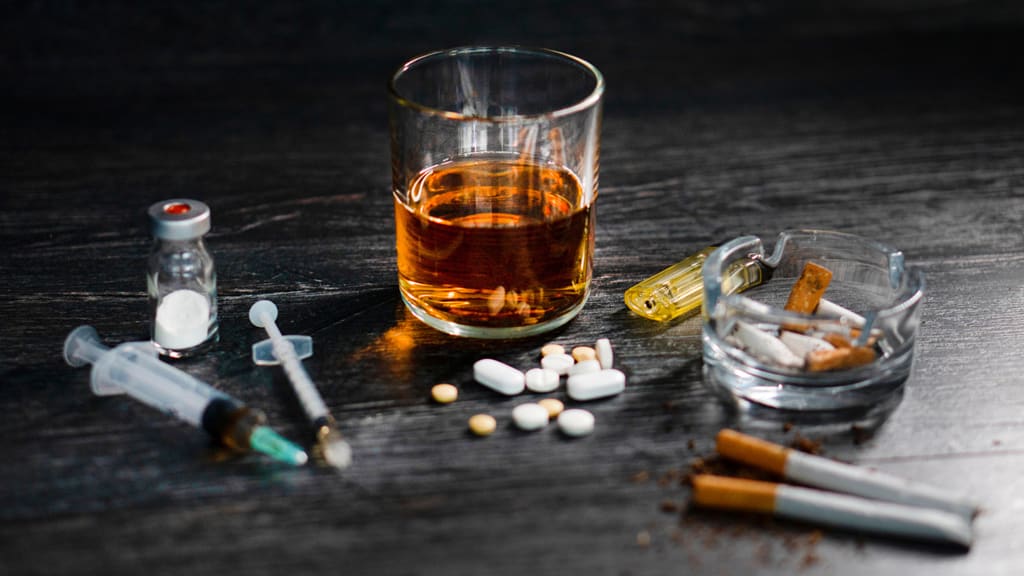
Overcoming drug addiction is a challenging journey that requires professional help, self-determination, and a structured environment. Rehabilitation centers in India play a critical role in guiding individuals through the recovery process. These centers provide a safe, supportive environment and a combination of therapies aimed at addressing the physical, emotional, and psychological aspects of addiction. Here’s a guide on how rehabilitation centers in India can help individuals overcome drug addiction.
1. Detoxification and Medical Support
The first step in overcoming drug addiction is detoxification, which involves removing the harmful substances from the body. This process can be physically and emotionally challenging, with withdrawal symptoms ranging from mild to severe. A rehabilitation center offers medical supervision during detox to ensure the safety and well-being of the individual. Physicians and healthcare professionals monitor the patient closely, managing withdrawal symptoms with appropriate medications and interventions to ease discomfort. This medical support reduces the risk of complications and prepares the individual for the next stage of recovery.
2. Psychological Counseling and Therapy
Overcoming addiction requires addressing the psychological and emotional factors that contribute to substance abuse. Rehabilitation centers provide access to professional counselors and therapists who specialize in addiction recovery. One-on-one counseling helps individuals explore the underlying causes of their addiction, such as trauma, stress, anxiety, or depression. These sessions focus on identifying triggers and learning healthier coping mechanisms to deal with life’s challenges without resorting to substance use.
Group therapy is also a crucial part of the recovery process. It allows individuals to share their experiences, learn from others, and develop a sense of community. Group support fosters accountability and reduces feelings of isolation, which are common among individuals battling addiction.
3. Behavioral Therapy
One of the most effective ways rehabilitation centers help individuals overcome addiction is through behavioral therapy. Cognitive Behavioral Therapy (CBT) is a widely used approach that helps patients identify and change negative thought patterns and behaviors associated with drug use. By focusing on how thoughts, emotions, and behaviors are interconnected, CBT empowers individuals to develop healthier ways of thinking and acting.
Other forms of behavioral therapy, such as Dialectical Behavior Therapy (DBT) and Motivational Enhancement Therapy (MET), are also used in rehab centers to help patients manage cravings, regulate emotions, and stay motivated throughout their recovery.
4. Holistic Approaches
In addition to traditional therapies, many rehabilitation centers in India incorporate holistic approaches to support the overall well-being of individuals. Practices such as yoga, meditation, mindfulness, and art therapy are commonly offered as part of a comprehensive treatment plan. These practices help individuals manage stress, improve emotional balance, and cultivate a sense of inner peace. By focusing on both the mind and body, holistic therapies play a significant role in helping individuals heal from addiction and develop healthier lifestyles.
5. Inpatient and Outpatient Programs
Rehabilitation centers offer both inpatient (residential) and outpatient programs, depending on the severity of the addiction and the individual’s needs. Inpatient programs provide a highly structured environment where individuals live at the center for a certain period, typically ranging from 30 to 90 days or longer. These programs offer round-the-clock care, ensuring individuals are fully immersed in their recovery with minimal distractions.
Outpatient programs, on the other hand, allow individuals to receive treatment while continuing with their daily responsibilities. These programs are suitable for those with less severe addiction or those transitioning from inpatient care. The flexibility of outpatient care enables individuals to maintain their support networks while still receiving therapy and counseling.
6. Relapse Prevention and Aftercare
One of the most critical aspects of addiction recovery is preventing relapse. Rehabilitation centers equip individuals with relapse prevention strategies, helping them recognize and avoid triggers that may lead them back to substance use. Techniques such as stress management, mindfulness, and coping skills training are taught to help individuals maintain sobriety in the long term.
Aftercare services are also essential in preventing relapse. Many rehab centers offer follow-up counseling, support groups, and regular check-ins to help individuals stay on track. Aftercare provides a sense of accountability and continuous support, which is crucial during the early stages of recovery.
7. Family Support and Education
Family involvement is a key element of the recovery process, as addiction often affects the entire family. Rehabilitation centers offer family counseling and education programs to help loved ones understand the nature of addiction and their role in the recovery journey. This support can strengthen family bonds and create a more supportive environment for the individual in recovery. It also helps family members cope with their own emotional struggles related to the addiction of a loved one.
8. Developing a New Lifestyle
Recovery from addiction isn’t just about quitting drugs; it’s about creating a healthier, more fulfilling life. Rehabilitation centers help individuals develop new routines, establish positive habits, and set goals for their future. By engaging in physical activities, hobbies, and skills development, individuals can rebuild their lives and find purpose beyond addiction.
Conclusion
Overcoming drug addiction is a complex process that requires professional help and a structured environment. Rehabilitation centers in India provide the medical, psychological, and emotional support necessary for individuals to break free from addiction. Through detoxification, therapy, behavioral interventions, and aftercare services, these centers guide individuals through the challenging but rewarding journey to recovery. By focusing on holistic healing and relapse prevention, drug rehabilitation centre in India empower individuals to reclaim their lives and maintain long-term sobriety.
About the Creator
Tulasi Health Care
Tulasi Healthcare is a mental health clinic and rehabilitation center located in Gurgaon, Delhi, India. They treat drugs and mental illnesses such as schizophrenia, depression, schizophrenia, anxiety and other mental illnesses .
Keep reading
More stories from Tulasi Health Care and writers in Humans and other communities.
Finding the Best Rehabilitation Centre in India
India has seen a growing need for quality rehabilitation services, particularly for individuals struggling with addiction to substances like alcohol, drugs, and even behavioral dependencies such as gambling. With a plethora of rehabilitation centres across the country, determining which one is the best can be challenging. However, there are several essential factors to consider when identifying the most effective rehab facility. By understanding what to look for, individuals and families can make informed decisions that lead to successful recovery journeys.
By Tulasi Health Careabout a year ago in Humans
10 Best Sugar Daddy Dating Sites in Europe to Meet European Sugar Daddies (2026 Guide)
The Best Sugar Daddy Dating Sites in Europe to Meet European Sugar Daddies have become increasingly popular as modern relationships evolve and people look for mutually rewarding connections across different European countries. In recent years, sugar dating has grown into a well-known lifestyle where successful, generous men connect with attractive companions who appreciate mentorship, lifestyle upgrades, and meaningful companionship. Across cities such as Paris, London, Berlin, Milan, and Madrid, wealthy professionals are turning to specialized dating platforms to meet compatible partners who understand the dynamics of sugar relationships. These websites provide structured environments where expectations are clear, communication is open, and both individuals can explore connections that blend romance, lifestyle benefits, and emotional companionship.
By Mark Hipster2 days ago in Humans
The First Rainbow Baby
Pitter-patter, pitter-patter. The rain fell in rhythmic splatters, slowly slowing, but still constant. Mira rolled onto her side pulling the blanket tight against her ears, but still she could hear chitter-chatter and scurrying feet of the creatures that refused to sleep in the lower decks.
By A. J. Schoenfeld3 days ago in Fiction


Comments
There are no comments for this story
Be the first to respond and start the conversation.