
How to Meditate When You Can't Sit Still
(A Guide for Fidgety Skeptics)

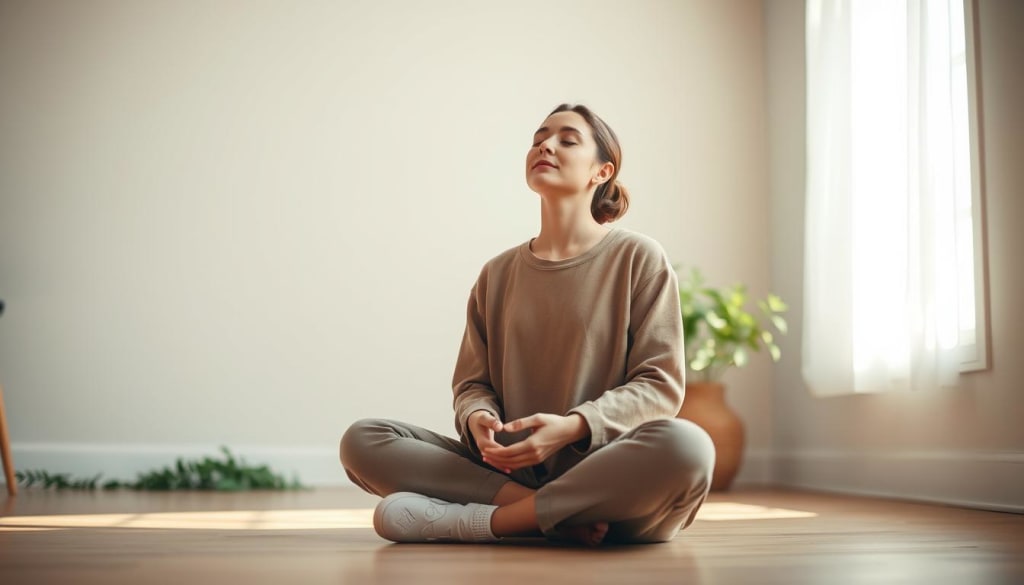
Can a restless person find calm without forcing a perfect pose? This guide shows you a friendly, no-nonsense route you can get started with today.
Think of meditation as a simple practice that trains attention. You use an anchor like the breath, notice wandering, and kindly bring your focus back. That gentle repetition builds a stronger focused mind.
You will find easy, movement-friendly options and quick sessions for busy days. Expect clearer focus, calmer reactions, better sleep, and easier moments in daily life without special gear or memberships.
This guide gives simple steps to learn meditate, cues that keep the body engaged, and short routines you can repeat. Five to ten minutes is enough to start; consistency matters more than long sits.
Why This Guide Works for Fidgety Skeptics
You don’t need a perfect pose; you need practical steps that actually fit your life.
This guide meets restless people where they are. It accepts that you move, your thoughts race, and long sits feel impossible.
Regular short sessions — even 12 minutes a day, five days a week — strengthen attention and lower stress. Simple routines beat long, rare sessions. Comfort matters: choose a supportive seat, not a showy posture.
Distraction is normal. When your attention drifts, gently return it. No judgment, no pressure. Movement-friendly practices count. Walking, short breath checks, or standing anchors all qualify as real practice.
Behavior design makes this stick. Use visible reminders and "If this, then that" cues to pull you out of autopilot. Small, clear tips and timed prompts cut through excuses about time.
In short, this way focuses on simple, repeatable steps that build skill. The benefits — better focus, calmer reactions, and a steadier mind — show up when you keep at it.
What Is Meditation, Really? Calm, Clarity, and Present-Moment Awareness
Meditation trains your attention like a simple mental workout you can do anywhere. You pick a steady point—often the breath—notice when the head drifts, and gently return. That cycle strengthens focus and builds everyday awareness.
Meditation as attention training
Use the breath as an anchor because it’s always with you and felt in the body at the belly, nose, or chest. Fixing attention on that rhythm gives your mind a reliable home base.
What happens in a short session
You set an intention, thoughts pop up, and you bring the attention back. Each return is the real practice—Sharon Salzberg notes the mind may wander after one breath, and that gentle return is how skill grows.
Key benefits for busy minds
Lower stress, steadier mood, sharper focus, better sleep, and stronger resilience are common gains. Mindfulness and mindfulness meditation also boost self-awareness and can support overall health.
There’s more than one way: try sound anchors, open awareness, or a brief body scan to connect attention with sensations. If you prefer guidance, short guided meditation sessions help many beginners learn and build confidence.
How to Meditate When You Can’t Sit Still
When sitting still feels impossible, short, clear actions beat long rules. Start with a tiny, doable practice that fits the moment and your energy.
Quick-start: five to ten minutes you can do today
Set a timer for five to ten minutes. Sit in a comfortable chair, cushion, or bed with your hands where they rest naturally.
Focus on the breath and return when the mind wanders
Pick the breath you notice most—belly, nose, or chest—and follow that feeling. Expect your mind wandered fast; when you notice, gently come back to the breath.
Eyes open or closed, and end with kindness
You can keep eyes softly open with a downward gaze or close them lightly. Finish with a brief check: notice sounds, how your body feels, and any emotions, then carry that present moment awareness into the rest of your day.
Movement-Friendly Ways to Meditate
Let gentle movement become the pathway to calm and clearer attention. This section gives practical, motion-friendly meditations you can do anywhere. Each practice uses simple cues and short steps that fit a busy life.
Mindful walking is a direct way to anchor attention in the feet and legs. Walk at a natural pace and notice lifting, placing, and shifting. Count steps from one to ten, then start again. When your mind drifts, come back to the felt sense of each step.

Use movement as mini meditations
Keep your hands wherever they feel comfortable—on your belly, behind your back, or at your sides. Use short cues like, “If phone rings, take a breath.” Try an office cue: “If you reach the door, take one slow exhale.”
Outdoors and small spaces
Outside, widen awareness so you stay safe while returning attention to sensations. In tight rooms, walk short lines on the floor and use the floor edges as cues. Pause at ten steps, turn with intention, and start again.
Treat each return of attention as progress. Repetition in motion builds the same attention muscle as sitting practice, just without forcing stillness.
Mastering the Basics: Breath, Posture, and Body Awareness
Start with simple, reliable basics that anchor the body and settle the attention.
Posture matters, but not perfection. Choose a chair with feet flat on the floor, sit on a cushion, cross-legged, kneel, or even use your bed if you can stay alert. Aim for an upright spine, relaxed shoulders, and hands resting where they feel natural.
Let the breath be your friendly anchor. Track the rise and fall at the belly, the cool and warm at the nose, or the chest movement. There is no perfect breathing style—notice, don’t force.
Use a short body scan to settle the mind. Sweep attention from toes to legs, through the torso, arms, face, and head. Pause briefly in each area and note sensations like pressure, warmth, or tingling without judging.
If you get sleepy, itchy, or fidgety, adjust posture, blink your eyes, or take a gentle stretch or light yoga move. Then return to your anchor with a soft focus. Close with one deeper exhale to reset and bring attention back to the back breath.
Guided Meditation Options You Can Use Right Now
Use a guided voice as a scaffolding—an easy way to steady the mind without forcing stillness.
Short guided reset for midday
Try a five to ten minute guided meditation when your energy feels flat. A steady voice gives simple cues for breathing and posture. Headphones help but are optional if your space is quiet.
Pick a track that names common distractions and offers clear "return" cues. That framework reduces self-judgment when your mind wandered and makes restarting fast and friction-free.
Longer practice for thoughts and emotions
When you have more time, choose a guided meditation that explores posture, breathing rhythms, and how to meet emotions with curiosity. These longer meditations make the body part of the practice and teach you gentle skill with thinking patterns.
Tips: save one go-to track on your phone, mix short and long sessions across the week, and finish with a brief body check so you come back into the day calmly.
Build a Meditation Practice That Sticks
Small design changes often make a daily meditation practice automatic and easy to keep.
Behavior design: place reminders, refresh cues, and create new patterns
Make starting obvious: put your cushion, chair, or timer where you will see it. That removes setup excuses and lowers friction.
Use simple If this, then that prompts. For example, "If I open the office door, then one deep breath." Refresh reminders weekly so the cue stays new.
Minutes that matter: daily consistency over duration
Research shows about twelve minutes, five days a week can strengthen attention. Short daily touches beat rare long sessions.
Protect a small window in your day, track streaks, and plan a minimum dose for off days. These tiny moves pay attention dividends across your life and body.
"Small, regular steps change habit pathways and bring steady gains for the mind."
Troubleshooting Common Roadblocks
Most sessions include surprises; the trick is noticing and using them as cues. When the mind wanders, that notice is the practice. Label the distraction briefly and come back to your anchor without shame.

If an itch or noise shows up, pause and feel it for a moment. If you must scratch or shift, do it gently and then return to the back breath. There’s no perfect rule for the body; simple adjustments are fine.
Choose eyes open or closed based on alertness. A soft, downward gaze cuts visual clutter while helping you stay present. If you feel sleepy, sit taller, take a fuller inhale, or stand for a quick reset.
Practical tips when things get awkward
Acknowledge strong feelings or arousal, notice the sensations, and bring attention back when you can. If the thought, “I cannot meditate,” pops up, treat it as another object to notice. Repeating the return is the whole method.
"Progress comes from showing up and returning — again and again."
Conclusion
A short, calm ending helps the practice land in your day. Spend a few quiet breaths with your eyes closed, feel the head and body, then open slowly. This small step makes the shift from session into life.
Pick an anchor, notice distraction, and come back. Done for five minutes or more, this regular habit lowers stress and builds steady awareness. Use movement-friendly meditations, a guided track, or walking—choose the way that fits your energy.
If you’ve been waiting, you ’re ready now. Set a timer for a few minutes, try one simple step, and jot a quick note about what you noticed. Small, consistent actions change how you meet the day.
About the Creator
Wilson Igbasi
Hi, I'm Wilson Igbasi — a passionate writer, researcher, and tech enthusiast. I love exploring topics at the intersection of technology, personal growth, and spirituality.
Keep reading
More stories from Wilson Igbasi and writers in Humans and other communities.
5 Strengths That Make Empaths Unstoppable
This short guide shows how sensitivity becomes a tool for healing, teamwork, and clear decisions. Many describe empaths as emotional sponges, a phrase popularized by Judith Orloff, MD. That image helps people who sense more notice a pattern in their day-to-day.
By Wilson Igbasi3 months ago in Humans


Comments
There are no comments for this story
Be the first to respond and start the conversation.