
How to Gain Weight Fast: Tips to Be Safe and Healthy
Here are Tips to Be Safe and Healthy


Gaining weight can be as challenging as losing it, especially for those who are naturally underweight or have a fast metabolism. Whether you're looking to build muscle or simply increase your overall weight, gaining weight in a healthy and sustainable way is important. In this guide, we’ll explore the best strategies to help you safely put on weight and improve your overall health.
1. Increase Your Caloric Intake
The foundation of gaining weight is consuming more calories than your body burns. This creates a calorie surplus that promotes weight gain.
How to calculate your calorie needs: Use a calorie calculator to estimate how many calories you need each day to maintain your current weight. Then, aim for 300-500 extra calories if you want to gain weight gradually. For faster weight gain, you might target 700-1,000 extra calories daily.
Track your intake: It’s helpful to monitor your calorie intake initially. Tools like food trackers can give you insights into how many calories you’re consuming and help you adjust.
2. Focus on Protein-Rich Foods
Protein is essential for building muscle mass, which contributes to healthy weight gain. Research shows that increasing protein intake can help boost lean muscle growth.
Protein-rich foods: Meats, fish, eggs, dairy, legumes, and nuts are excellent sources. If you find it difficult to meet your protein needs through food alone, consider adding protein supplements like whey protein.
However, be mindful that high-protein diets may reduce appetite in some people. Speak with a healthcare professional if you’re considering increasing protein for weight gain.
3. Increase Your Carbohydrate Intake
Carbohydrates are crucial for providing energy and supporting muscle growth. While carbs alone won’t make you gain weight, they are an excellent way to increase your calorie intake.
Good sources of carbs: Oats, quinoa, sweet potatoes, fruits, and whole grains like brown rice and buckwheat are high in healthy carbs that can help fuel your body.
Experts suggest that 45-65% of your daily calories should come from carbohydrates.
4. Choose Energy-Dense Foods
Energy-dense foods provide more calories per serving, which can make it easier to increase your calorie intake without feeling overly full.
Examples of energy-dense foods:
Nuts like almonds and walnuts
Dried fruits like raisins and dates
Full-fat dairy products such as whole milk and cheese
Healthy oils, such as olive oil and avocado oil
Incorporate these foods into your meals to boost your calorie intake and enhance your efforts to gain weight.
5. Use Larger Plates and Avoid Drinking Water Before Meals
The size of your plate can impact how much food you eat. Studies show that people tend to eat more when using larger plates, so consider switching to bigger dishes to encourage larger portion sizes.
Additionally, drinking too much water before meals may fill you up, making it harder to consume enough calories. Try to avoid water right before or during meals to make room for more food.
6. Try Weight Gainer Shakes
Weight gainer shakes are a quick and efficient way to pack in extra calories, especially if you struggle with appetite. These shakes are rich in protein, carbohydrates, and fats, making them an ideal option for people looking to gain weight fast
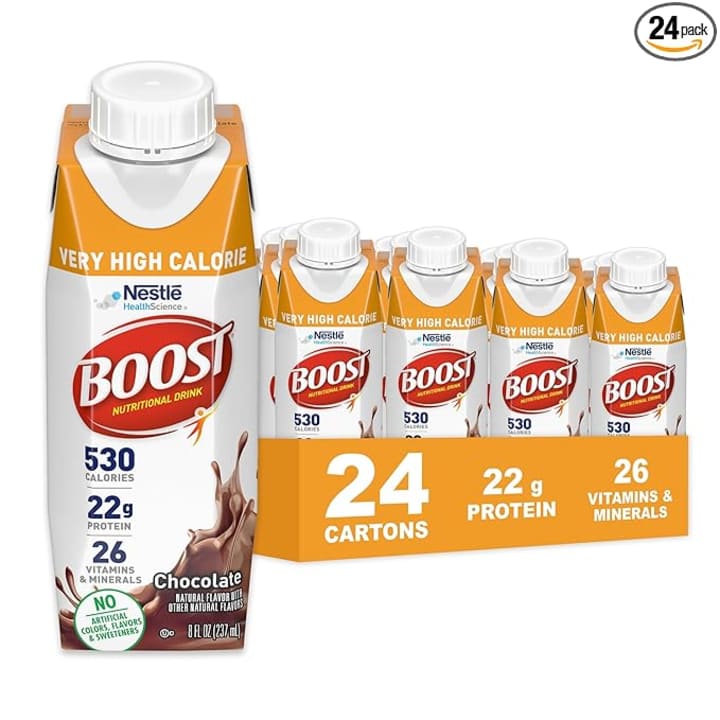
For a highly effective and easy-to-consume option, consider this Very High Calorie Nutritional Drink. It’s designed to support rapid weight gain by providing a nutrient-packed formula with high calories per serving.
7. Get Enough Sleep and Manage Stress
Proper sleep and stress management are essential for your overall health and weight gain journey. Lack of sleep can hinder muscle recovery and growth, so prioritize 7-9 hours of quality sleep each night. Managing stress through mindfulness, yoga, or deep breathing can also prevent cortisol (a stress hormone) from affecting your metabolism.
8. Consider Creatine for Muscle Gain
Creatine, a popular supplement, can help with muscle-building, which is essential for healthy weight gain. Creatine monohydrate has been shown to increase lean muscle mass, which can result in weight gain that comes from muscle rather than fat.
9. Exercise for Muscle Mass
Resistance training, or strength training, can help you gain muscle mass while also contributing to weight gain. Incorporating bodyweight exercises or free weights into your routine can help increase muscle size and weight.
If you're new to strength training, consider working with a personal trainer to ensure you’re performing exercises correctly and effectively.
10. Avoid Smoking
If you smoke, quitting can lead to weight gain. Studies show that smokers tend to weigh less than non-smokers, and quitting can result in a natural increase in weight.
Final Thoughts: A Healthy Approach to Weight Gain
Weight gain should focus on increasing lean muscle mass and a balanced amount of subcutaneous fat rather than unhealthy belly fat. It’s crucial to choose nutrient-dense foods and live an overall healthy lifestyle to gain weight safely.
If you’re having trouble gaining weight despite following these tips, consider consulting with a healthcare professional or dietitian. They can tailor a plan specifically for your needs and help you meet your goals in a safe and effective way.
FAQ:
How much weight can I gain by eating 500 additional calories daily?
You could gain an average of 15 pounds (6.8 kg) over six months by eating 500 extra calories a day. However, individual results vary depending on factors such as sex, age, and metabolism.
What if I can’t gain weight?
Factors like genetics, a fast metabolism, or medical issues can make it difficult to gain weight. Consider speaking with a dietitian to create a tailored plan based on your specific needs.
Affiliate Disclaimer: This post contains affiliate links. If you use these links to buy something, we may earn a commission at no additional cost to you. Thank you for supporting our blog!
About the Creator
Keep reading
More stories from Ann D. Burch and writers in Humans and other communities.
Best Text Humanizer for collage Students
In today’s fast-paced academic environment, students often face the challenge of creating unique content for essays, assignments, and projects. One of the most effective tools for overcoming this challenge is a text humanizer. These innovative tools help transform machine-generated or overly technical content into more natural, human-like language. If you're a student looking for a way to make your academic writing sound more authentic, a text humanizer is the solution you need. In this article, we'll explore the best text humanizer tools for students, their features, and how they can enhance your writing. Try Quizmate today
By Ann D. Burch8 months ago in Humans
My First Time Skiing and I Got Lost, Alone, in the French Alps
Looking back, I can trace some of my life’s biggest adventures to a simple action from my sister. She’d introduced me to Tommy (a very long time ago), a colleague of hers, who had overshared his penchant for Italian-looking women, and I ticked that box.
By Chantal Christie Weiss3 days ago in Humans
Why Modern Singles Struggle Finding Compatible Partners And How Solutions Help
Contemporary singles tend to fail to pick up a match as there are too many partners in dating apps and social networks. The abundance of options appears to be an advantage, but it may result in exhaustion, unrealistic expectations, and inability to commit. Endlessly swiping or looking at profiles lead to a paradox of choice when it seems that there is no choice that will be fulfilling.
By Robert Smith4 days ago in Humans


Comments
There are no comments for this story
Be the first to respond and start the conversation.