
How to Fall Asleep Quickly: Effective Strategies for Fast Sleep
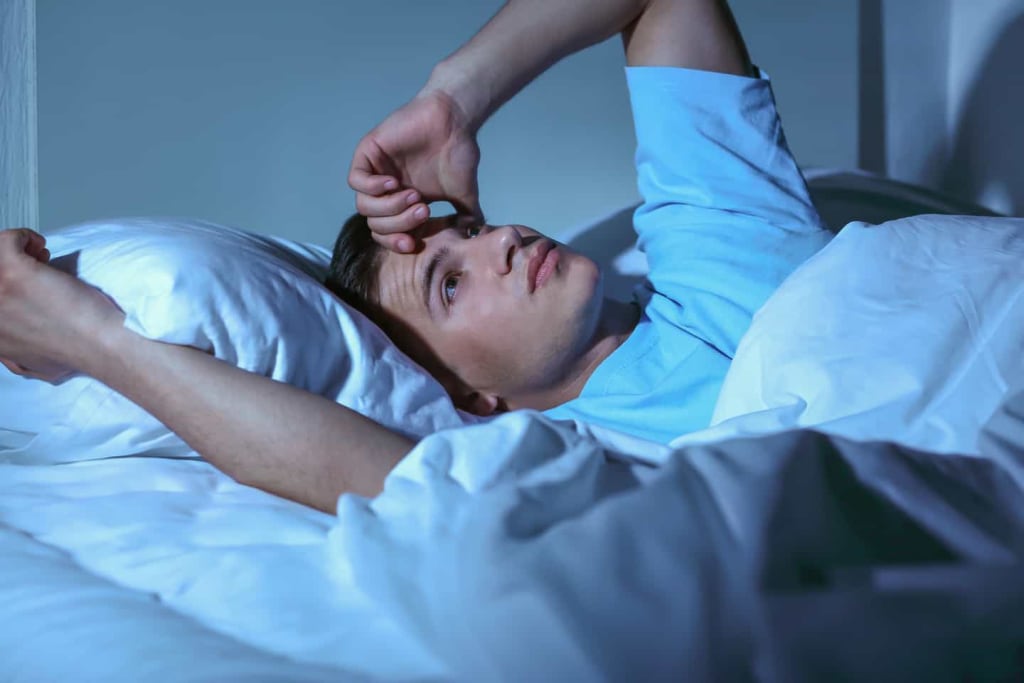
Sleep is a fundamental aspect of our lives, essential for physical and mental well-being. However, for many people, the simple act of falling asleep can be an ongoing struggle. If you find yourself tossing and turning night after night, you're not alone.and this article is for you. because we've compiled some of the best advice and practices to increase your odds of falling asleep in minutes.
So let's begin with seven things you should do before you sleep:
- The first crucial step is to create a cooler sleeping environment. Your thermal surroundings, especially in the vicinity of your head and body, play an often underestimated role in determining not just how easily you'll drift into slumber tonight, but also the overall quality of your sleep.Whether you find yourself overheating due to hefty blankets, warm pajamas, or simply a hot room, research has shown that it can significantly reduce the duration of slow-wave sleep and REM (Rapid Eye Movement) sleep cycles. Moreover, the initial process of falling asleep requires your body to lower its temperature by approximately 2-3°F or 1.5°C, making a cooler environment conducive to a quicker cooling-down process.Surprisingly, the recommended room temperature for optimal sleep quality hovers around 65°F or 18.3°C. While excessively cold conditions aren't ideal either, they generally lack the disruptive impact on falling asleep and sleep quality that a warm room tends to have.
- involves taking a warm shower or bath before bedtime. While you might assume that feeling warm and cozy helps you sleep, it's quite the opposite. When you expose your body to higher temperatures, it struggles to retain heat, causing your blood vessels to dilate, resulting in that flushed, red appearance. Once you step out of the warm water, the dilated blood vessels release heat into your surroundings, causing your core body temperature to drop. This drop in temperature signals to your body and brain that it's time to prepare for sleep.
- is all about keeping the clock out of sight. Having the ability to glance at the time and see how much sleep you haven't gotten can be counterproductive and can lead to unnecessary stress. In fact, monitoring time is strongly associated with increased stress levels and wakefulness during the night.
- recommends minimizing or avoiding caffeine and nicotine. Coffee, colas, certain teas, and even chocolate can take up to eight hours to wear off completely, and nicotine acts as a stimulant. It's wise to steer clear of these substances too close to bedtime. Also, avoid eating too close to bedtime. While some studies suggest avoiding carb-heavy diets, the key is not going to bed either too hungry or too full.
- the benefits of exercise for falling asleep faster, but it's crucial to time it right. Exercising 2-3 hours before bedtime can actually keep you awake longer. Similarly, while naps can be refreshing, taking them after 3 p.m. can make it harder to fall asleep at night.
- emphasizes the importance of relaxation before bed. If you're mentally wired or alert, sleep will elude you. Engaging in a calming activity, such as reading, within the hour before bedtime can create the perfect mental state for sleep.
- underscores the significance of sun exposure during the day and minimal light exposure in the evening. It's common knowledge to avoid screens before bed, but it's equally vital to get at least 30 minutes of natural sunlight exposure during the day, especially if you struggle with falling asleep. This helps regulate your body's internal clock and triggers sleepiness at the appropriate times.
So, now that we've covered these seven conditions for optimizing your sleep experience, you may still find yourself wide awake. If you're lying in bed right now, perhaps frantically searching for ways to fall asleep faster, you've technically broken rule #7 of not using your phone. But I'll cut you some slack if it's out of sheer desperation—I won't complain about the extra view.In all seriousness, if you're lying in bed after trying these techniques, there's a technique "allegedly" used by the Navy that, with practice, can help you fall asleep in just 2 minutes, no matter where you are.
The process goes like this:
- Progressive Muscle Relaxation: Start by systematically relaxing each part of your body. Begin with a deep breath. Close your eyes and shift your focus to your face. Picture each muscle in your face slowly relaxing. If needed, tense and then release each muscle group. Exhale as you feel your cheeks, tongue, mouth, and jaw relax, even envisioning your eyes sinking gently into their sockets. Gradually move down your body, repeating the same process for each muscle group: shoulders, arms (from forearms to fingers), chest, legs, and finally, your feet. Throughout this process, continue deep, calming breaths while concentrating on relaxation.
- Clearing Your Mind: Once you've relaxed your entire body, transition into a meditative state. When thoughts about your day or mental images surface, acknowledge them without dwelling, allowing them to pass. Just thinking through motions can cause muscles to involuntarily contract. Similar to meditation, avoid letting your thoughts consume you. Concentrate on your rhythmic breathing or visualize yourself in a tranquil setting, perhaps on a warm, swaying hammock on a summer's day. If you find it challenging to stop your thoughts, some suggest repeating "don't think, don't think, don't think..." for about 10 seconds. Remember, it may seem simple, but consistent practice is key.
- Maintain a Sleep Schedule: Establishing a regular sleep routine is vital. Go to bed and wake up at the same time every day, even on weekends. While it might be inconvenient, humans are creatures of habit, and sticking to a routine sets your body's internal clock to work seamlessly. After weeks of practice, falling asleep quickly becomes more likely. However, this advice assumes no underlying sleep disorders or medical conditions.
- Avoid Lying Awake: If you're unable to fall asleep, don't linger in bed for extended periods. Studies reveal that prolonged wakefulness in bed leads to anxiety and worsens sleep problems. Instead, get up and engage in a relaxing or mildly uninteresting activity until you begin to feel drowsy.
Consistency and practice are key to mastering this technique. While it might not provide an instant solution on your first attempt, dedicating time to these practices can yield positive results over time.
About the Creator
Love In Digital Times Feels Lonely Despite Endless Romantic Online Options
There would never be a time when love is as readily available as it is now. Using Smartphones, dating applications, social networks, and instant messaging, one can meet and communicate with someone on any part of the globe. A new conversation, match or message is just a click away at any given time. This digital era seems to present unlimited romantic opportunities on the surface. But most individuals are more lonely than ever toward love. The unlimited possibilities that are offered to connect people exhaust them emotionally, make them uncertain, and unconnected. Rather than feeling satisfied a lot are left wondering why love has become so far off in an apparently united world.
By Olivia Smith3 days ago in Humans



Comments (2)
Extremely helpful and detailed information. I like that you write quality information that people can relate to and use. Thank you this article is much appreciated.
Great insights 🫶🏾😊💯📝‼️