
How Social Media Is Reshaping Human Life,Ethics and Identity
From connection to confusion,social media is both a lifeline and a labyrinth raising big questions about who we are,how we live and what we value.

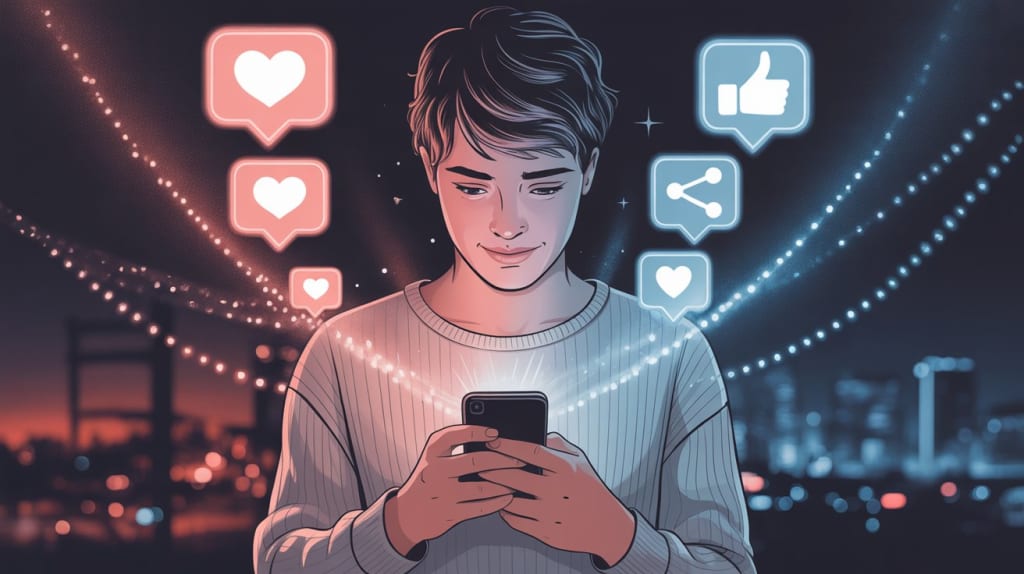
In just two decades, social media has gone from a digital novelty to the centerpiece of modern life. From Facebook posts to TikTok trends, Instagram selfies to Twitter/X threads, we now live more online than ever before. But with this constant connectivity comes a wave of consequences—good, bad, and deeply personal.
We’re more connected, yet more distracted. More informed, yet more misled. More expressive, yet more anxious. So where does this leave us as individuals—and as a society?
The Big Questions We All Ask About Social Media
As social platforms evolve, they raise urgent questions that many of us are still grappling with:
- Is social media making us happier—or lonelier?
- Are we addicted to validation?
- Can truth survive in a world of filters and algorithms?
- How much of our online self is even real?
- Who owns our data—and our attention?
- Are children safe in a space designed for adults?
These aren't just tech questions. They're ethical, psychological, and existential ones.
The Good Side: Connection, Opportunity, and Empowerment
Let’s not forget: social media has brought incredible value to human life.
Connection – You can stay in touch with family across continents, join niche communities, or find support during difficult times.
Voice – Marginalized groups now have platforms to speak out, organize, and be heard.
Opportunity – People are building careers, businesses, and brands entirely through social media. A single viral video can launch a movement or a million-dollar startup.
Learning – Educational content has become widely accessible, from bite-sized language lessons to in-depth science explainers.
Done right, social media empowers people, democratizes information, and encourages global empathy.
The Dark Side: Comparison, Addiction, and Misinformation
But this tool has a dark mirror.
Comparison Culture – When every feed is a highlight reel, it’s easy to feel like everyone else is doing better, living happier, looking prettier. The result? Insecurity, jealousy, and depression.
Addiction – Social media platforms are designed to keep you scrolling. Dopamine hits from likes and notifications create real psychological dependency.
Misinformation – Fake news spreads six times faster than real news, according to MIT research. And once misinformation is viral, it's hard to undo the damage.
Surveillance Capitalism – We trade privacy for convenience, often unknowingly. Our data isn’t just collected; it’s sold, studied, and used to manipulate what we see—and even what we believe.
Ethical Concerns in the Age of Feeds
Social media has become a space where ethics are constantly tested.
Free speech vs. hate speech
Influence vs. manipulation
Awareness vs. performative activism
Parental sharing vs. children’s consent
Even influencers face moral dilemmas: Should they promote products they don’t use? Should they show their real life or only the aesthetic one?
And then there's AI-generated content, deepfakes, and algorithms deciding what billions see each day. Who’s really in control?
Mental Health and Identity in a Filtered World
Psychologists warn that excessive use of social media especially among teens correlates with anxiety, depression, and low self-esteem.
We’re constantly curating an image, measuring our worth through hearts, views, and shares. But living through filters can blur the lines between authenticity and performance.
Children now grow up comparing themselves to influencers and avatars. Adults are trapped in cycles of doomscrolling and digital validation.
Is It Us or the Algorithm?
One of the most chilling aspects of social media is the invisible hand behind it all: the algorithm.
It decides what we see, who we interact with, and even what we feel. It favors outrage, extremes, and instant engagement—not necessarily truth, kindness, or balance.
As a result, even well-meaning users can be nudged into echo chambers, political polarization, and misinformation spirals.
Finding Balance: Using Social Media Mindfully
We can’t ignore social media. But we can use it better.
✅ Set boundaries—screen time limits, no scrolling before bed
✅ Curate your feed—follow what inspires, unfollow what drains
✅ Be real—share truthfully, not just perfectly
✅ Take breaks—go offline to reconnect with the real world
✅ Think critically—fact-check, reflect, pause before reacting
Like any tool, social media is what we make of it. It can distract or empower, divide or unite, exploit or enlighten.
Conclusion: The Mirror We Scroll Through
In many ways, social media is a mirror one that reflects not just our faces but our fears, values, and choices. It’s a stage, a diary, a battlefield, a marketplace, a therapist, and sometimes a toxic friend.
How we engage with it determines what kind of world we’re building.
Because social media isn’t going away. But perhaps, if we’re thoughtful enough, the worst parts of it don’t have to stay.
About the Creator
Nowshad Ahmad
Hi, I’m Nowshad Ahmad a passionate storyteller, creative thinker, and full-time digital entrepreneur. Writing has always been more than just a hobby for me; it's a way to reflect, connect, and bring life to ideas that often go unspoken.
Keep reading
More stories from Nowshad Ahmad and writers in Humans and other communities.
5 Deep Questions Everyone Asks Themselves- And What Modern Life, Psychology,and Faith Say About them
Across continents, cultures, and generations, there are certain questions that visit the mind of every person. They appear during quiet nights, after heartbreak, in the middle of success, or when life feels uncertain. These are not silly doubts—they're the core questions of being human.
By Nowshad Ahmad8 months ago in Humans
Himalayan Salt Tiles: Arthritis Relief for Senior Citizens
The Centers for Disease Control claim that 58 million Americans are afflicted by arthritis. When it comes to older adults, that number increases, making it one of the most common reasons for disability for people 65 and over. As demand increases for natural, alternative options to wellness, many caregivers, spa owners, and senior living planners are implementing natural, non-invasive Himalayan salt tiles into a natural wellness environment.
By david smith2 days ago in Humans
A System That Isn’t Working Challenge Winners
Systems promise order. They organize behavior, distribute opportunity, and suggest that if everyone follows the rules, things will work. The entries in A System That Isn’t Working look closely at what happens when that promise begins to slip.
By Vocal Curation Team3 days ago in Resources



Comments
There are no comments for this story
Be the first to respond and start the conversation.