
How Much Hair Loss Is Normal in the Shower?
By Jason Jones

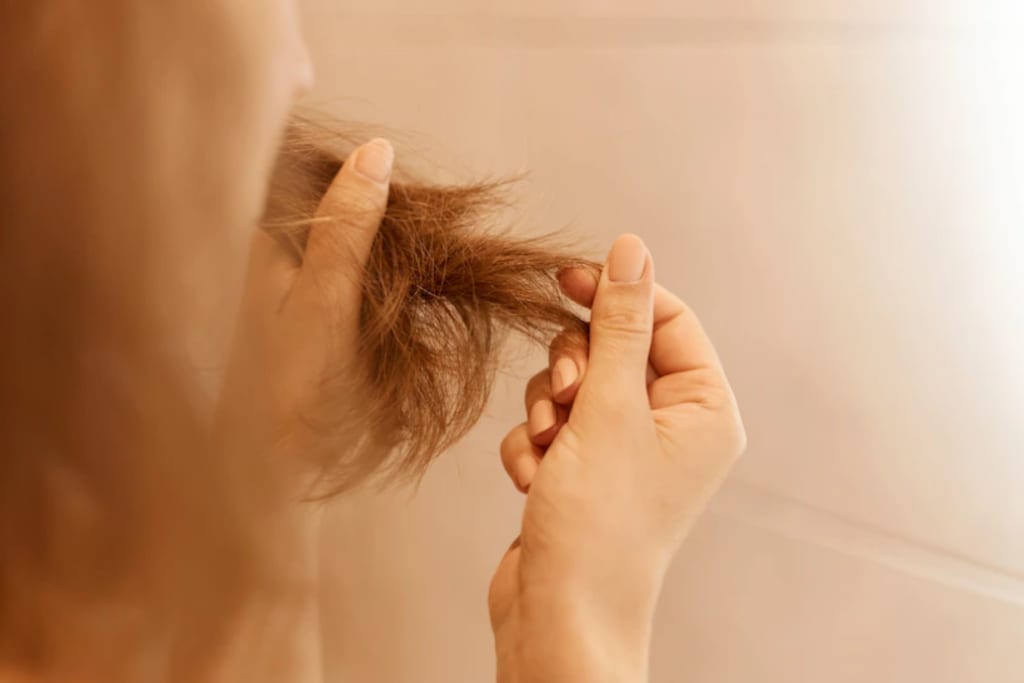
Have you ever wondered how much hair loss is normal in the shower? If you have, you are not alone. Many people are concerned about the amount of hair they see on their shower drain, hairbrush, or pillow. They may worry that they are losing too much hair or that they have a serious medical condition.
But before you panic, you should know that some hair loss in the shower is perfectly normal and nothing to be alarmed about. In fact, it is part of the natural cycle of hair growth and shedding that occurs every day.
In this article, I will explain how much hair loss is normal in the shower, what causes it, and what you can do to prevent excessive hair loss. I will also introduce you to a potential alternative treatment for hair growth that uses red light therapy. Read on to find out more.
How Much Hair Loss Is Normal in the Shower?
According to the American Academy of Dermatology (AAD), it is normal to lose about 50 to 100 hairs per day1. This may vary depending on your hair length, thickness, and texture. People with longer or thicker hair may lose more hairs than people with shorter or finer hair.
On days when you wash your hair, you may notice more hairs coming out in the shower. This is because washing your hair can loosen the hairs that are already in the resting or shedding phase of the hair cycle. These hairs would have fallen out anyway, but washing your hair helps them detach faster.
The AAD says that washing your hair can cause you to lose up to 250 hairs per day1. However, this does not mean that you are losing more hair than normal. It just means that you are removing the hairs that have already stopped growing and are ready to fall out.
Therefore, you should not be worried if you see some hairs on your shower drain or in your comb after washing your hair. This is a normal and healthy part of your hair cycle.
What Causes Hair Loss in the Shower?
Hair loss in the shower is mainly caused by the natural cycle of hair growth and shedding. Your hair goes through three phases: anagen, catagen, and telogen2.
- Anagen is the active growth phase, where your hair grows about half an inch per month. This phase lasts for two to six years, depending on your genetics and other factors.
- Catagen is the transition phase, where your hair stops growing and detaches from the blood supply. This phase lasts for about two weeks.
- Telogen is the resting phase, where your hair remains attached to the follicle but does not grow. This phase lasts for about three months, until a new hair pushes out the old one.
At any given time, about 90% of your hairs are in the anagen phase, while 10% are in the telogen phase2. This means that every day, about 10% of your hairs are ready to fall out and be replaced by new ones.
However, sometimes other factors can cause more hair loss than normal in the shower. These factors include:
- Stress. Stress can trigger a condition called telogen effluvium, where a large number of hairs enter the telogen phase at once and fall out within a few months3. This can be caused by physical or emotional stress, such as illness, surgery, trauma, or major life changes.
- Hormonal changes. Hormonal changes can also cause telogen effluvium or another condition called androgenetic alopecia, where male or female hormones affect the growth cycle of the hair follicles4. This can be caused by pregnancy, childbirth, menopause, thyroid problems, or certain medications.
- Nutritional deficiencies. Nutritional deficiencies can affect the health and quality of your hair. For example, lack of iron, zinc, biotin, protein, or vitamin D can cause hair loss or thinning5.
- Medical conditions. Medical conditions such as alopecia areata (an autoimmune disorder), scalp infections (such as ringworm), or skin disorders (such as psoriasis) can cause inflammation or damage to the scalp and hair follicles6.
- Medications or treatments. Medications or treatments such as chemotherapy, radiation therapy, blood thinners, antidepressants, or birth control pills can have side effects that include hair loss7.
If you suspect that any of these factors are causing excessive hair loss in the shower, you should consult your doctor for diagnosis and treatment.
How to Prevent Excessive Hair Loss in the Shower?
While some hair loss in the shower is normal and unavoidable, there are some things you can do to prevent excessive hair loss and keep your hair healthy and strong. Here are some tips:
- Wash your hair gently with a mild shampoo and conditioner. Avoid harsh chemicals, sulfates, parabens, or fragrances that can irritate or dry out your scalp and hair.
- Use a wide-toothed comb or a soft-bristled brush to detangle your hair. Avoid pulling, tugging, or brushing your hair when it is wet, as this can cause breakage and damage.
- Dry your hair with a microfiber towel or a cotton t-shirt. Avoid rubbing or wringing your hair, as this can cause friction and frizz. You can also let your hair air-dry if possible.
- Limit the use of heat styling tools such as blow dryers, curling irons, or flat irons. These can damage your hair and make it more prone to falling out. If you have to use them, apply a heat protectant spray or serum beforehand and use the lowest temperature setting.
- Avoid tight hairstyles such as ponytails, braids, or buns that can pull on your hair and cause stress and damage to the scalp and hair follicles. Opt for loose or gentle hairstyles that do not put pressure on your scalp.
- Eat a balanced diet that includes protein, iron, zinc, biotin, vitamin D, and other nutrients that support hair growth and health. You can also take supplements if you are deficient in any of these nutrients, but consult your doctor first.
- Manage your stress levels by practicing relaxation techniques such as meditation, yoga, breathing exercises, or hobbies. Stress can affect your hormones and immune system, which can affect your hair growth and health.
- Get enough sleep and exercise regularly. Sleep and exercise can help regulate your hormones and blood circulation, which can benefit your hair growth and health.
Red Light Therapy for Hair Regrowth: An Alternative Treatment
If you are looking for an alternative way to stimulate your hair growth and prevent hair loss, you might want to consider red light therapy. Red light therapy is a treatment that uses low-level laser therapy (LLLT) to irradiate the scalp with red or near-infrared light.
The red light is absorbed by the cells in the scalp and converted into energy that helps promote cell proliferation and collagen production. This enhances the metabolism and activity of the hair follicles and makes them grow faster and healthier.

Red light therapy has been shown to be safe and effective for hair growth in both men and women8. It can help increase hair density, thickness, strength, and quality9. It can also help prevent or reverse hair loss caused by various factors, such as aging, hormones, stress, medication, or disease.
Red light therapy can be done at home with a device such as a red light therapy cap. This is a hat-like device that emits red light onto the scalp through LED lights embedded in it. You can wear it for about 20 minutes a day for several weeks or months to see results. The best red light therapy device for hair loss is easy to use, comfortable, and portable.

Red light therapy has no known side effects or risks for most people. However, it is always advisable to consult your doctor before trying any new treatment for your hair loss.
Conclusion
Hair loss in the shower is a normal part of the hair cycle that occurs every day. It is not a sign of a serious medical condition or a reason to panic. However, if you notice more hair loss than normal in the shower or elsewhere, you should consult your doctor to rule out any underlying causes.
You can also prevent excessive hair loss and keep your hair healthy by following some simple tips such as washing your hair gently, drying it carefully, avoiding heat styling tools, eating a balanced diet, managing your stress levels, and getting enough sleep and exercise.
You can also try red light therapy as an alternative treatment for hair growth and prevention of hair loss. Red light therapy uses low-level laser therapy to stimulate the scalp cells and hair follicles with red light. It is safe, effective, convenient, and affordable.
I hope you found this article helpful and informative. If you did, please share it with your friends and family who might benefit from it too. And don’t forget to leave a comment below and let me know what you think of red light therapy or if you have any questions about it. I would love to hear from you!
About the Creator
Wellness Wonder
Be simple, and keep being curious about the real essence of life.
Keep reading
More stories from Wellness Wonder and writers in Humans and other communities.
How I Used Herbs and Red Light Therapy to Regrow My Hair
I have always had a problem with my hair. Ever since I was a teenager, I noticed that my hair was thinning and falling out. I tried everything to stop it, from shampoos and supplements to medications and surgeries. Nothing worked. I felt insecure and embarrassed about my appearance. I avoided social situations and wore hats all the time. I hated looking at myself in the mirror.
By Wellness Wonder2 years ago in Humans
The History of Valentine’s Day for Students Made Easy and Fun
Introduction to the History of Valentine’s Day for Students Valentine's Day is frequently associated with hearts, cards, sweets, and words of love. For students, it can feel like a contemporary celebration centered on gifts and social media. However, the history of Valentine's Day is far older and more interesting than most people realize. When we go back, we find stories of ancient rituals, daring choices, secret weddings, and customs that helped define the holiday that students know today.
By Relationship Guideabout 4 hours ago in Humans
The Devil's Cut
“Comrade, finally you’re awake.” The voice was smooth, sensual. A flickering incandescent bar was all that lit the white, sterile room. All Vladimir remembered was everything going black. He tried to move his arms and found them strapped to the gurney.
By Matthew J. Fromm4 days ago in Fiction




Comments
There are no comments for this story
Be the first to respond and start the conversation.