
How Meditation Helps to Reduce Stress
How Does Meditation Help in Managing Stress Levels?

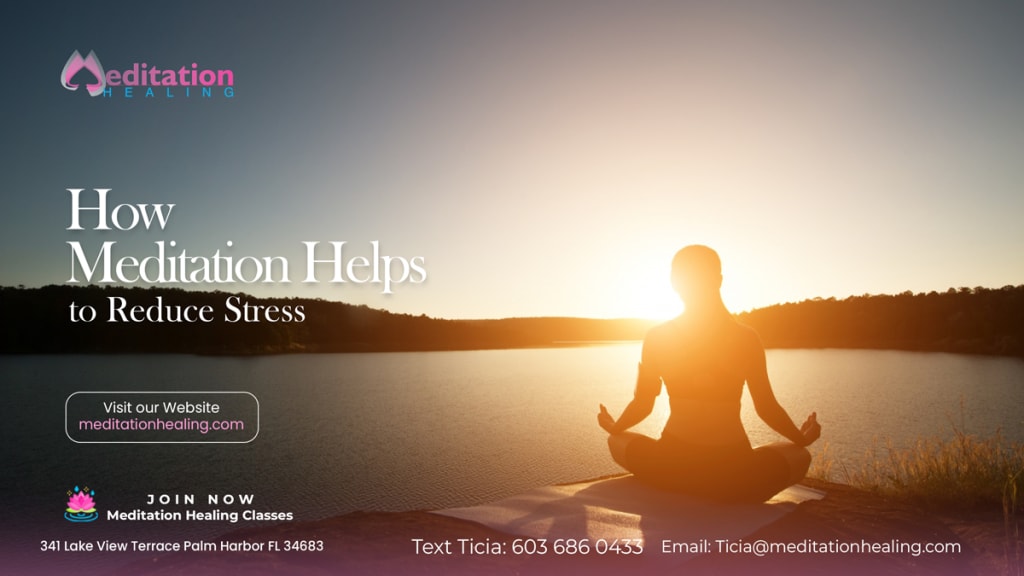
In today’s fast-paced world, stress has become an almost unavoidable part of daily life. From juggling demanding work schedules to managing personal responsibilities, the pressure can take a serious toll on both our physical and mental health. While there’s no shortage of quick fixes promising relief, one time-tested, research-backed solution stands out for its simplicity and effectiveness: meditation to reduce stress.
What Is Meditation?
Meditation is a practice that involves training your mind to focus and redirect your thoughts. It’s often used to increase awareness of the present moment, reduce negative emotions, and cultivate a sense of calm and clarity. There are many different styles of meditation—mindfulness meditation, loving-kindness meditation, transcendental meditation, and guided visualization, to name a few—but all share a common goal: to foster inner peace and mental balance.
The Science Behind Stress
Before understanding how meditation helps, it’s useful to look at what stress does to the body. When you’re stressed, your body enters a “fight or flight” mode, releasing hormones like cortisol and adrenaline. These hormones increase heart rate, blood pressure, and muscle tension, preparing you to respond to a perceived threat.
While this response is helpful in short bursts (like avoiding an accident), chronic stress keeps your body in this heightened state over time. This can lead to serious health issues including anxiety, depression, insomnia, digestive problems, and even heart disease.
How Meditation Reduces Stress
1. Calms the Nervous System
One of the most immediate effects of meditation is the activation of the parasympathetic nervous system—the body’s natural “rest and digest” mode. When you meditate, your heart rate slows, breathing becomes deeper, and your muscles relax. This shift tells your brain and body that it’s safe to relax, helping counteract the stress response.
2. Lowers Cortisol Levels
Cortisol is often referred to as the body’s main stress hormone. While it serves important functions, too much of it over long periods can damage your health. Numerous studies have shown that regular meditation can significantly reduce cortisol levels, leading to improved mood, better sleep, and lower blood pressure.
3. Increases Mindfulness and Self-Awareness
Mindfulness, or the ability to stay present in the moment without judgment, is a core component of many meditation practices. When you're mindful, you’re less likely to ruminate on past mistakes or worry about future problems—two major sources of stress. By becoming more aware of your thoughts and feelings, you can catch stress triggers early and respond to them more calmly.
4. Improves Emotional Regulation
Meditation strengthens areas of the brain associated with emotional control, such as the prefrontal cortex. Regular practice can help you respond to stressors more rationally and with less reactivity. Instead of feeling overwhelmed by a stressful email or a traffic jam, you’ll be more equipped to acknowledge your frustration without letting it take over.
5. Promotes Better Sleep
Stress and sleep are closely linked. The more stressed you are, the harder it is to fall and stay asleep—and poor sleep only increases stress the next day. Meditation helps break this cycle by calming the mind and body, making it easier to wind down at night. Practices like body scan meditation and guided breathing are especially useful for promoting restful sleep.
Evidence-Based Benefits
Scientific research continues to validate the effectiveness of meditation in reducing stress. For example:
- A study published in JAMA Internal Medicine found that mindfulness meditation helped reduce symptoms of anxiety, depression, and stress.
- Harvard researchers discovered that just eight weeks of mindfulness meditation could increase gray matter in the brain areas involved in learning, memory, and emotional regulation.
- A 2018 meta-analysis reviewing over 200 studies concluded that meditation has a “substantial effect” on reducing stress, anxiety, and depression across various populations.
Tips for Getting Started
You don’t need to sit cross-legged on a mountaintop or meditate for hours to feel the benefits. Here are some beginner-friendly tips:
- Start small: Even five minutes a day can make a difference.
- Find a quiet space: Choose a spot where you won’t be interrupted.
- Focus on your breath: Pay attention to the sensation of breathing in and out.
- Use guided meditations: Apps like Headspace, Calm, or Insight Timer can provide structure.
- Be consistent: Like any habit, meditation gets easier—and more effective—the more regularly you practice.
Final Thoughts
In a world where stress is nearly constant, meditation offers a simple, accessible way to slow down, reconnect with yourself, and find calm and gather energy amidst the chaos. It doesn't require any special equipment or advanced skills—just your time, attention, and willingness to pause. Whether you're dealing with a demanding job, parenting stress, or general anxiety about the future, incorporating meditation into your daily routine can lead to long-lasting improvements in your mental and emotional well-being.
By carving out even a few minutes a day to meditate, you’re giving your mind and body the chance to reset—leading to a healthier, calmer, and more centered you. So, if you are searching for the best place where you can practice meditation peacefully, you can get in touch with Meditation Healing. They will also provide you with the best results.
About the Creator
Ticia Agri
Traveled 72 countries in Europe, Africa, and the Middle East at the age of 19. Educated in Europe and the USA, Columbia and NYU, graduated; SUNY degree in Languages 1969, assistant to Michael Lang,
Keep reading
More stories from Ticia Agri and writers in Humans and other communities.
Awaken the Healer Within: The Powerful Benefits of Attending Shamanic Self-Healing Classes
In a fast-paced world filled with constant stimulation, emotional fatigue, and physical stress, many people are turning inward to seek healing, clarity, and purpose. While modern medicine and therapy certainly play essential roles in well-being, there's a growing movement toward ancient practices that reconnect us with the deeper, spiritual layers of ourselves. One such path is Shamanic self-healing, which is an ancient tradition that invites us to become our own healers, guided by the wisdom of nature, spirit, and intuition.
By Ticia Agri3 months ago in Humans



Comments
There are no comments for this story
Be the first to respond and start the conversation.