
How Male and Female Roles Have Changed Throughout History
Exploring the Evolution of Gender Roles from Ancient Societies to the Modern Era

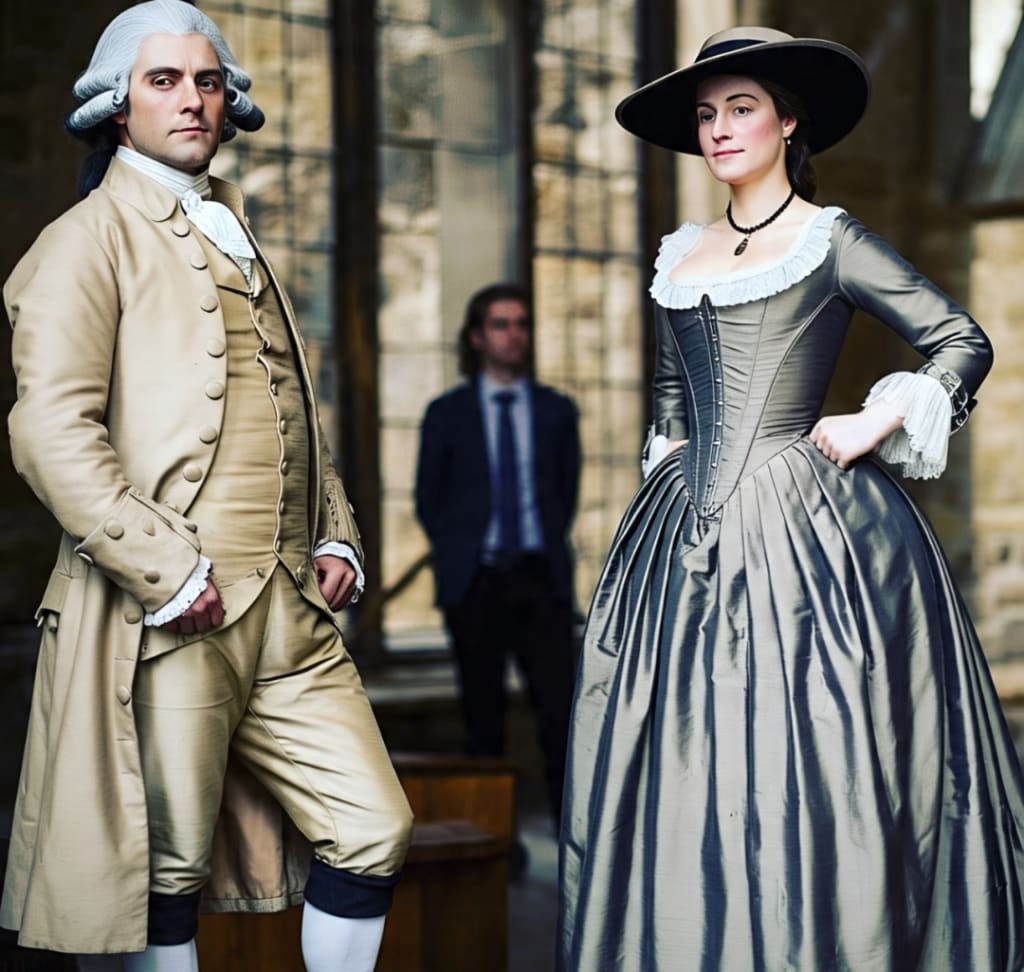
The roles of men and women have shifted dramatically throughout history. From ancient societies with defined gender hierarchies to the modern fight for equality, the evolution of male and female roles reflects larger cultural, political, and economic transformations. Understanding the history of gender roles helps explain current social dynamics and inspires future progress toward gender equality.
Ancient Civilizations: Clear Divides in Gender Roles
In early human societies, survival was a top priority. Men were primarily hunters and warriors, while women took on domestic roles, such as child-rearing and food preparation. These divisions were not necessarily about power but practicality, based on physical demands and reproductive roles.
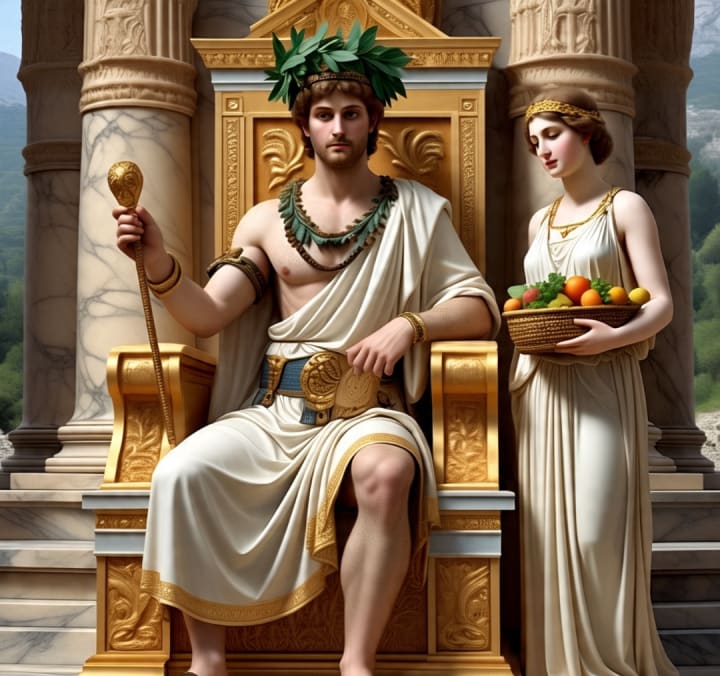
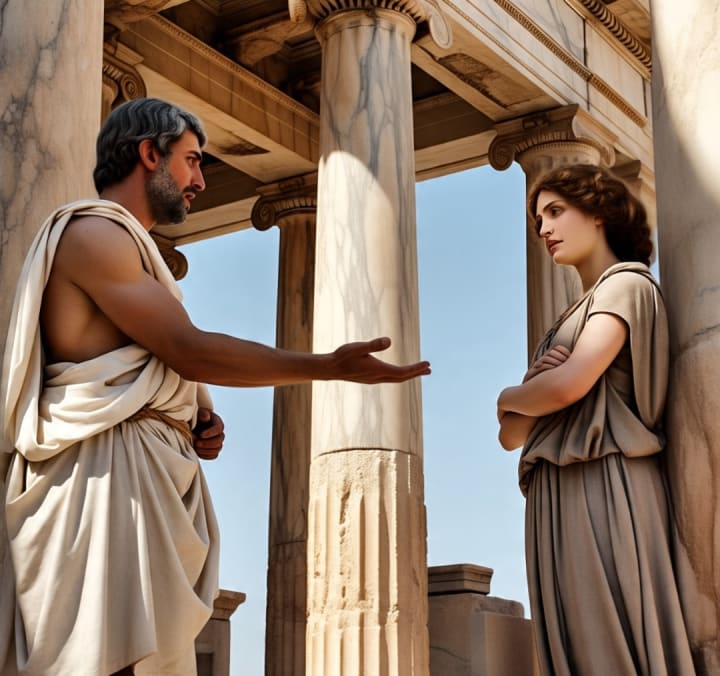
As civilizations like Mesopotamia, Egypt, Greece, and Rome developed, gender roles became more structured. In many of these ancient societies, men held legal and political power, while women were often confined to the private sphere. However, exceptions existed—Egyptian queens like Cleopatra and female priestesses in Greece show that power wasn’t exclusively male.
The Middle Ages: Religion and Patriarchy Reinforce Roles
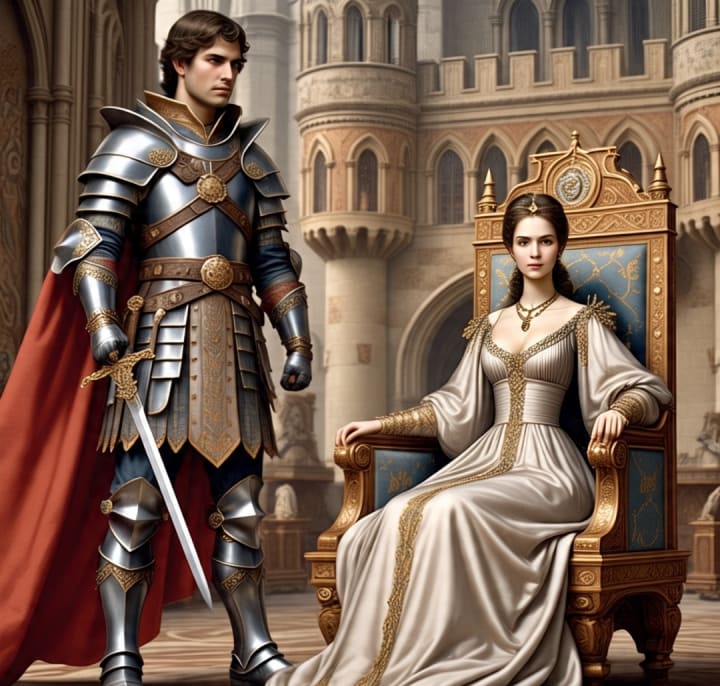
In medieval Europe, the influence of the Christian Church reinforced patriarchal gender roles. Women were often viewed as morally weaker and were expected to obey their fathers or husbands. Noblewomen had some influence in court and estate management, but overall, women had limited rights.
In other regions like the Islamic world, gender roles were also shaped by religion. Women in early Islamic societies were given certain rights—such as inheritance and divorce—but were still expected to maintain traditional roles at home.
The Renaissance and Enlightenment: Small Shifts, Big Ideas
During the Renaissance, education and culture flourished, but gender roles remained unequal. Women were often excluded from formal education, although figures like Christine de Pizan and Elizabeth I of England challenged the norms by demonstrating female intellect and leadership.
The Enlightenment in the 17th and 18th centuries introduced revolutionary ideas about liberty and individual rights. Thinkers like Mary Wollstonecraft argued that women deserved equal education and autonomy, laying the intellectual groundwork for later feminist movements.
The Industrial Revolution: Gender Roles in Transition
The 18th and 19th centuries saw profound economic changes. As industrialization progressed, men went to work in factories, while women were often expected to stay home, creating a “separate spheres” ideology. However, working-class women frequently labored in textile mills, domestic service, and agriculture.
This era saw the beginning of organized advocacy for women’s rights. The women’s suffrage movement gained momentum, especially in the U.S. and Europe, as women began demanding the right to vote, own property, and access education.
20th Century: The Rise of Gender Equality Movements
The 20th century marked a turning point in the evolution of gender roles. Two world wars forced women into the workforce in large numbers, proving they could do jobs traditionally reserved for men.
After WWII, although many women were pushed back into domestic roles, the seeds of change had been planted. The feminist movements of the 1960s and 1970s fought for equality in the workplace, reproductive rights, and the dismantling of outdated gender norms.
This era saw landmark progress:
Women gained the right to vote in most countries.
Educational access improved dramatically.
Laws against gender discrimination were passed.
21st Century: Redefining Roles in a Globalized World
Today, male and female roles are more fluid than ever. Gender is increasingly viewed as a spectrum rather than a binary. While men and women still face different expectations in many cultures, the push for gender equity is stronger and more widespread.
Men are taking on more domestic roles, while women are increasingly represented in politics, business, science, and leadership positions. Discussions around toxic masculinity, mental health, and work-life balance are reshaping how we view traditional roles for both genders.
At the same time, there are global disparities. In some regions, women still lack access to education, healthcare, and basic rights. Gender-based violence and economic inequality remain serious challenges.
The Role of Media and Technology
In the digital age, media and technology play a massive role in shaping gender expectations. Social media, streaming platforms, and online education allow people to question stereotypes and access diverse perspectives. Movements like #MeToo and HeForShe have raised global awareness about gender justice.
Technology also offers tools for empowerment—whether it's apps for women’s safety, remote work opportunities, or education platforms for girls in developing countries.
Conclusion: Looking Forward with Awareness and Action
The history of male and female roles shows a long journey from rigid expectations to increasing freedom and equality. While progress has been made, the path forward requires continuous learning, empathy, and structural change.
Understanding how gender roles have evolved helps us recognize biases, promote fairness, and support the next generation in living authentically—regardless of gender. As society continues to evolve, so too will our understanding of identity, capability, and equality.
Vocal
Vocal.media
history of gender roles
how gender roles have changed
evolution of male and female roles
gender equality through history
traditional vs. modern gender roles
gender roles in society
feminism and gender change
male and female expectations in history
__________________________________________
Thank you so much for reading this! 🥰 If you liked my writing, please leave a comment, click the heart and subscribe for free!
About the Creator
Muhammad
Explore deeply emotional stories and poems about future love, heartbreak, and healing. Each piece captures real moments of connection, loss, and personal growth—crafted to resonate with readers seeking authentic, relatable experiences.
Kindred Spirits vs Soulmates: Key Emotional Differences.
The terms “kindred spirit” and “soulmate” are often used interchangeably, but they describe fundamentally different kinds of connections. Both are meaningful, but the emotional dynamics, depth, and purpose of each connection vary. Understanding these distinctions helps you recognize the nature of your relationships and navigate them with clarity, emotional balance, and intention.
By Wilson Igbasi5 days ago in Humans


Comments
There are no comments for this story
Be the first to respond and start the conversation.