
How Gen Z Is Redefining Success and Work Life Balance
Success on Gen Z’s Terms

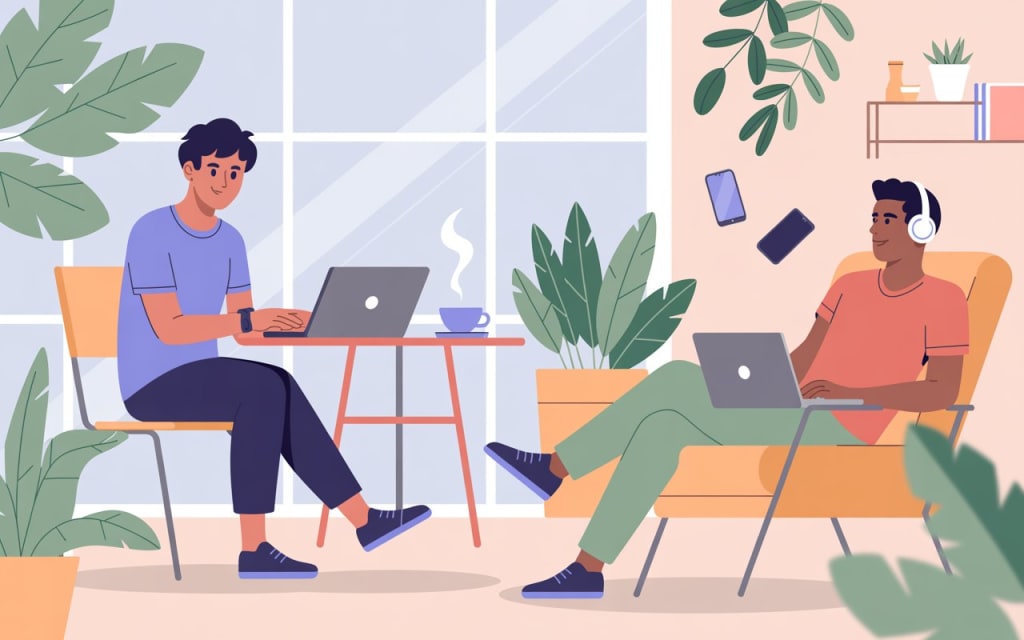
For decades, success followed a predictable formula.
Long working hours.
Corporate titles.
Stable salaries.
Delayed personal life.
Generation Z is breaking this model completely.
Born roughly between 1997 and 2012, Gen Z is entering the workforce with a mindset shaped by technology, economic uncertainty, social awareness, and mental health conversations. Instead of chasing traditional milestones, they are reshaping what success and work-life balance truly mean in the modern world.
This shift is not a trend.
It is a cultural transformation.
1. Success Is No Longer Just About Money
Previous generations often measured success by income, promotions, and material assets. Gen Z still values financial stability, but money is no longer the only metric.
For Gen Z, success includes:
- Time freedom
- Mental well-being
- Purpose-driven work
- Personal growth
- Flexibility in lifestyle
Many Gen Z professionals prefer meaningful work over high-paying jobs that cause burnout. They are willing to earn slightly less if it means better mental health, creative freedom, and a life outside work.
This mindset explains the rise of freelancing, remote work, and side hustles among young professionals.
2. Work-Life Balance Is a Non-Negotiable Priority
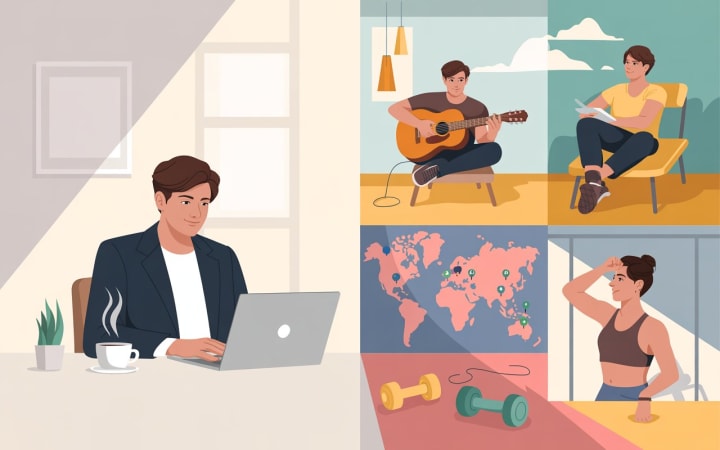
Gen Z watched millennials struggle with burnout culture.
They learned from it.
Instead of glorifying overwork, Gen Z actively sets boundaries. They value:
- Fixed working hours
- Paid time off
- Mental health days
- Flexible schedules
Work-life balance is not a reward for Gen Z.
It is a basic expectation.
Many Gen Z employees openly discuss stress, anxiety, and exhaustion. They normalize conversations that were once considered taboo in professional environments.
Companies that ignore this shift often face high employee turnover among younger workers.
3. Remote Work and Flexibility Define Modern Careers

Gen Z grew up in a digital-first world.
For them, location does not define productivity.
Remote work, hybrid models, and digital nomad lifestyles align perfectly with Gen Z values. They want:
- The freedom to work from anywhere
- Control over their daily routines
- Reduced commuting stress
The pandemic accelerated this shift, but Gen Z made it permanent. Many refuse roles that require full-time office presence unless there is a strong reason.
This generation sees work as something you do, not a place you go.
4. Purpose and Values Matter More Than Job Titles
Gen Z actively evaluates employers based on values.
They care about:
- Social responsibility
- Diversity and inclusion
- Environmental impact
- Ethical leadership
A high-ranking title means little if the company’s values do not align with their own. Gen Z prefers organizations that stand for something beyond profit.
This explains why younger employees often choose startups, social enterprises, or creator-led businesses over traditional corporate giants.
5. Hustle Culture Is Being Rejected
Hustle culture once dominated social media.
Work harder.
Sleep less.
Grind nonstop.
Gen Z is pushing back.
They recognize that constant hustle leads to burnout, not fulfillment. Instead, they promote:
- Sustainable productivity
- Rest as part of success
- Balanced ambition
Many Gen Z creators openly discuss taking breaks, slowing down, and prioritizing mental health. Success, for them, is long-term stability rather than short-term exhaustion.
6. Side Hustles Are Tools, Not Identities
Gen Z loves side hustles, but with a different mindset.
Unlike earlier generations that tied self-worth to productivity, Gen Z uses side hustles as:
- Creative outlets
- Skill-building opportunities
- Financial safety nets
They do not believe every hobby must be monetized. A side hustle is optional, not mandatory. This reflects a healthier relationship with work and personal interests.
7. Mental Health Is Central to Career Decisions
Gen Z is the most mental-health-aware generation in history.
They actively choose jobs that:
- Offer mental health benefits
- Encourage open communication
- Avoid toxic work environments
Burnout, anxiety, and depression are openly discussed. Leaving a job for mental well-being is not seen as weakness. It is seen as self-respect.
This shift forces employers to rethink management styles, workloads, and company culture.
8. Success Is Personal, Not Socially Defined
Social media exposed Gen Z to endless comparisons.
Instead of competing, many choose personalization.
Success now looks different for everyone:
- A flexible freelance career
- A stable 9–5 with free evenings
- A creative business
- A slow, intentional lifestyle
Gen Z defines success internally rather than chasing societal approval. This mindset reduces pressure and increases long-term satisfaction.
9. What This Means for the Future of Work
As Gen Z becomes the dominant workforce, workplaces will continue to evolve.
Future trends include:
- Results-based performance instead of hours worked
- Increased focus on well-being
- Flexible career paths
- More creator and freelance economies
Companies that adapt will thrive.
Those that resist will struggle to attract young talent.
Conclusion
Gen Z is not lazy.
They are intentional.
They are redefining success as balance, purpose, and well-being. They are building careers that support life, not consume it. This shift challenges outdated systems and creates healthier, more sustainable ways of working.
The future of success is not louder hustle.
It is smarter balance.
And Gen Z is leading the way.
About the Creator
Artical Media
my name is Neeru Verma+++
I am from Delhi In India.
I Working from Last Year Content Writing & Artical Writing.
Thank you.
For Reading My Articals.
Visit My Store:DIGIMARTS.redbubble.com
Keep reading
More stories from Artical Media and writers in Humans and other communities.
Sex in the Digital Age:
In today’s digital age, the way we experience and engage with relationships, sex, and intimacy has drastically evolved. The advent of online dating platforms and the rise of sexting have transformed the way we connect with others, leading to both exciting opportunities and new challenges. While these technological advances have made it easier to meet people and explore sexual desires, they also raise important questions about privacy, consent, and safety. This article explores how to navigate online dating and sexting safely, ensuring that our digital experiences remain positive, respectful, and secure.
By Artical Media10 months ago in Humans
Traci Melchor: Husband, Movies and TV Shows, Children, Illness, Career & More
Traci Melchor is a well-known Canadian television personality, entertainment reporter, and co-host of The Social on CTV. With her vibrant energy, infectious laugh, and fearless interviewing style, Traci has become one of Canada’s most beloved media figures.
By Enoch Sagini7 days ago in Humans




Comments
There are no comments for this story
Be the first to respond and start the conversation.