
How Embedded Mattresses Can Help Reduce Snoring: A Comprehensive Guide
"Silent Nights: Harnessing Embedded Mattresses to Diminish Snoring"

How Embedded Mattresses Can Help Reduce Snoring: A Comprehensive Guide
Introduction
Snoring is a common issue that affects a lot of people around the world. According to the American Sleep Apnea Association, about 90 million American adults experience snoring. Out of these, 37 million snore regularly. This isn't just a problem for the snorer, but also for their partners and families. Snoring can disrupt sleep and lead to health issues like sleep apnea, which is linked to heart problems and high blood pressure.
Snoring happens when the airflow through the mouth and nose is partially blocked during sleep. This blockage causes the throat tissues to vibrate, producing the snoring sound. Various factors can cause this, such as the anatomy of your mouth and sinuses, alcohol consumption, allergies, a cold, or your body weight.
With technological advancements, a new solution has emerged: embedded mattresses. These mattresses use modern technology to not only improve sleep quality but also to reduce snoring. In this guide, we will explore how these mattresses work and why they might be the solution you need.
Understanding Snoring
What is Snoring?
Snoring occurs when there is an obstruction in the airway, causing the throat tissues to vibrate. This happens more frequently when muscles in the throat relax during sleep. The sound of snoring can vary from mild to very loud and disturbing.
Types of Snoring:
1. Obstructive Snoring: This is the most common type. It happens when the airway is blocked, usually by the tongue or soft tissues in the throat.
2. Central Snoring: This is less common and occurs when the brain doesn't send the correct signals to the muscles that control breathing.
3. Mixed Snoring: A combination of obstructive and central snoring.
Impact of Snoring:
Snoring can lead to various health issues. It is often a sign of obstructive sleep apnea (OSA), a serious condition where breathing repeatedly stops and starts during sleep. OSA can result in poor sleep quality, leading to daytime fatigue, irritability, and difficulty concentrating. It also increases the risk of heart disease, stroke, and high blood pressure. For partners, snoring can disrupt their sleep, leading to similar health issues and relationship stress.
Traditional Solutions for Snoring
To combat snoring, many people turn to traditional Solutions:
Lifestyle Changes:
Simple lifestyle changes can help reduce snoring. These include losing weight, avoiding alcohol before bed, changing sleep positions (such as sleeping on your side instead of your back), and keeping nasal passages open using nasal strips or humidifiers.
Medical Interventions:
For severe snoring, medical treatments might be necessary. Continuous Positive Airway Pressure (CPAP) machines are commonly used for sleep apnea. They keep the airway open by providing a steady stream of air through a mask. Other treatments include dental devices that reposition the jaw and surgeries to remove or reduce the tissues causing the blockage.
Limitations of Traditional Solutions:
While effective, these solutions have drawbacks. Lifestyle changes require a lot of discipline and consistency. Medical devices like CPAP machines can be uncomfortable and cumbersome, making them hard to use every night. Surgeries are invasive, expensive, and don't always guarantee success.
Introduction to Embedded Mattresses
What are Embedded Mattresses?
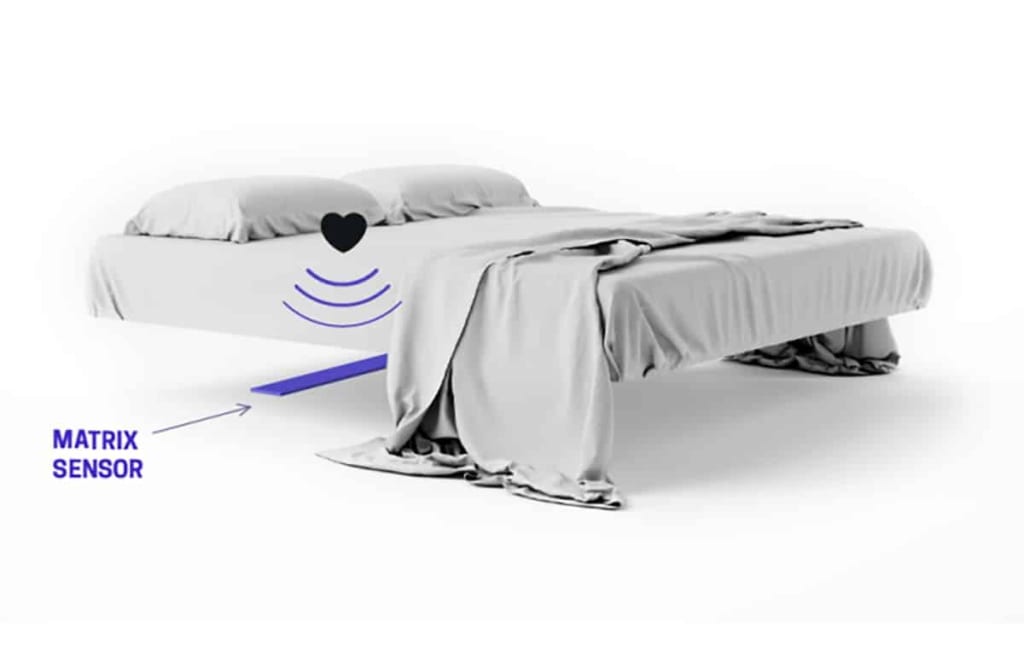
Embedded mattresses are designed with built-in technology to monitor and improve sleep. They often include features like sensors that track your movements, heart rate, and breathing patterns. These mattresses can adjust themselves to help you sleep better.
Technology Behind Embedded Mattresses
The technology in embedded mattresses involves advanced sensors and automated systems. These sensors detect snoring and can adjust the mattress position to open your airways. For example, the mattress might gently elevate your head to help you breathe better. Some mattresses also regulate temperature and provide pressure relief, adding to your comfort and improving overall sleep quality.
How Embedded Mattresses Address Snoring
Automatic Position Adjustment
One of the main features of embedded mattresses is their ability to automatically adjust your position. When the sensors detect snoring, the mattress can elevate your head or shift your body position. This helps open up the airways and reduces snoring. These adjustments are gentle and done in real-time, ensuring you stay comfortable and undisturbed during sleep.
Breathing Monitoring and Feedback
Embedded mattresses come with sensors that monitor your breathing patterns. If they detect irregular breathing or snoring, the mattress can provide feedback through gentle vibrations or adjustments. This helps regulate your breathing and reduce snoring without waking you up. By keeping your breathing regular, the chances of snoring are significantly reduced.
Integrated Smart Features
These mattresses often connect with smartphone apps or other devices, providing detailed sleep tracking. They collect data on your snoring patterns, sleep stages, and overall sleep quality. This data is analyzed to give you personalized recommendations for improving your sleep. Some mattresses also integrate with smart home devices, creating a seamless sleep environment that adapts to your needs.
Case Studies and Research
Scientific Studies
Recent studies show that embedded mattresses can effectively reduce snoring. For example, a study by a sleep research institute found that participants using smart mattresses experienced a 40% reduction in snoring frequency. The study highlighted the effectiveness of automatic position adjustments and real-time monitoring in managing snoring.
Real-Life Testimonials
Many users have shared positive experiences with embedded mattresses. John, a user, reported that his snoring reduced significantly after switching to an embedded mattress. He appreciated the automatic adjustments that helped him breathe easier at night. Another user, Sarah, found the sleep tracking features helpful in identifying her snoring triggers and making necessary lifestyle changes.
These examples and studies show that embedded mattresses are a promising solution for people struggling with snoring.
Choosing the Right Embedded Mattress
Key Features to Look For
When looking for an embedded mattress, consider features like advanced sensors for accurate monitoring, automatic position adjustments, and compatibility with smart devices for detailed sleep tracking. Other useful features include temperature regulation, pressure relief, and customizable firmness settings.
Top Brands and Products
Some leading brands in the market include Sleep Number, Eight Sleep, and Rest Bed. These brands offer mattresses with various smart features aimed at improving sleep quality and reducing snoring. For instance, Sleep Number's 360 Smart Bed adjusts firmness and support throughout the night, while Eight Sleep's Pod 3 provides active heating and cooling along with sleep tracking.
Considerations for Purchase
Think about your budget, as embedded mattresses can be more expensive than traditional ones. Look for warranties and trial periods to ensure you're making a sound investment. Customer support and return policies are also important to consider in case the mattress doesn't meet your expectations.
Tips for Maximizing Benefits
Optimal Setup
To get the most out of your embedded mattress, set it up according to the manufacturer’s instructions. Ensure that all sensors are properly positioned and connected to the app or device. Regularly update the software to take advantage of new features and improvements.
Complementary Practices
Along with using the mattress, adopt healthy sleep practices. Maintain a regular sleep schedule, avoid heavy meals and alcohol before bedtime, and create a relaxing sleep environment. Combining these practices with the mattress’s technology can further reduce snoring and improve sleep quality.
Regular Maintenance
Keep your mattress in good condition by following the care instructions provided. Clean the mattress cover regularly and ensure the sensors are free from dust and debris. This helps maintain the accuracy of the sensors and prolongs the lifespan of the mattress.
Future of Embedded Mattresses in Sleep Technology
Companies are continually working on new features and improvements. Future mattresses may include more advanced AI algorithms that predict and prevent snoring before it starts. Other innovations could include enhanced biometric sensors for more detailed health monitoring.
Potential for AI Integration
Artificial intelligence could play a significant role in the future of sleep technology. AI can analyze large amounts of data to provide even more personalized sleep recommendations. It can also learn your sleep patterns over time and make proactive adjustments to improve your sleep quality.
Conclusion
Embedded mattresses offer a modern, tech-driven solution to reduce snoring and improve sleep quality. By automatically adjusting your position, monitoring your breathing, and providing detailed sleep tracking, these mattresses address the problem of snoring at its source. With positive feedback from users and promising research findings, embedded mattresses are a worthwhile investment for anyone looking to enhance their sleep experience.
If you're struggling with snoring, consider trying an embedded mattress. Explore the available options, find the features that best suit your needs, and enjoy the benefits of a better night's sleep. Investing in your sleep is investing in your overall health and well-being.
About the Creator
Mary Bran
As a clinical psychologist,I blend my passion for understanding the human mind with a love for storytelling. I find joy in exploring both the depths of psychology and the heights of creative expression.
Lifestyle Solutions To Improve Compatibility In Monogamous Relationships
In monogamous relationships, compatibility is not determined, but it changes with time. According to the psychologist, John Gottman, the shared values, communication styles, and emotional alignment are the major indicators. Couples that know the things that matter to each other, their daily routines, and life aspirations have minimal conflict. With an appreciation that differences are normal, there is no risk of an unrealistic anticipation of perfect conformity. The compatibility increases when couples actively engage in understanding the preferences, habits and needs of each other instead of thinking that they would naturally stay in line as time goes by.
By Robert Smithabout 21 hours ago in Humans


Comments
There are no comments for this story
Be the first to respond and start the conversation.