
How E-Invoicing Software Can Transform Your Small Business
E-Invoicing Software
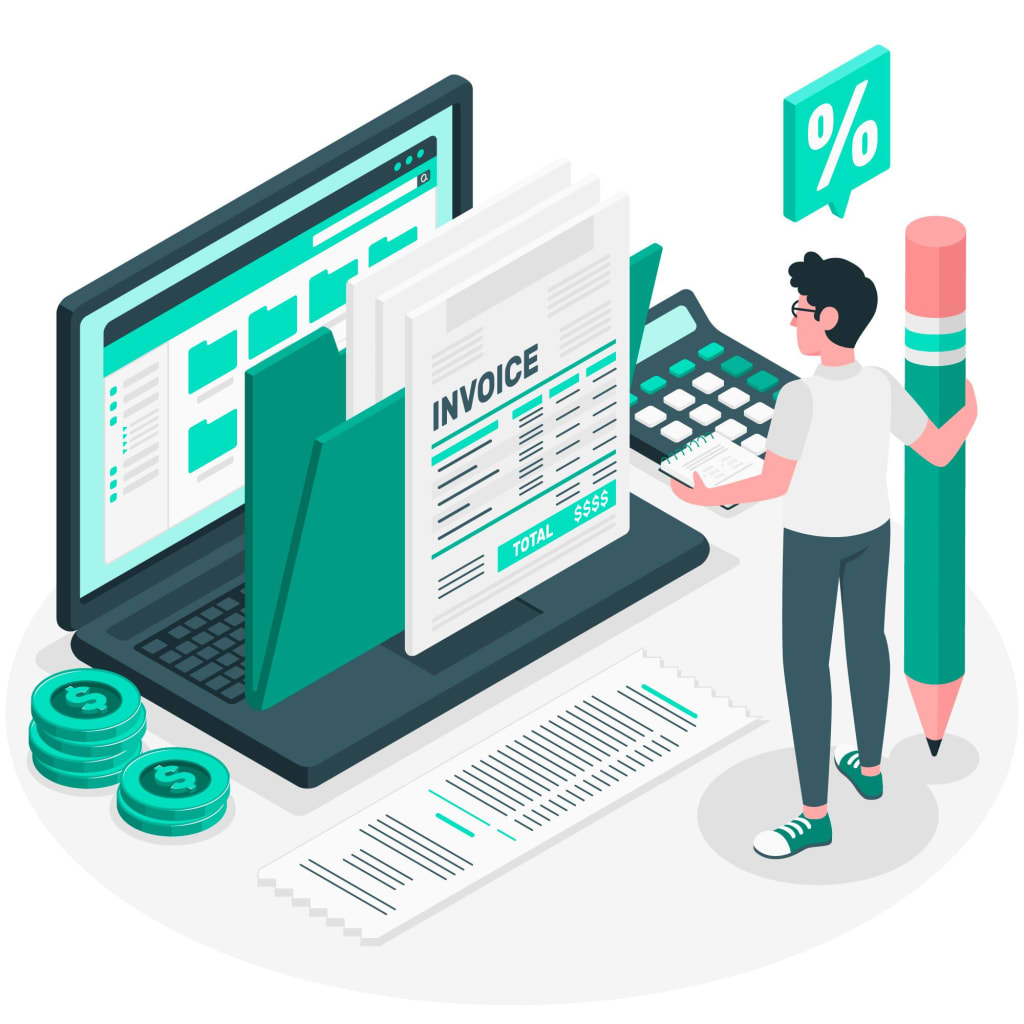
In the current competitive business environment, small enterprises face relentless challenges to enhance efficiency and minimize operational costs. A significant area where numerous small businesses continue to depend on antiquated methods is invoicing. Conventional paper-based invoicing is not only labor-intensive but also susceptible to human error and inefficiency. This is where e-invoicing software plays a pivotal role—an innovative solution that is transforming how businesses manage invoices. By automating and digitizing the entire invoicing workflow, e-invoicing software can streamline operations, augment cash flow, and strengthen customer relationships.
This blog will examine the transformative advantages of adopting e-invoicing software for small businesses, encompassing its key features and benefits.
Introduction: The Necessity of E-Invoicing for Small Businesses
For small businesses, every minute is invaluable, and every dollar saved can lead to substantial impacts. While many organizations still depend on manual invoicing practices, the landscape is rapidly shifting towards digital solutions, positioning e-invoicing as one of the most effective methodologies for businesses aiming to modernize their operations. E-invoicing is not merely a trend; it is evolving into the standard for businesses of all sizes, including small enterprises. Indeed, implementing e-invoicing software can afford your business a competitive advantage, enhancing both efficiency and profitability.
Understanding E-Invoicing and Its Functionality
Essentially, e-invoicing is the process of digitally creating, sending, receiving, and storing invoices. Unlike traditional paper invoices, e-invoices are automatically generated, transmitted, and archived using structured data formats, such as XML or PDF. These electronic invoices are integrated with your accounting systems, ensuring real-time updates and precise record-keeping.
E-invoicing software empowers businesses to effortlessly generate invoices, deliver them directly to clients via email or secure portals, and automatically track payments. By digitizing this process, businesses can conserve time, minimize errors, and facilitate quicker payments. Here’s how it operates:
Invoice Creation: Input relevant details (product, service, pricing, customer information, etc.) into the e-invoicing software. The software automatically produces a professionally formatted invoice.
Sending the Invoice: The invoice is dispatched to the client’s email or transmitted through the software’s secure portal.
Payment Tracking: The software can monitor the invoice’s status and dispatch automated reminders to clients as the due date approaches.
Reporting and Archiving: E-invoices are digitally stored, enabling businesses to access past invoices easily and generate financial reports.
Key Advantages of E-Invoicing for Small Businesses
Enhanced Efficiency and Productivity
The time devoted to manually creating, printing, and mailing invoices can accumulate swiftly. E-invoicing eradicates these repetitive tasks through automation. With e-invoicing software, invoices are automatically created, dispatched, and monitored, allowing business owners and personnel to concentrate on more crucial facets of their operations.
Minimized Risk of Errors and Discrepancies
Manual invoicing is frequently susceptible to inaccuracies, whether due to a typographical error in the client’s name or miscalculation of the total amount owed. E-invoicing software mitigates these errors by utilizing data from your accounting system, guaranteeing that all invoice particulars are precise. This not only augments your company’s credibility but also diminishes the potential for disputes with customers.
Accelerated Payment Processing and Enhanced Cash Flow
A primary advantage of e-invoicing is its capability to hasten the payment process. By automating invoice delivery and offering clients easy payment options, e-invoicing software significantly reduces the time to receipt of payment. Quicker payments translate to improved cash flow, which is essential for small businesses to manage operational costs effectively and reinvest in growth.
Cost Reduction on Paper and Postage
Traditional invoicing incurs expenses related to printing, paper, envelopes, and postage. These costs can accumulate, especially if your business manages numerous invoices. Transitioning to e-invoicing eliminates these expenses, allowing for resource allocation elsewhere. Moreover, e-invoicing minimizes the need for physical storage, as invoices are securely stored in the cloud.
Strengthening Customer Relationships through E-Invoicing
E-invoicing is not solely focused on enhancing internal workflow; it also plays a pivotal role in fortifying relationships with your clients. Here’s how:
Professionalism and Branding: E-invoicing solutions frequently offer customizable templates, enabling businesses to generate branded invoices that appear polished and professional. Tailoring your invoices to reflect your brand elevates your business’s image and fosters trust with your clientele.
Expedited Dispute Resolution: Should discrepancies arise, e-invoicing software facilitates efficient tracking and resolution of issues. Clients can quickly access historical invoices, significantly reducing the time required to address concerns and promoting smoother communication.
Client Convenience: Numerous e-invoicing systems incorporate integrated payment gateways, allowing customers to settle invoices online with just a few clicks. This added convenience simplifies timely payments and minimizes the likelihood of delays.
Essential Features to Consider in E-Invoicing Software
When evaluating an e-invoicing solution, small businesses should prioritize the following features:
Customizable Invoice Templates: Opt for a platform that permits customization of invoice templates to include your company’s logo, color scheme, and design aesthetics.
Seamless Integration: Seek software solutions that integrate with your current accounting, CRM, and ERP systems to guarantee a smooth data flow across all business operations.
Mobile Accessibility: Ensure the software is mobile-responsive, enabling you to manage invoices and monitor payments while on the move.
Automated Payment Reminders: Features that autonomously send reminders to clients regarding overdue invoices help to sustain positive cash flow and reduce the time dedicated to following up on payments.
Cloud-Based Storage: Cloud-based solutions ensure that all your invoices are securely archived and easily retrievable from anywhere, at any time.
The Role of E-Invoicing in Tax Compliance
With constantly changing tax regulations, staying compliant is a significant challenge for small business owners. E-invoicing solutions simplify this process by automatically generating invoices that adhere to legal requirements. By automating tax calculations, the software helps ensure accurate VAT or sales tax charges and produces essential reports for tax submissions.
Moreover, the digital nature of e-invoicing enhances the tracking and storage of financial data, offering a clear audit trail for inspections. This reduces the likelihood of errors during audits and simplifies compliance with tax legislation.
Integrating E-Invoicing into Existing Systems
Embracing e-invoicing does not necessitate a complete restructuring of your existing systems. Many e-invoicing solutions are designed to integrate effortlessly with your current accounting and business management software. This integration guarantees that all invoicing data is updated automatically within your financial records, eliminating the need for manual data entry.
It is essential to train your staff on the software and adjust your processes accordingly to facilitate a smooth transition. Most e-invoicing providers offer training and support to assist you during this adaptation process.
Looking Forward: The Future of E-Invoicing for Small Enterprises
As e-invoicing continues to gain traction, businesses can anticipate further innovations on the horizon. Artificial intelligence (AI) and machine learning are expected to take on larger roles in automating invoice processing, detecting inconsistencies, and improving fraud prevention measures. Additionally, the increasing utilization of mobile devices will enable business owners to manage invoices and payments from any location.
Simplified Tax Compliance and Reporting
E-invoicing software aids businesses in adhering to tax regulations by ensuring that invoices are formatted correctly and include all necessary details. Many e-invoicing platforms automatically compute taxes and produce reports that can be submitted effortlessly to tax authorities. This functionality is particularly beneficial for small businesses that may find tax filing challenging.
Conclusion:
The advantages of e-invoicing software are unmistakable: reduced costs, accelerated payments, improved accuracy, and strengthened customer relationships. For small businesses, these benefits can translate into substantial operational enhancements and greater profitability. By adopting e-invoicing, your company can not only optimize its invoicing procedures but also position itself for success in an increasingly digital landscape.
If you are prepared to boost efficiency, save time, and enhance cash flow, embracing e-invoicing software is a prudent decision that will provide long-term benefits for your enterprise.
About the Creator
Infotech Malaysia
Infotech Malaysia offers the best E-Invoicing Software in Malaysia to help businesses automate their invoicing process, improve compliance, and enhance financial management.
Keep reading
More stories from writers in Humans and other communities.
Time to change your life.
Is it even possible for you to change your life? A lot of people, more than there should be, are unhappy with their lives. But what are they doing about it? Usually nothing. People talk about how shitty their lives are and want change, but are they not taking the actions to change?
By Jen Phillipsabout 11 hours ago in Humans
Instructions Included Challenge Winners
For the Instructions Included challenge, we asked writers to tell a story through instructions and to trust the form to carry what could not be said outright. Across the top entries, that trust paid off in many different ways.
By Vocal Curation Team4 days ago in Resources
Off the Book
It ended like every other stupid idea. Badly, and alone. I’m researching digital confession ethics, he said. A tech ethicist. He gestured at floating data I couldn’t see then pulled out a physical notebook. Actual paper, fountain pen. He held it up like he was showing me scripture.
By Nicky Frankly2 days ago in Fiction




Comments
There are no comments for this story
Be the first to respond and start the conversation.