
How Donating Toys to Orphanages Transforms the Lives of Orphaned Children
By supporting Ace of Hearts, you are not only donating used toys but also giving these children hope, joy, and the chance for a brighter future.
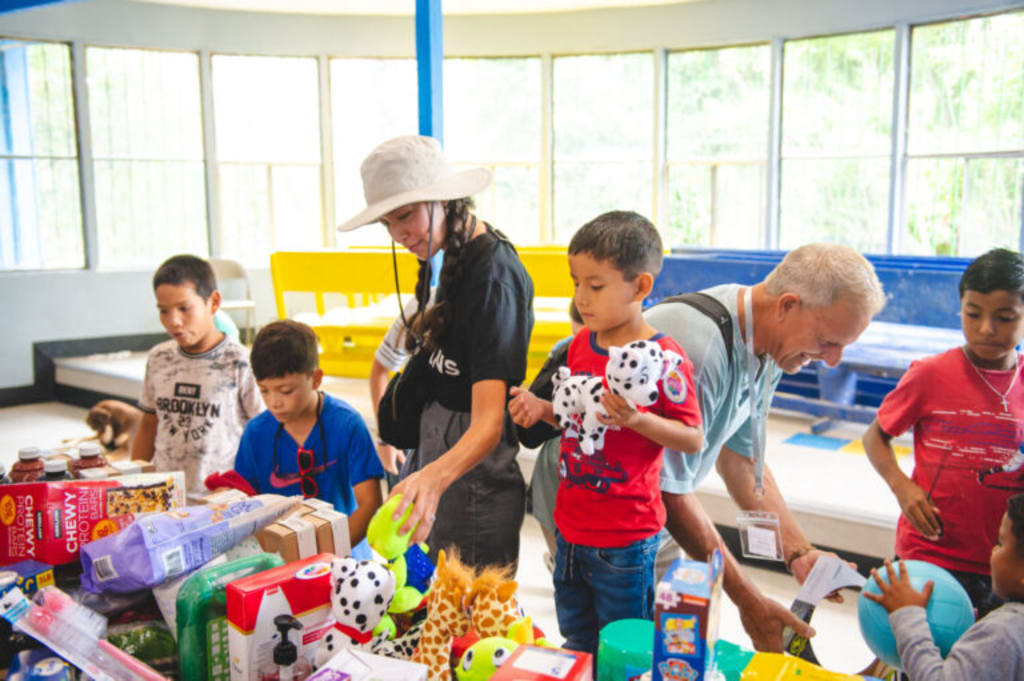
Every year, millions of children around the world are deprived of the joy and innocence that childhood should bring. Orphaned children, in particular, face significant challenges as they navigate life without the love and support of their parents. In such a difficult journey, every act of kindness and generosity can make an immense difference. One of the most impactful gifts that can be offered is donating toys to orphanages, particularly donating used or old toys to charity. While it may seem like a simple gesture, donating to orphanages has the potential to completely transform the lives of these children.
There are deep, lasting effects that giving toys to orphanages can have. The joy it brings to the children, and helps foster their emotional, social, and cognitive growth.
Here are the key advantages of donating toys to orphanages.
The Joy of Play
Children, especially those who are orphaned, often lack the luxury of carefree play that many of us take for granted. Play fosters creativity, discovery, and emotional expression, all of which are essential components of childhood development. For children living in orphanages, access to toys can be a lifeline, offering an escape from the harsh realities of their situation. When you donate old toys to charity, you are not only providing an object but also a source of joy, excitement, and comfort.
For these children, receiving toys can be an experience full of joy and surprise. The sheer happiness of having something to play with can provide them with moments of relief from the hardships they endure. Whether it's a soft teddy bear, a colorful puzzle, or a doll, each toy can become a friend, a companion, or an outlet for their imagination. In a world that often feels cold and unkind, these toys offer warmth, creativity, and companionship.
Emotional Benefits of Donating Toys to Orphanages
When orphaned children receive toys, it’s not just about physical play—it’s about nurturing their emotional well-being. Many of these children may have experienced trauma, loss, or neglect, leading to emotional scars that are not easily healed. Toys can act as emotional outlets, providing these children with a safe way to process their feelings.
For example, children can use dolls or action figures to reenact scenarios they’ve experienced. Thus helping them to understand and express their emotions. This kind of play is therapeutic. As well can also be a powerful way for children to regain a sense of control in their lives. The comfort that a favorite toy provides can help soothe anxiety, alleviate stress, and provide a sense of normalcy in an otherwise chaotic environment.
Additionally, having a toy to hold onto offers children a sense of stability. It can become a treasured possession, giving them something to hold dear when everything else seems uncertain. Whether it’s a stuffed animal they sleep with or a toy car they race around, these objects give children a sense of ownership and self-worth that they might otherwise lack.
Social Benefits of Toy Donations
Donating toys to orphanages is not just a benefit for individual children. It also has a profound impact on their ability to interact with others. Toys help children learn important social skills, such as cooperation, sharing, and problem-solving. When a child receives a toy, they are often motivated to share it with their peers, which fosters social interaction and friendship.
For orphaned children, who may have limited social experiences outside of the orphanage, these interactions are invaluable. By playing with others, children learn how to express themselves, how to negotiate, and how to resolve conflicts. Toys help break down barriers between children and create opportunities for meaningful connections. This is especially important in orphanages, where children may otherwise struggle to form deep, trusting relationships due to their past experiences of loss and abandonment.
Moreover, toys can create a sense of community among the children. They are often used in group settings. Such as playtime or team activities. Where the children can come together, share their toys, and enjoy each other's company. These moments of communal play are vital in helping children develop a sense of belonging and teamwork. However, these are essential skills for their future growth.
Cognitive and Developmental Benefits
Toys are not just fun—they are essential tools for learning and development. For children in orphanages, receiving educational toys can significantly enhance their cognitive development. From simple puzzles to building blocks, these toys help stimulate a child’s brain and support the development of critical thinking, problem-solving, and motor skills.
When children engage with toys, they are actively learning about the world around them. They experiment with sizes, forms, colors, and patterns, all of which enhance their cognitive capacities. For older children, toys like books, board games, or science kits encourage learning in a more structured manner, helping them build knowledge in areas such as language, mathematics, and science.
For orphaned children, who may not always have access to formal education or enriching experiences outside the orphanage, toys become a crucial tool for cognitive development. Children acquire critical life skills and learn how to focus and concentrate through play. Ultimately this can help them succeed academically and socially in the future.
The Power of Giving
In addition to the tangible benefits for children, donating toys to orphanages has the added power of teaching others. Especially children; the value of giving. When individuals donate old toys to charity. They not only help orphaned children but also spread the message of kindness, empathy, and generosity. By modeling charitable behavior, donors inspire others to do the same, creating a ripple effect of goodwill.
Donating toys can also create a sense of connection between communities. Donors, volunteers, and the children receiving the toys can share in the experience. Consequently, knowing that they are all working together to make the world a better place. This shared sense of purpose is a powerful force for positive change. Not just for the orphaned children but for society as a whole.
How You Can Make a Difference
If you’re wondering how you can contribute to transforming the lives of orphaned children, donating your old toys is a simple and impactful way to do so. By donating gently used toys, you can offer these children the gift of play, learning, and emotional support. Many orphanages welcome donations, as they help to supplement their limited resources and provide children with essential items that they might not otherwise have access to.
When we donate gently used toys, be sure to check with the orphanage to ensure the toys are appropriate and in good condition. It’s also helpful to consider donating items that can support the children’s emotional, social, and educational development. Such as books, dolls, board games, and educational toys.
Conclusion:
If you want to make a difference and donate toys to orphanages, organizations like Ace of Hearts offer a wonderful opportunity to contribute. Ace of Hearts works to improve the lives of orphaned children by facilitating donations of toys, clothing, and essential supplies. Their commitment to making the world a better place for vulnerable children ensures that your donation reaches those who need it most.
By supporting Ace of Hearts, you are not only donating used toys but also giving these children hope, joy, and the chance for a brighter future. So, the next time you’re looking to declutter or clear out your old toys. Consider donating them to charity. It could transform the life of a child in ways you may never fully understand.
About the Creator
Ace of Hearts Project
The Ace of Hearts Project, based in Santa Ana, CA, spreads joy by delivering toys to children in need and writing Letters of Love to children in hospitals, promoting care, and seniors in assisted living.
Keep reading
More stories from Ace of Hearts Project and writers in Humans and other communities.
Support Toys Donation Projects: Donate Gently Used Toys in Drop Boxes
Toys have a charming way of bringing joy to children. It sparks imagination, creativity, and endless playtime fun. However, not every toy gets used forever. As kids grow, their interests change. And toys often stay unused or forgotten in corners of homes, closets, or garages. This is where toys donation projects step in, making it easier for you to declutter your home while bringing smiles to other children who need toys. Donating gently used toys not only clears space in your home but also gives children in need the joy of play. Many NGOs rely on your generosity to distribute toys, making a real impact.
By Ace of Hearts Projectabout a year ago in Longevity
Autonomy Is The Real Privilege
Good morning, freedom-seekers! Today we’re gonna be looking at autonomy. A strange word, I know; one many would probably look at blankly and run away from on sight. We’re gonna figure out what it actually means, consider how it’s achieved, and decipher just how deeply most of us are tangled up in dependence without realising it.
By That ‘Freedom’ Guyabout 9 hours ago in Humans



Comments
There are no comments for this story
Be the first to respond and start the conversation.