
How do you maintain a sense of balance when your life is in transition?
Finding Calm Amid Change: Strategies for Staying Grounded.

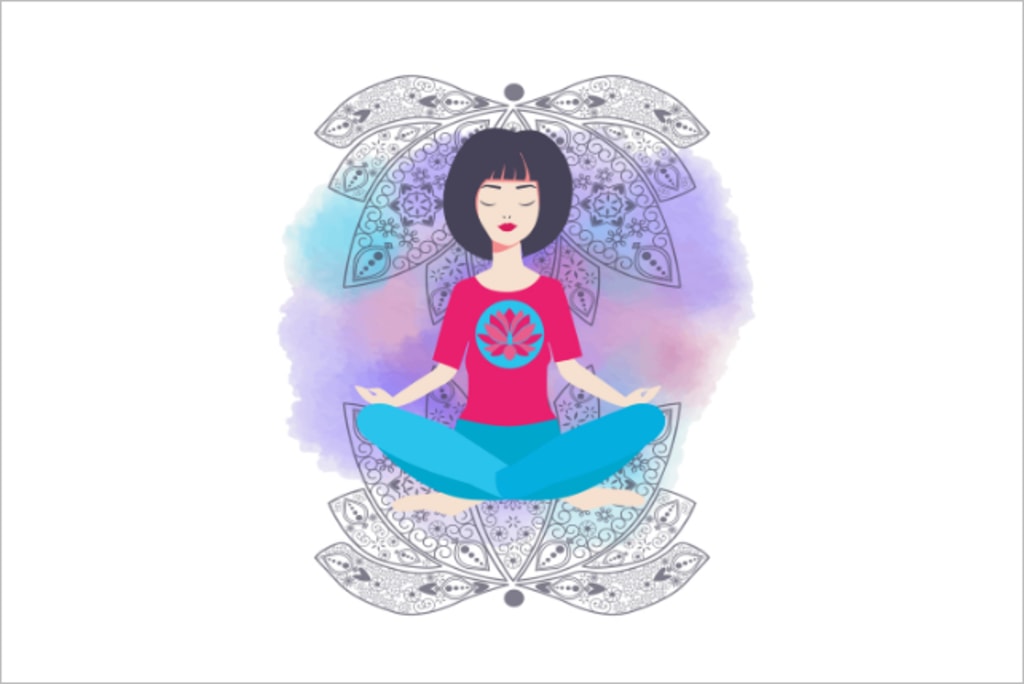
Maintaining a sense of balance during times of transition can be challenging, but it is essential for personal Growth and well-being. Whether you are going through a career change, a shift in personal relationships, moving to a new city, or facing a major life event, transitions often come with uncertainty, emotional upheaval, and stress. However, these transitions can also be a time for self-reflection, new opportunities, and growth. Below are several strategies to help maintain balance during life’s transitions.
Embrace the Change
The first step in maintaining balance during a transition is to embrace the change rather than resist it. Life transitions are often inevitable, and resisting them can cause more stress and anxiety. Instead of focusing on what is being lost, try to focus on the potential opportunities that come with change. Understand that every transition is an opportunity for growth, even if it feels uncomfortable at first.
Establish a Routine
One of the most effective ways to maintain balance during a transition is to establish a routine. When life feels chaotic or uncertain, having a sense of predictability can provide comfort. Routines can bring structure to your day and help you stay grounded. This could include simple activities like waking up at the same time each day, exercising regularly, or setting aside time for self-care. Having a routine can also help reduce anxiety by allowing you to focus on tasks you can control, rather than worrying about things that are outside of your control.
Focus on Self-Care
Taking care of yourself during a transition is crucial for maintaining balance. Transitions can often lead to emotional, physical, and mental exhaustion, so it's important to prioritize self-care. This includes getting enough sleep, eating nutritious meals, and engaging in physical activity. In addition to physical self-care, it's also important to nurture your emotional and mental well-being. Practice mindfulness or meditation to reduce stress, engage in activities that bring you joy, and make time for hobbies or relaxation. By nurturing your mind and body, you’ll be better equipped to handle the challenges that come with transition.
Stay Connected to Your Support System
Transitioning through life’s changes can feel lonely, but having a strong support system can make a significant difference in maintaining balance. Stay connected with friends, family, mentors, or support groups who can offer guidance, encouragement, and empathy during this time. Talking about your feelings with someone you trust can help you gain perspective, process emotions, and alleviate the burden of uncertainty. Being open to receiving help, whether it’s emotional support or practical assistance, can make the transition smoother and less isolating.
Set Realistic Expectations
During times of transition, it’s important to set realistic expectations for yourself. Adjusting to a new phase in life takes time, and you may not immediately feel like you have it all figured out. It’s okay to acknowledge that you’re in a period of adjustment and that it may take time to find your footing. Avoid putting unnecessary pressure on yourself to have everything under control right away. Set small, achievable goals and celebrate the progress you make along the way, no matter how small. Practicing patience with yourself is essential for maintaining emotional balance.
Cultivate a Positive Mindset
A positive mindset can be a powerful tool for maintaining balance during transitions. While it’s natural to feel uncertainty or even fear during change, try to focus on the positive aspects of the transition. Consider what you’ve learned from past transitions and how they have shaped you into a stronger person. Reflect on the growth and opportunities that can arise from this new chapter in your life. Practice gratitude by acknowledging the things in your life that you are thankful for, even amid uncertainty. A positive mindset helps shift your focus away from what you can’t control and toward what you can.
Stay Flexible
Transitions rarely go as planned, and being able to adapt to unexpected changes is key to maintaining balance. While it’s important to have a plan, flexibility allows you to cope with the twists and turns that life throws at you. Be open to reevaluating your goals, adjusting your expectations, and being adaptable to new circumstances. Life often presents new opportunities that you may not have initially considered, and staying open to these possibilities can make the transition feel more manageable.
Seek Professional Help if Needed
If you find that the stress and emotional burden of the transition are overwhelming, it may be helpful to seek professional support. A counselor, therapist, or life coach can help you work through the emotions, doubts, and challenges that arise during transitions. Professional guidance can provide tools for managing stress, building resilience, and maintaining emotional well-being. It’s important to remember that seeking help is a sign of strength, not weakness, and can significantly aid in maintaining Balance during difficult times.
In The End
Life transitions can be some of the most challenging yet transformative experiences. By embracing change, establishing routines, focusing on self-care, and maintaining a support system, you can navigate these periods with greater ease and resilience. Remember to be patient with yourself, set realistic expectations, and stay flexible as you adjust to the new phase in your life. Transitions may be uncomfortable at first, but with time and the right mindset, they can lead to new opportunities for growth, happiness, and personal fulfillment.
About the Creator
Badhan Sen
Myself Badhan, I am a professional writer.I like to share some stories with my friends.
Keep reading
More stories from Badhan Sen and writers in Humans and other communities.
How do you manage changes in your living environment together?
Managing changes in a living environment, whether due to moving to a new home, adjusting to a new community, or experiencing shifts in household dynamics, can be a challenging process for many individuals or families. However, with effective communication, planning, and adaptability, it is possible to navigate these changes successfully together. Here’s a guide on how to manage such transitions as a group, whether it’s a family, roommates, or even a couple:
By Badhan Senabout a year ago in Humans
The CEO of Everything
They say "jack of all trades, master of none," but they forgot to mention the part where the jack of all trades is also the camera woman, the makeup artist, and the person currently yelling at a tangled Wii microphone cable in a her own bathroom while recording herself singing and trying to make it look realistic and professional. (As professional as you can make it with nothing but a cell phone camera and a mic that doesn't work)
By Sara Wilson4 days ago in Humans
Shadow of the Crown
In the heart of the ancient kingdom of Eldoria, where golden spires kissed the clouds and rivers shimmered like molten silver, there lived a dog named Arion. Unlike ordinary dogs, Arion was no mere pet; he was the companion of the royal family, a silent witness to their triumphs, tragedies, and secrets. His coat was a deep, glossy black that reflected the sunlight like polished onyx, and his eyes, a piercing amber, seemed to understand every whispered word and unspoken emotion of those around him. Arion had been born in the royal kennels, a litter of five pups, but even as a young puppy, he showed signs of extraordinary intelligence and loyalty. While the other pups played and tumbled, Arion would sit quietly near the throne room, listening intently to the council meetings and royal discussions. The courtiers joked that he was born to serve the crown, not just the family, and as he grew, this joke turned into truth. The king, a stern yet fair man named King Alaric, noticed Arion’s unique nature. Unlike the other dogs, Arion would sit by his side during state matters, resting his head on the king’s knee during long discussions and accompanying him through the castle corridors with a sense of purpose. Over time, Arion became more than a companion; he became a guardian, a confidant, and a symbol of loyalty that transcended words. It was during the Festival of the Silver Moon that Arion’s loyalty would be tested like never before. Eldoria had long been a peaceful kingdom, but whispers of unrest had begun to echo from the northern borders, where a rival lord, Lord Malric, coveted the throne. He was cunning and ruthless, and many feared that he would strike during the festival, when the city would be crowded with nobles and merchants. King Alaric, aware of the threat, had fortified the palace and strengthened the guards, yet he could not shake a growing unease. Arion sensed it too. On the eve of the festival, the dog patrolled the palace halls tirelessly, sniffing for danger, his tail low and tense, his ears twitching at every unfamiliar sound. That night, Arion had a vision of what could come—a shadow creeping through the halls, a dagger glinting under the torchlight, a scream swallowed by silence. When the festival began, Eldoria’s streets were alive with music, laughter, and the scent of roasted meats and sweet pastries. The nobles danced, children played, and the king presided from the balcony of the royal palace, smiling and waving to his people. Arion, however, remained ever watchful. He slipped through the corridors, his paws silent against the marble floors, his eyes scanning for the slightest hint of danger. It was then that Arion noticed him—a cloaked figure moving with unnatural stealth among the servants. The dog’s hackles rose as the figure approached the throne room. Without hesitation, Arion leapt from the shadows, his growl deep and threatening. The would-be assassin stumbled, surprised by the sudden attack. Arion’s teeth clamped gently, yet firmly, on the cloak, pulling the intruder back from the throne. The king, alerted by the commotion, rushed forward, and the guards quickly restrained the intruder. It was Lord Malric’s most trusted assassin, sent to kill the king and plunge Eldoria into chaos. King Alaric knelt beside Arion, patting his loyal companion’s head. “You have saved Eldoria,” he said, his voice thick with gratitude. “And you have saved me, old friend. No reward could ever match your loyalty.” But Arion’s trials were far from over. That same night, under the cover of darkness, a group of Malric’s soldiers infiltrated the palace. Their goal was simple: kidnap the heir, Princess Liora, and use her as leverage against the king. Arion, sensing danger even before the soldiers reached the princess’s chamber, intercepted them in the long, torch-lit corridor. The battle that followed was one of cunning and courage. Arion was outnumbered, yet he moved with precision, barking loudly to alert the palace guards while fending off the attackers with swift, calculated bites and relentless determination. The soldiers, unprepared for the dog’s ferocity and intelligence, were soon overwhelmed. Arion had managed to protect the princess until reinforcements arrived. Princess Liora, though frightened, knelt beside him, stroking his head. “You are more than a dog,” she whispered. “You are the heart of Eldoria.” From that day on, Arion was no longer seen merely as the royal dog; he became the kingdom’s silent guardian, the protector of the throne, and the symbol of unwavering loyalty. Years passed, and Arion grew older, his movements slower but his spirit undimmed. King Alaric aged, too, and eventually, it was Princess Liora who ascended the throne. Yet Arion remained by her side, guiding her through the challenges of leadership, comforting her during times of doubt, and warning her of dangers before they arrived. Tales of the royal dog spread far and wide, inspiring songs, poems, and paintings, each depicting the black-coated guardian with amber eyes, standing resolutely by the throne. One fateful winter, the kingdom faced its greatest threat: a devastating fire that swept through the castle’s northern wing. Arion, despite his age, ran into the flames, rescuing trapped servants and guiding them to safety, refusing to leave until the last soul was accounted for. By the time the fire was extinguished, Arion was found lying near the royal chambers, exhausted but alive, his coat scorched and his eyes weary yet proud. King Alaric and Queen Liora, tears in their eyes, embraced the dog who had given so much for the kingdom. “You are the soul of Eldoria,” the king said. “And your legacy will never fade.” In honor of his bravery, a statue of Arion was erected in the palace courtyard—a black dog with amber eyes, forever watching over the kingdom. Even in death, Arion’s influence remained. Generations of rulers would come and go, but the story of the royal dog of Eldoria endured. The people spoke of his courage, his intelligence, and his unbreakable loyalty, teaching their children that true nobility was not only in blood and crown but in heart and devotion. And so, Arion’s shadow lingered over the kingdom, not as a ghost of fear, but as a beacon of hope and protection. In every loyal dog, in every act of bravery, in every quiet moment of guardianship, the spirit of Arion lived on—a reminder that sometimes, the most extraordinary heroes wear no crown, speak no words, and serve with a heart that knows no bounds.
By The best writer 2 days ago in Humans


Comments (1)
Another essay on how couples should always be open and straightforward with each other.