
How do you handle the transition of becoming caregivers for each other?
Embracing the Role of Mutual Caregiving

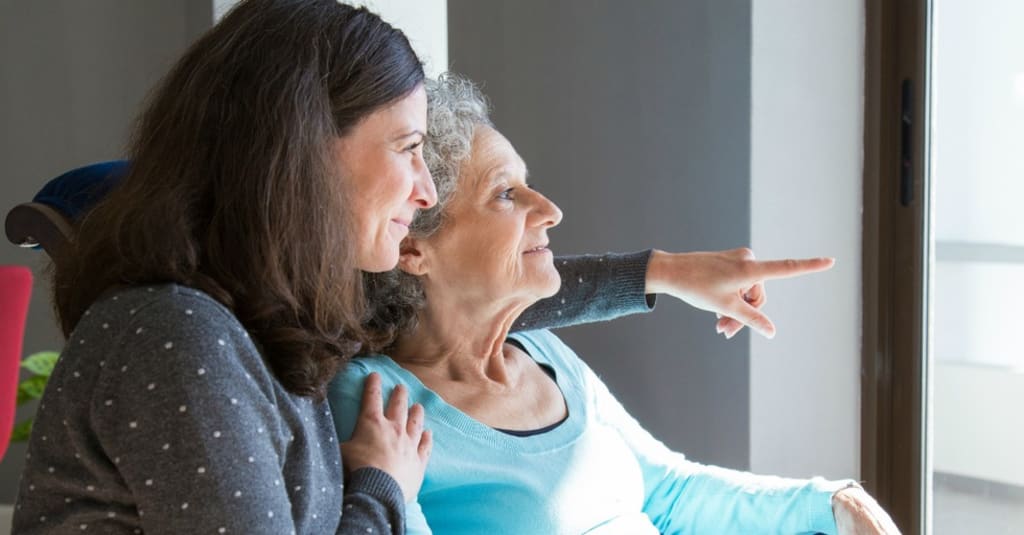
Life often brings unforeseen changes that require us to adapt and evolve. One of the most profound transitions occurs when partners, spouses, or close loved ones become caregivers for each other. This shift can arise due to aging, illness, or unforeseen circumstances, presenting emotional, physical, and logistical challenges. However, with intentional effort, compassion, and communication, this journey can also deepen the bond between individuals.
(I)Understanding the Shift
Caregiving within a mutual relationship is unique because the dynamic shifts from equality to interdependence. Traditionally, relationships involve sharing responsibilities, joys, and struggles. When caregiving becomes central, one person may temporarily or permanently assume a nurturing role. Over time, this role may reverse, especially in situations where both partners experience health challenges or advancing age.
The transition can be sudden, such as after an accident or a diagnosis, or gradual, as one partner begins to struggle with mobility, memory, or other abilities. Regardless of the cause, accepting the new reality is the first step. Recognizing that caregiving does not diminish the love or value in a relationship but rather emphasizes resilience and dedication is key.
(II)Communicating Openly
Open communication is critical during this transition. Both individuals must express their feelings, fears, and expectations. The caregiving partner might worry about burnout or inadequacy, while the care recipient might grapple with feelings of dependency or loss of autonomy.
To Navigate these concerns:
- Schedule regular conversations: Discuss roles, responsibilities, and emotional Being.
- Use "I" statements: Express feelings without blame (e.g., "I feel overwhelmed" instead of "You make things hard").
- Seek understanding: Acknowledge each other's struggles without judgment.
- Clear communication fosters a sense of teamwork and ensures that both parties feel heard and valued.
(III)Setting Boundaries and Balancing Roles
Caregiving is demanding, and setting boundaries is essential to prevent burnout. Even within close relationships, caregivers need space to recharge and maintain their sense of self.
Establish routines: Structure caregiving tasks to avoid feeling overwhelmed.
Delegate when possible: Involve family, friends, or professional help to share responsibilities.
Prioritize self-care: Caregivers should not neglect their physical, emotional, and social needs.
Balancing roles can also mean celebrating moments when the caregiving dynamic fades into the background, and the original relationship reemerges. Watching a movie together, reminiscing, or sharing a meal can help maintain a sense of Normalcy and connection.
(IV)Navigating Emotional Challenges
Caregiving often brings a range of emotions, from compassion and love to frustration and grief. For the caregiver, there might be sadness over the changing dynamic or anger at the situation. The care recipient might feel guilt, embarrassment, or frustration at their dependence.
To address these emotions:
Acknowledge feelings: Accepting emotions as valid is the first step in addressing them.
Seek support: Counseling or support groups can provide a safe space to share experiences.
Practice gratitude: Focus on the positives, such as the opportunity to deepen the bond through shared experiences.
Compassion for oneself and each other can ease emotional challenges and foster mutual understanding.
(V)Adapting to Practical Changes
The logistical aspect of caregiving often involves significant adjustments. This might include managing medications, attending medical appointments, or assisting with daily tasks. Adapting to these changes requires planning and resourcefulness.
Create a care plan: Document tasks, schedules, and emergency procedures to stay organized.
Leverage resources: Explore community services, such as meal delivery or transportation for seniors.
Learn caregiving skills: Attend workshops or online courses to feel more confident in handling medical or physical care needs.
Practical adaptations can also extend to the home environment. Installing grab bars, using assistive devices, or rearranging furniture for accessibility can make caregiving more manageable.
(VI)Finding Joy in the Journey
Despite its challenges, caregiving offers opportunities to nurture the relationship in meaningful ways. Acts of care—like holding hands during a difficult moment or sharing a quiet laugh—can create profound intimacy. Both individuals may discover strengths they didn’t know they had and gain a deeper appreciation for each other.
Focus on connection: Engage in activities that bring joy, like listening to music or telling stories.
Practice mindfulness: Being present in the moment can reduce stress and enhance connection.
In The End
Becoming caregivers for each other is a significant transition that tests and strengthens the bonds of a relationship. While it involves challenges, it also provides an opportunity to grow together in compassion, resilience, and love. By fostering open communication, setting boundaries, addressing emotions, and adapting practically, partners can navigate this journey with grace. Ultimately, caregiving is an expression of profound commitment and serves as a testament to the enduring power of human connection.
About the Creator
Badhan Sen
Myself Badhan, I am a professional writer.I like to share some stories with my friends.
Keep reading
More stories from Badhan Sen and writers in Humans and other communities.
The CEO of Everything
They say "jack of all trades, master of none," but they forgot to mention the part where the jack of all trades is also the camera woman, the makeup artist, and the person currently yelling at a tangled Wii microphone cable in a her own bathroom while recording herself singing and trying to make it look realistic and professional. (As professional as you can make it with nothing but a cell phone camera and a mic that doesn't work)
By Sara Wilson5 days ago in Humans


Comments (1)
This essay would even work for couples who are or may be caring for their parents as well.