
How Beach Wheelchairs Improve Accessibility at the Coast
Empowering Everyone to Enjoy the Shoreline with Inclusive Mobility Solutions
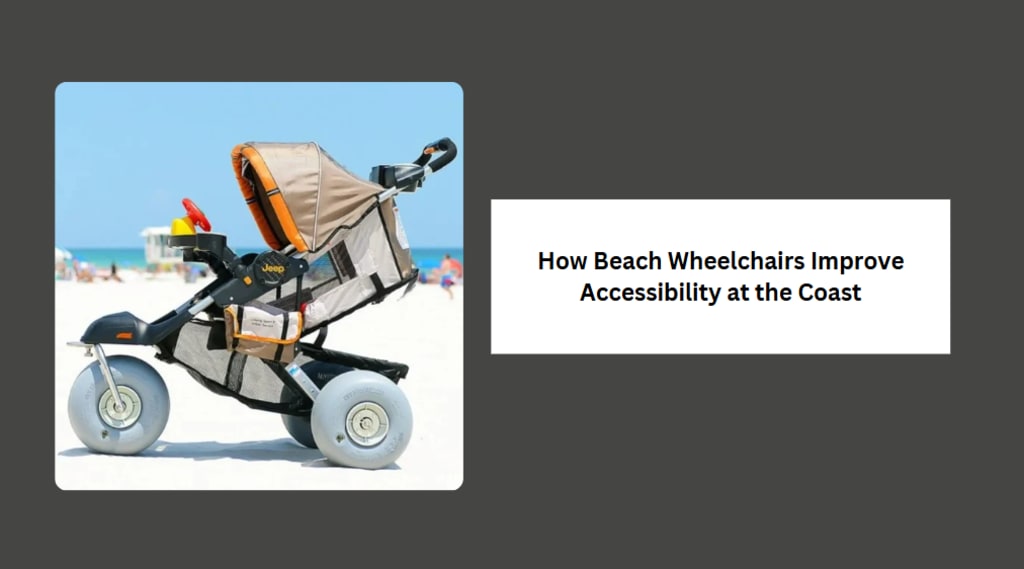
A day at the beach is one of life’s simple pleasures—feeling the sand between your toes, listening to the waves, and enjoying the fresh ocean breeze. But for individuals who use wheelchairs, getting across sandy shores can be a real challenge. That’s where beach wheelchairs come in.
These specially designed mobility devices open up the coast to more people than ever before, ensuring that everyone—regardless of physical ability—can enjoy the beauty of the beach. Whether it’s a family vacation, a romantic sunset, or just a stroll along the shore, beach wheelchairs make it possible.
In this article, we’ll explore what beach wheelchairs are, how they work, and why they’re becoming more common at coastal destinations. We’ll also touch on the benefits of using an electric beach wheelchair and how the best wheelchair seat cushion can add comfort to your beach experience.
What Are Beach Wheelchairs?
Beach wheelchairs are mobility aids specifically designed to handle sandy and uneven terrain. Traditional wheelchairs often struggle on beaches because their narrow wheels sink into the sand, making movement nearly impossible. Beach wheelchairs solve this with large, balloon-like tires that glide over soft surfaces.
Most beach wheelchairs are made with durable, corrosion-resistant materials like aluminum or stainless steel, ensuring they can handle salty air and water exposure. Many are also waterproof and come with reclining features to maximize relaxation while at the shore.
Types of Beach Wheelchairs
There are several types of beach wheelchairs available, each offering different levels of mobility and control:
1. Manual Beach Wheelchairs
These models require someone to push the user. They're lightweight, easy to transport, and often available for rent at public beaches.
2. Electric Beach Wheelchairs
An electric beach wheelchair offers powered mobility on sand, giving the user complete independence. These models are equipped with rugged motors, all-terrain tires, and joystick controls, making it easy to navigate sandy beaches without assistance.
3. Floating Beach Wheelchairs
Some models are even designed to float in shallow water. These are great for users who want to enjoy the ocean safely with supervision.
How Beach Wheelchairs Improve Accessibility
Beach wheelchairs are more than just convenience—they’re about inclusion and equality. Here's how they enhance accessibility:
1. Enable Independence
With options like the electric beach wheelchair, users can travel across sand without needing help. This allows for a more personal, empowering beach experience.
2. Support for Caregivers
Manual models allow caregivers to push users more easily across the beach, removing the heavy physical burden that regular wheelchairs can cause in sandy environments.
3. Access to More Areas
From tide pools and boardwalks to picnic areas and scenic spots, beach wheelchairs make it possible to explore locations that were previously out of reach.
4. Improved Mental Well-Being
Access to natural spaces has been proven to improve mental health. Being able to participate in beach activities can reduce feelings of isolation and elevate mood for people with limited mobility.
Who Can Benefit from Beach Wheelchairs?
Beach wheelchairs are ideal for:
- People with spinal cord injuries
- Seniors with limited walking ability
- Individuals recovering from surgery
- People with muscular disorders or joint pain
- Children or adults with developmental disabilities
Anyone with reduced mobility can benefit from a beach wheelchair, even temporarily during recovery.
Why Electric Beach Wheelchairs Are a Game Changer
If you’re looking for independence and power, an electric beach wheelchair is a top choice. Here’s why:
- No need for assistance: You can control it with a joystick or buttons.
- Tackles rough terrain: Built to handle sand, dirt trails, and uneven ground.
- Battery-powered: Rechargeable batteries last several hours, allowing for long beach visits.
- Sturdy and reliable: Most models come with heavy-duty frames and tires built to last.
Though they are pricier than manual options, the freedom they provide is unmatched.
Finding the Right Fit: What to Look For in a Beach Wheelchair
When choosing a beach wheelchair, keep the following in mind:
1. Tire Type
Look for large, balloon-like tires that can float on sand instead of sinking in. Some models even have puncture-resistant or inflatable tires.
2. Frame Material
Stainless steel or aluminum frames are resistant to saltwater corrosion and will last longer in coastal environments.
3. Seat Comfort
Since beach days can be long, comfort is essential. Choose a chair with padded seating, or upgrade with the best wheelchair seat cushion to reduce pressure and improve posture.
4. Transportability
Consider how easily the chair folds or disassembles for storage and travel. Lightweight models are easier to move but may not support all terrain types.
5. Weight Capacity
Always check the weight limit to ensure safety and stability for the user.
Add-On Accessories for a Better Beach Experience
Many beach wheelchairs can be customized with features that enhance the user's comfort and safety:
- Canopies or umbrellas for sun protection
- Storage baskets for carrying beach items
- Seatbelts and harnesses for added safety
- Reclining backrests for improved relaxation
- Custom seat cushions – Investing in the best wheelchair seat cushion can greatly improve comfort, especially for longer beach visits. Look for cushions made of memory foam or gel for cooling and pressure relief.
Are Beach Wheelchairs Available at Public Beaches?
Yes! Many public beaches across the U.S. now offer beach wheelchair rentals free of charge. These are typically manual chairs available at visitor centers, lifeguard stations, or beach access points.
Some locations also offer electric beach wheelchair rentals for a fee or by reservation. If you’re planning a beach trip, call ahead or check the local beach website to see what options are available.
Tips for a Safe and Enjoyable Beach Visit
- Plan ahead: Confirm availability of accessible parking and beach access routes.
- Bring shade and hydration: Especially important for hot summer days.
- Use sunscreen: Even short exposure can lead to sunburn.
- Clean after use: Rinse the chair with fresh water to prevent corrosion from salt and sand.
- Pack extras: Cushions, blankets, and towels can improve comfort and enjoyment.
Final Thoughts
Beach wheelchairs are more than just a mobility tool—they’re a gateway to inclusion, joy, and freedom. Whether you're looking for a manual model for occasional use or a high-powered electric beach wheelchair for full independence, the right equipment can transform your coastal experience.
Pair your beach chair with the best wheelchair seat cushion to stay comfortable all day long. With more beaches embracing accessibility, now is the perfect time to rediscover your love for the ocean.
Ready to enjoy the waves?
Find the perfect beach wheelchair today and make your next beach day better, smoother, and truly accessible—for everyone.
About the Creator
Keep reading
More stories from writers in Humans and other communities.
The CEO of Everything
They say "jack of all trades, master of none," but they forgot to mention the part where the jack of all trades is also the camera woman, the makeup artist, and the person currently yelling at a tangled Wii microphone cable in a her own bathroom while recording herself singing and trying to make it look realistic and professional. (As professional as you can make it with nothing but a cell phone camera and a mic that doesn't work)
By Sara Wilson7 days ago in Humans
What to Expect From Intensive Outpatient Care for Recovery Support
Recovery is a process that requires consistency, structure, and the right level of professional support. For many individuals, intensive outpatient care offers a balanced approach that provides clinical treatment while allowing them to continue daily responsibilities. Understanding what this level of care includes can help people feel more prepared and confident when starting treatment.
By Jordan Blake4 days ago in Humans
🅼🅸🅳🅽🅸🅶🅷🆃 🆂🅽🅰🅲🅺🆂
"It's 10 in Tuscon! We all know what that means... It's Time for Midnight Snacks with your man, Gerald Gee! Ready to spend the night together? Me too! I'm full of snacks and can't wait to regurgitate them all back into your hungry ears. Crack a brew! Pop some corn! Anything to get ready for one hell of a show where the talk maybe cheap but the words cut deep...
By Lamar Wiggins2 days ago in Fiction
Thoughts on Vocal and the way the world is
"Death cannot stop true love, only delay it." – Wesley in The Princess Bride. I decided to come back to Vocal on a very cold and dark night at the end of December. I had been, and still am, convalescing from a horrible staph infection that had gone misdiagnosed for months. This, paired with the increasing challenges of being healthy, making the best choices for my co-parented child, being a wife, and being a director at a new job, was a lot to manage.
By Jazzy 6 days ago in Confessions


Comments
There are no comments for this story
Be the first to respond and start the conversation.