

Holi, also known as the Festival of Colors, is a Hindu festival that celebrates the arrival of spring and the triumph of good over evil. This article explores the origins and cultural significance of Holi, as well as the ways in which it is celebrated around the world.
The Origins of Holi
Holi has its roots in ancient Hindu mythology, and is believed to have originated as a celebration of the love between the god Krishna and his consort Radha. Holi has its roots in ancient Hindu mythology and is believed to have originated as a celebration of the love between the god Krishna and his consort Radha. The story goes that as a young boy, Krishna was self-conscious about his blue skin color and worried that Radha would not accept him. His mother, Yashoda, advised him to smear Radha's face with colored powder to make her look like him. Krishna did as he was told and Radha was charmed by his playful gesture, and thus the tradition of throwing colored powders during Holi was born.
Another popular legend associated with Holi is the story of Prahlad, a young prince who refused to worship his father, the demon king Hiranyakashipu, and instead devoted himself to Lord Vishnu. When the king learned of his son's devotion to Vishnu, he tried to kill him in various ways, but failed each time due to divine intervention. Finally, the king's sister, Holika, who had a boon that made her immune to fire, tricked Prahlad into sitting on her lap on a burning pyre. But as the flames engulfed them, it was Holika who burned to ashes while Prahlad emerged unscathed. This event is commemorated during Holi with the burning of Holika, a bonfire that symbolizes the triumph of good over evil.
Over time, Holi became a popular festival among all castes and communities, and its traditions and customs evolved to reflect the regional and cultural diversity of India. Today, Holi is celebrated by people of all ages and backgrounds, and has become an important part of the country's cultural heritage.
"Let the colors of Holi spread the message of peace and happiness in your life."
Historical origins of Holi
Holi has its roots in ancient India, and its exact historical origins are not entirely clear. However, it is believed to have been a festival that marked the end of winter and the arrival of spring. The festival's origins can be traced back to various ancient Hindu texts, including the Vedas, Puranas, and epics like the Ramayana and Mahabharata.
The festival's association with colors and joy is believed to have originated from the ancient practice of worshipping the Hindu god of love, Kamadeva, who is depicted as carrying a bow and arrows tipped with flowers. Kamadeva was believed to have the power to ignite desire and love in the hearts of people, and his worship was thought to bring fertility, prosperity, and happiness.
The use of colored powders during Holi is believed to have originated from the ancient practice of using herbal colors and perfumes made from flowers and herbs to decorate the deities in temples. The practice of smearing colored powders on each other during Holi is said to have originated from the tradition of Radha and Krishna, as described in Hindu mythology.
Over time, Holi evolved to include other customs and traditions, such as the lighting of bonfires, singing and dancing, feasting, and exchanging sweets and gifts. The festival's significance also expanded to include the triumph of good over evil and the destruction of evil forces.
Today, Holi is celebrated throughout India and in many parts of the world by people of all ages and backgrounds. It is a time of joy, laughter, and celebration, and continues to hold a significant place in the hearts and minds of people everywhere.
"The story of Holi goes back to Hindu mythology, where it is said to have originated as a celebration of love and fertility."
The Significance of Holi
In addition to celebrating the arrival of spring, Holi is also seen as a time to forgive and forget past grievances, and to come together in unity and brotherhood. The burning of Holika, a demoness who represents evil, is another important aspect of Holi, as it symbolizes the triumph of good over evil. Holi has many connections to other festivals in India, both in terms of the traditions and customs associated with the festival and the underlying significance and meaning. Here are some examples:
Basant Panchami :
Basant Panchami is another spring festival celebrated in India, which marks the beginning of the season of spring. Just like Holi, Basant Panchami is associated with the colors yellow and green, which are symbolic of new beginnings and fresh starts.
Diwali :
Diwali is one of the most important festivals in India, and like Holi, it celebrates the triumph of good over evil. Diwali also involves the lighting of lamps and the exchange of sweets and gifts, much like Holi.
Navaratri :
Navaratri is a nine-day festival that celebrates the victory of the goddess Durga over the demon Mahishasura. Holi also has connections to Durga, as the festival is believed to have originated from the worship of the goddess in ancient times.
Baisakhi :
Baisakhi is a harvest festival celebrated in the northern parts of India, and like Holi, it is associated with the color yellow. Baisakhi also involves singing and dancing, much like the celebrations during Holi.
Eid :
Eid is a Muslim festival that marks the end of the holy month of Ramadan. Holi and Eid are both festivals of joy and celebration, and they bring people of different communities and religions together.
Overall, the connection between Holi and other festivals in India is a testament to the rich cultural heritage of the country and the diversity of its people. These festivals are a reminder of the importance of unity and togetherness, and they bring people together to celebrate the joys of life.
"Holi is a time to forget old grudges and come together in the spirit of unity and brotherhood."
Holi Celebrations Around the World
Although Holi is most commonly associated with India, it is celebrated in various ways in many other parts of the world as well. For example, in Nepal, Holi is known as Fagu Purnima and is celebrated over the course of a week. In Trinidad and Tobago, Holi is celebrated as a national holiday and is known as Phagwah. Holi is a festival celebrated by Hindus around the world, and its popularity has led to its adoption by many non-Hindu communities as well. Here are some examples of how Holi is celebrated in different parts of the world:
India :
Holi is celebrated throughout India with great fervor and enthusiasm. People splash each other with colored powders and water, sing and dance to traditional music, and enjoy festive foods.
Nepal :
Holi is known as Fagu Purnima in Nepal, and it is celebrated with similar enthusiasm as in India. In addition to playing with colors, people in Nepal also enjoy throwing water balloons and colored water at each other.
Trinidad and Tobago :
Holi is a national holiday in Trinidad and Tobago, where it is celebrated with great enthusiasm by the Hindu community. The celebrations include parades, dancing, and traditional music.
Mauritius :
Holi is a public holiday in Mauritius, where it is celebrated with great fanfare. The celebrations include playing with colors and water, feasting, and dancing to traditional music.
United States :
Holi is celebrated by the Indian diaspora in the United States, with events organized by various Indian-American organizations. The celebrations include playing with colors, traditional Indian food, and cultural performances.
United Kingdom :
Holi is celebrated by the Indian community in the United Kingdom, with events organized in major cities such as London, Manchester, and Birmingham. The celebrations include playing with colors, traditional Indian food, and cultural performances.
Overall, Holi is celebrated in different parts of the world with great enthusiasm and is an occasion for people to come together, regardless of their cultural and religious backgrounds, to celebrate joy, love, and togetherness.
"Holi is not just celebrated in India; it is a global festival that is observed in many different cultures and communities."
Holi Food and Drink
Many traditional foods and beverages are associated with Holi, such as thandai (a milk-based drink with nuts and spices) and gujiya (a sweet pastry filled with dried fruits and nuts). These foods are often shared among family and friends during Holi celebrations. Holi is a festival that is celebrated with great joy and enthusiasm, and food and drink play an important role in the celebrations. Here are some of the popular Holi foods and drinks:
Gujiya :
Gujiya is a sweet dumpling that is filled with khoya, coconut, and dry fruits. It is a popular Holi sweet and is enjoyed by people of all ages.
Dahi Bhalla :
Dahi Bhalla is a popular snack made with fried lentil balls that are soaked in yogurt and served with tamarind and mint chutney. It is a refreshing and delicious snack that is perfect for Holi.
Thandai :
Thandai is a popular Holi drink made with a mixture of milk, nuts, and spices such as cardamom, fennel, and saffron. It is a refreshing and energizing drink that is perfect for the hot weather during Holi.
Bhang :
Bhang is a cannabis-infused drink that is popular during Holi. It is made with a mixture of milk, sugar, and cannabis paste, and is known for its relaxing and euphoric effects.
Pakoras :
Pakoras are a popular snack made with vegetables such as potatoes, onions, and cauliflower, coated in a batter made with chickpea flour and deep-fried until crispy. They are perfect for snacking during Holi celebrations.
Chaat :
Chaat is a popular street food that is made with a mixture of crispy fried dough, chickpeas, potatoes, and tamarind chutney. It is a flavorful and spicy snack that is perfect for Holi.
Overall, Holi food and drink are an integral part of the celebrations, and people enjoy a variety of sweet and savory dishes and drinks that are perfect for the festive occasion.
"Food is an important part of Holi celebrations, and many traditional dishes are associated with the holiday."
Holi Music and Dance
Music and dance are a big part of Holi celebrations, with many traditional songs and dances associated with the holiday. For example, the bhangra dance form is often performed during Holi, as is the dandiya dance in some parts of India. Music and dance are an integral part of Holi celebrations, and there are several traditional songs and dances that are performed during the festival. Here are some of the popular Holi music and dance forms:
Bhangra :
Bhangra is a traditional dance form from Punjab, and it is often performed during Holi. The dance is accompanied by energetic drum beats and is known for its lively and festive vibe.
Dandiya Raas :
Dandiya Raas is a traditional folk dance form from Gujarat, and it is often performed during Holi. The dance involves the use of colorful sticks, and dancers move in a circular formation, tapping their sticks together in rhythm.
Holi songs :
There are several traditional Holi songs that are sung during the festival, such as "Rang Barse" and "Holi Ke Din". These songs are often accompanied by traditional musical instruments such as the dhol and tabla.
Garba :
Garba is a traditional folk dance form from Gujarat, and it is often performed during Holi. The dance involves circular movements, and dancers wear colorful clothes and jewelry.
Lavani :
Lavani is a traditional folk dance form from Maharashtra, and it is often performed during Holi. The dance is known for its energetic movements and lively music.
Bihu :
Bihu is a traditional folk dance form from Assam, and it is often performed during Holi. The dance involves energetic movements and is accompanied by traditional musical instruments such as the dhol and pepa.
Overall, Holi music and dance are an important part of the celebrations, and people of all ages come together to dance and sing, creating a joyous and festive atmosphere.
"Holi celebrations are incomplete without music and dance, which are an integral part of the festivities."
About the Creator
Autonomy Is The Real Privilege
Good morning, freedom-seekers! Today we’re gonna be looking at autonomy. A strange word, I know; one many would probably look at blankly and run away from on sight. We’re gonna figure out what it actually means, consider how it’s achieved, and decipher just how deeply most of us are tangled up in dependence without realising it.
By That ‘Freedom’ Guya day ago in Humans
An Attempt to Break People’: Bucha Holds Out Amid Russia’s Weaponisation of Winter
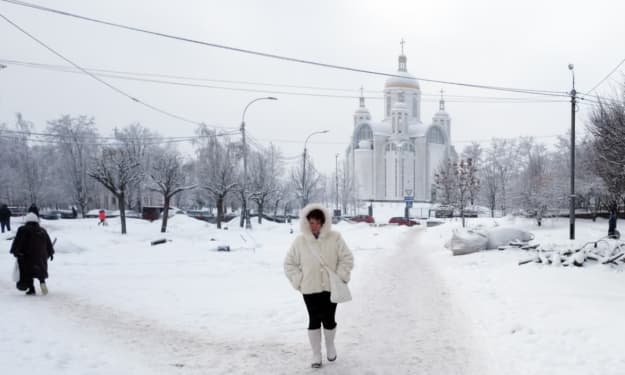
After four years of conflict, the city that became infamous in 2022 for the atrocities of Russian occupation is facing a different kind of battle. This time, the enemy is winter, weaponised by deliberate attacks on power grids, heating systems, and basic infrastructure. For residents, survival has become a daily struggle — and a test of resilience. Bucha’s Legacy of Survival Bucha is no stranger to suffering. During the early months of Russia’s invasion, the world was horrified by images of civilian massacres, abandoned homes, and streets lined with the evidence of violence. The city became a symbol of wartime atrocity. Now, though the guns have quieted somewhat, a new kind of pressure is emerging. Russian forces have deliberately targeted energy infrastructure, knowing that winter’s arrival would magnify the damage. Power plants, heating systems, and water facilities have been hit, leaving homes dark and cold, hospitals under strain, and schools struggling to function. For locals, this is not just an attack on infrastructure — it’s an attack on morale. It’s a calculated effort to make life unbearable, to test whether people will stay or flee, and to try to break the community from within. Life in the Dark Power outages have become a grim part of daily life. Residents report long stretches without electricity, traffic lights left dark, and homes turning into icy shells. Oleksandr Bartkov, owner of a local café, shares how daily business now depends on limited hours of electricity. “Of the eight or nine hours we usually operate, we might only have three or four hours of power,” he says. When a major strike occurred during a severe cold snap, Bartkov’s café stayed closed for days. Like many small businesses, they survive on generators — if they work — or close entirely. It’s not just businesses that suffer. Families huddle under blankets in freezing apartments, rationing food and water while the cold seeps into walls and floors. The winter is no longer just a season; it is a weapon, deployed against ordinary people. Weaponising Winter Officials describe these attacks as deliberate. By targeting energy infrastructure during the harshest months, Russian forces are not only cutting off electricity but also aiming to undermine the mental and physical resilience of communities like Bucha. Mayor Anatolii Fedoruk explains that even though Bucha’s electrical grid is relatively modern and distributed, the repeated strikes have severely strained its capacity. “Russia knew the severe frost was coming, and they wanted to hit the power plants,” Fedoruk says. This strategy is about more than freezing people’s homes. It’s psychological warfare, designed to make civilians feel vulnerable, unsafe, and powerless. It’s a chilling reminder that in modern conflict, energy systems can become as critical a battleground as any frontline. The Human Toll The effects on daily life are profound. In shelters, displaced families huddle in rooms warmed by generators or improvised heaters. Walls are thin, kitchens cold, and nights unbearably long. Vitalina Tsisar, a shelter manager, recalls nights when the generator failed and temperatures inside dropped near freezing. Children stayed in hats and coats, parents tried to keep spirits up, but the fear of the cold was constant. “It makes people afraid,” Tsisar says. “When it is this cold outside, you feel yourself freezing.” Hospitals and schools are also under pressure. With power and heating interrupted, critical services struggle to function. Even small inconveniences, like a broken refrigerator or a darkened hallway, become magnified threats in winter. Government Response and International Aid The Ukrainian government has declared a state of emergency, warning that energy reserves are dwindling and calling for international assistance. President Volodymyr Zelenskyy has stressed the need for preparedness and warned of the dangers of continued attacks. Experts describe the assault on infrastructure as part of a broader strategy — one that targets civilians indirectly to weaken resistance. Energy analyst Oleksandr Kharchenko puts it bluntly: “This is an attempt to break people.” International aid has provided some relief, from temporary shelters and heaters to emergency fuel for generators. But the scale of the attacks, combined with harsh winter conditions, makes the crisis ongoing and unpredictable. Resilience in the Cold Despite these enormous challenges, the people of Bucha are standing firm. History has taught them resilience. When Russian troops first occupied the city, they endured occupation, resistance, and ultimately liberation. Now, with winter turned into a weapon, the city is proving that its spirit is not so easily broken. Neighbors check on one another, communities share generators, and children still play in the snow, bundled in coats and hats. Streets may be dark, shops may be closed, and nights may be freezing, but life continues. The cold may freeze the city physically, but it cannot freeze the will of its people. A Message Beyond Bucha Bucha’s struggle is a stark reminder that war does not only involve guns and tanks. It can be fought in the silence of a blackout, the drop of a thermometer, and the slow creep of frost into homes. But it also shows the extraordinary human capacity to endure, adapt, and survive. In a winter weaponised against them, Bucha continues to hold out. And in doing so, the city sends a powerful message: oppression may try to break people, but resilience can shine even in the darkest, coldest hours.
By Muhammad Hassan5 days ago in Humans



Comments
There are no comments for this story
Be the first to respond and start the conversation.