
Holi Colours: Symbolism, Significance, and Sustainability
The may hues of Holi and Holi Colours...


Holi, also known as the festival of colours, is a popular Hindu festival celebrated across India and other parts of South Asia. It is celebrated on the full moon day in the Hindu month of Phalguna, which falls in February or March. The festival marks the beginning of spring and the triumph of good over evil. People celebrate Holi by throwing coloured powders and water at each other, singing and dancing, and enjoying festive food and drinks.
The History of Holi:
The origins of Holi can be traced back to Hindu mythology. The festival is associated with various mythological stories and legends, but the most popular one is the story of Prahlad and his demonic father, Hiranyakashipu. According to the legend, Hiranyakashipu was a powerful king who wanted to be worshipped as a god. However, his son Prahlad was a devotee of Lord Vishnu, an important deity in the Hindu pantheon. This angered Hiranyakashipu, who tried to kill his son many times but failed.
Finally, Hiranyakashipu's sister, Holika, who had a boon that made her immune to fire, agreed to help him kill Prahlad. Holika sat on a pyre with Prahlad in her lap, hoping to burn him alive. However, Lord Vishnu intervened and saved Prahlad, while Holika was burnt to ashes. This event is celebrated as Holika Dahan, which is the eve of Holi and marks the victory of good over evil.
The Significance of Holi Colours:
The use of colours during Holi is an important part of the festival and has various symbolic meanings in Hindu mythology. The colours are believed to represent the various emotions and aspects of life and are used to celebrate the arrival of spring and the renewal of life.
Red: Red is associated with sensuality and love. It is believed to represent the colour of love, passion, and fertility. In some parts of India, it is also associated with marriage and family.
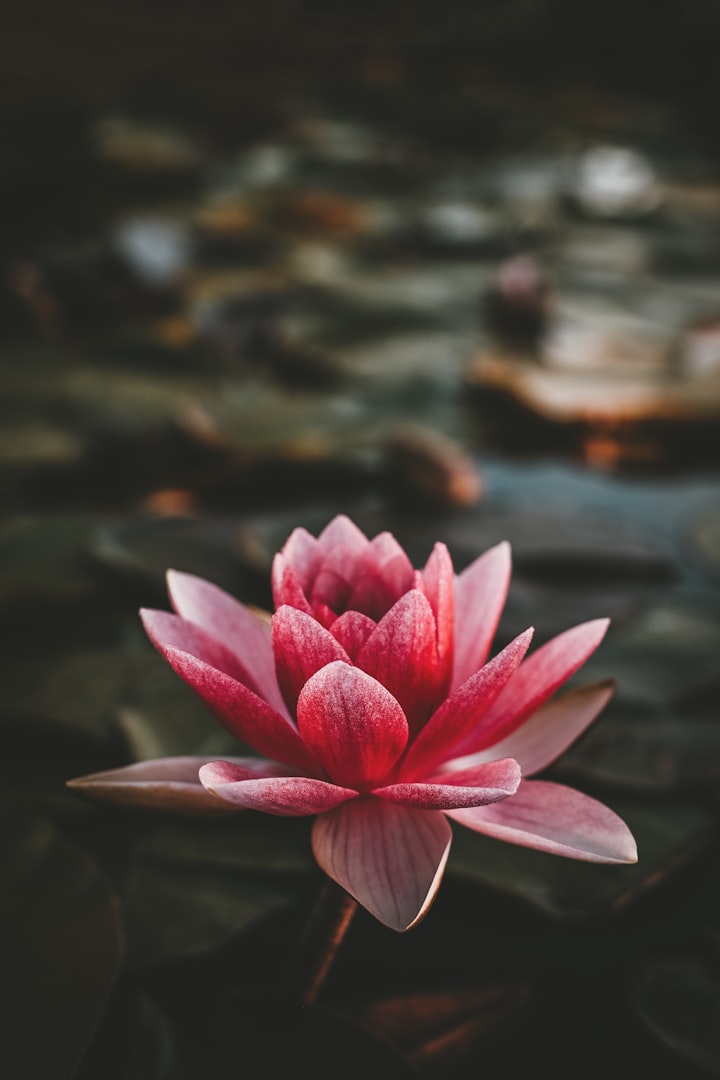
Pink: Pink is associated with joy and happiness. It is believed to represent the colour of friendship, love, and happiness.
Yellow: Yellow is associated with knowledge and learning. It is believed to represent the colour of knowledge, intellect, and spirituality.
Blue: Blue is associated with Krishna, an important deity in the Hindu pantheon. It is believed to represent the colour of power, strength, and divinity.
Green: Green is associated with nature and new beginnings. It is believed to represent the colour of renewal, growth, and fertility.
Orange: Orange is associated with the sun and fire. It is believed to represent the color of energy, enthusiasm, and warmth.
Harmful Holi Colours:
While Holi colours are an important part of the festival, it is important to be aware of the harmful effects of chemical-based colours. Synthetic or chemical-based colours, which are often sold at lower prices, may contain harmful substances like lead, mercury, and other toxic chemicals. When these colours are applied to the skin, they can cause allergic reactions, skin irritation, and other health problems.
Moreover, these colours can also harm the environment by contaminating water bodies and polluting the soil. Chemical-based Holi colours do not degrade easily and can cause long-term damage to the environment.
To avoid harmful Holi colours, it is recommended to use natural or organic colours made from flowers, vegetables, or other natural substances. These colours are safe for the skin and the environment, and also provide a unique and vibrant experience during the festival.
Celebrating Holi with Safe and Eco-Friendly Colours:
There are various ways to celebrate Holi with safe and eco-friendly colours. One way is to make natural colours at home using ingredients like turmeric, henna, beetroot, spinach, and other natural substances. These colours are easy to make, safe to use, and can be customized to create a range of vibrant shades.
Another way is to buy natural colours from reliable and eco-friendly sources. Many companies and organizations now offer natural and organic Holi colours made from flowers, herbs, and other natural ingredients. These colours are safe for the skin and the environment, and also support local artisans and farmers.
Apart from using safe and eco-friendly colours, it is also important to take other precautions while celebrating Holi. People should protect their eyes, ears, and hair by wearing sunglasses, earplugs, and headscarves. It is also important to stay hydrated and avoid consuming alcohol or other intoxicating substances during the festival.
In conclusion, Holi is a colourful and vibrant festival that celebrates the arrival of spring and the triumph of good over evil. The use of colours during Holi is an important part of the festival and has various symbolic meanings in Hindu mythology. While Holi colours provide a unique and joyous experience, it is important to use safe and eco-friendly colours to avoid harmful effects on the skin and the environment. By taking these precautions and celebrating Holi with natural and organic colours, we can enjoy the festival in a safe, sustainable, and responsible way.
We wish you a Happy Holi...
Read Also:
The Nasty Effects of Chemical Holi Colours
About the Creator
Phool.co
Phool - world’s first incense store solving the monumental ‘temple-waste’ problem.
Visit: https://phool.co
Contact: [email protected]



Comments
There are no comments for this story
Be the first to respond and start the conversation.