
History of Computer
Brief Introduction to history of computer, the dark age, middle age, and modern age computers explained

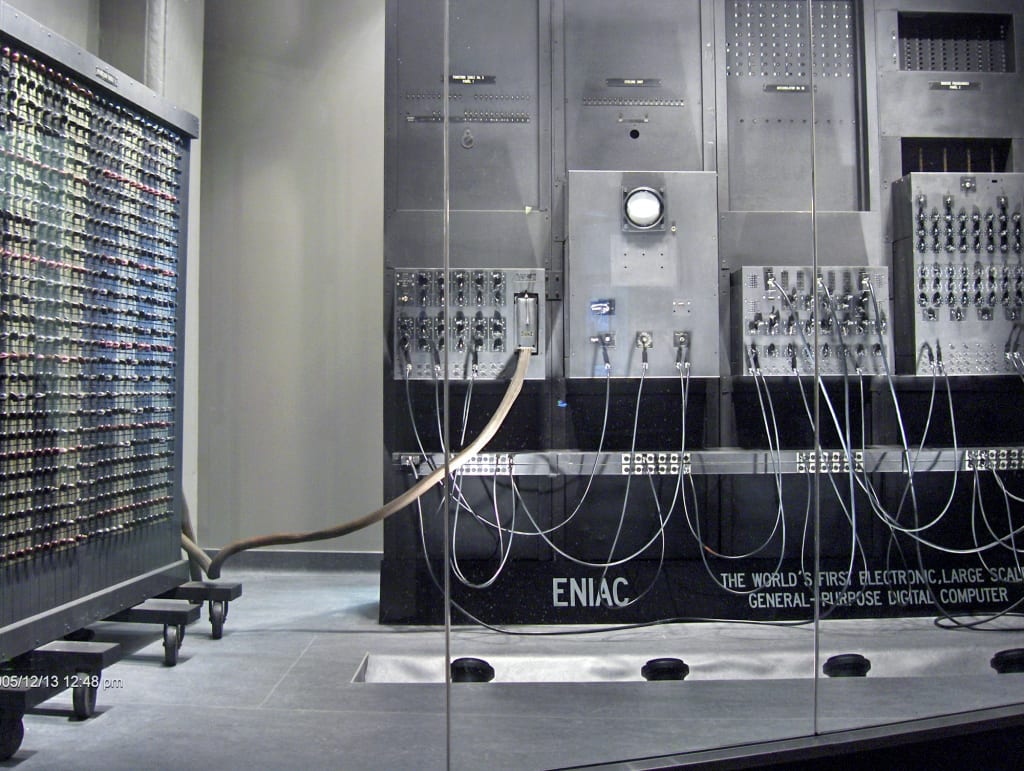
In this tutorial I have explained the history of computer, briefly explained the mechanical era, electro-mechanical era, and electronic era. I have also explained the famous inventions of each era of computer history like Abacus, Babbage’s Analytical and Difference Engine, and Tabulating Machine or Tabulator, etc.
What is Computer?
Computer is an electronic data processing machine or device that performs processes, calculations, and operations based on instructions provided by program or user. Charles Babbage is known as Father of Computer.
Computers are now widely used in every field of life. For example: Business, industry, education, banking, transportation, research, explorations, media, entertainment etc.
Evolution of Computers
The computer which we see today are modern shape of computers which have evolved for centuries. The evolution of computers is divided into three eras.
Mechanical Era (Dark Age)
Electro-Mechanical Era (Middle Age)
Electronic Era (Modern Age)
Mechanical Era (Dark Age)
In mechanical era, human became successful in developing the machine that could help performing simple arithmetic operations. These machines were manually operated since electricity was not invented. Some of the important inventions of this era include Abacus, Napier’s Bones, Slider Rule, Babbage Difference and Analytical Engine, etc.
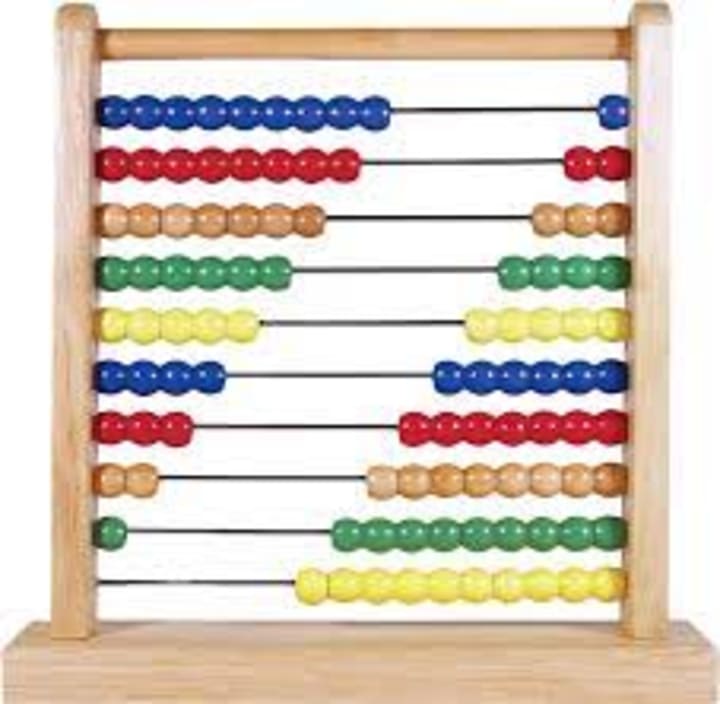
Abacus
It was invented in 3000 BC. It is also known as “Counting Frame”. It is still used to perform basic arithmetic operations to teach students. It was first computer prototype in history.
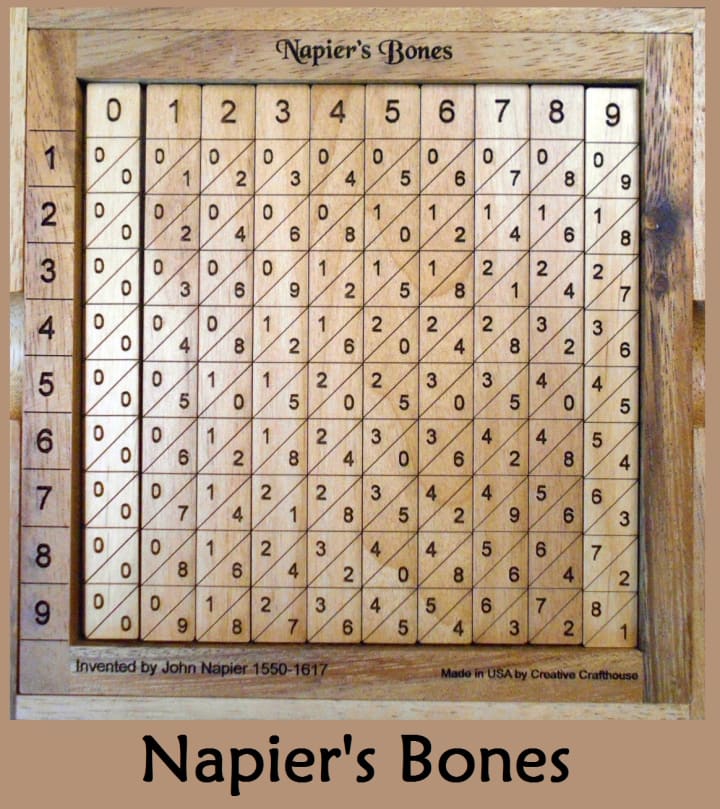
Napier’s Bone
It was developed by Scottish mathematician John Napier in 1612 A.D. It is also Napier’s Rods. It was a smaller machine that contained 10 rods. The rods were made up of bones, wood or metal. It was used for multiplication and division.
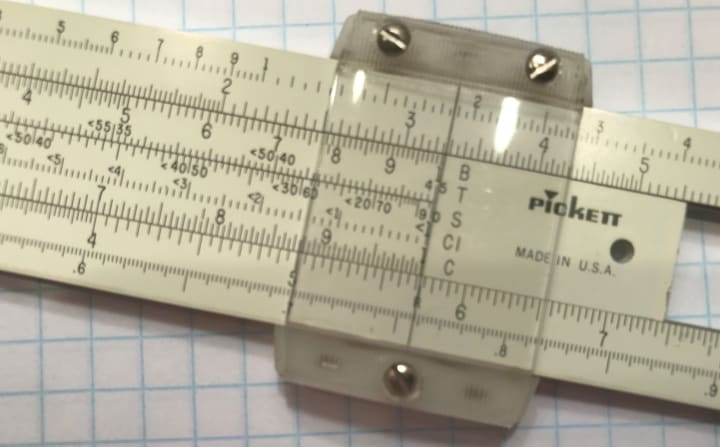
Slide Rule
It was invented by English mathematician William Oughtred in 1622 A.D. It was basically a pair of two moveable rules placed side by side. They had a standardized set of markings called scales. It was used to perform multiplication and division of numbers. Modern slide rules are still used in some countries.
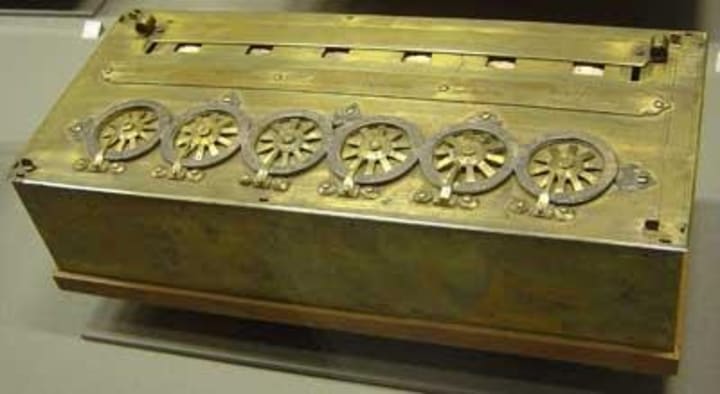
Pascal’s Calculator
It was invented by French Mathematician Blaise Pascal in 1694 A.D. It is also known as Pascaline. He developed this machine to help his father who was tax collector. Pascaline was able to perform addition and subtraction by eight figures. It was operated by adjusting wheels in particular pattern.
Babbage’s Analytical Engine
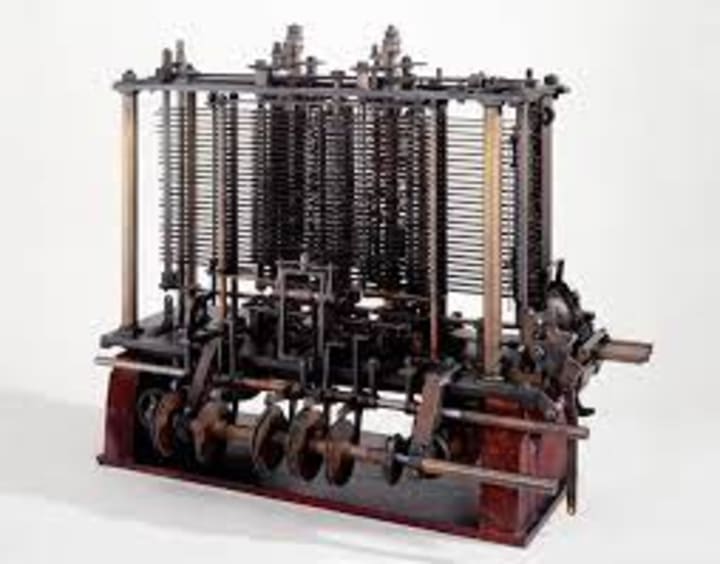
Charles Babbage designed Analytical Engine in 1837 but could not complete it. The proposed design included an ALU with basic programmatic flow control. It was programmed using punch cards and contained integrated memory. Historians consider it to be first design concept of a general purpose computer because of its comprehensive design.
Babbage’s Difference Engine
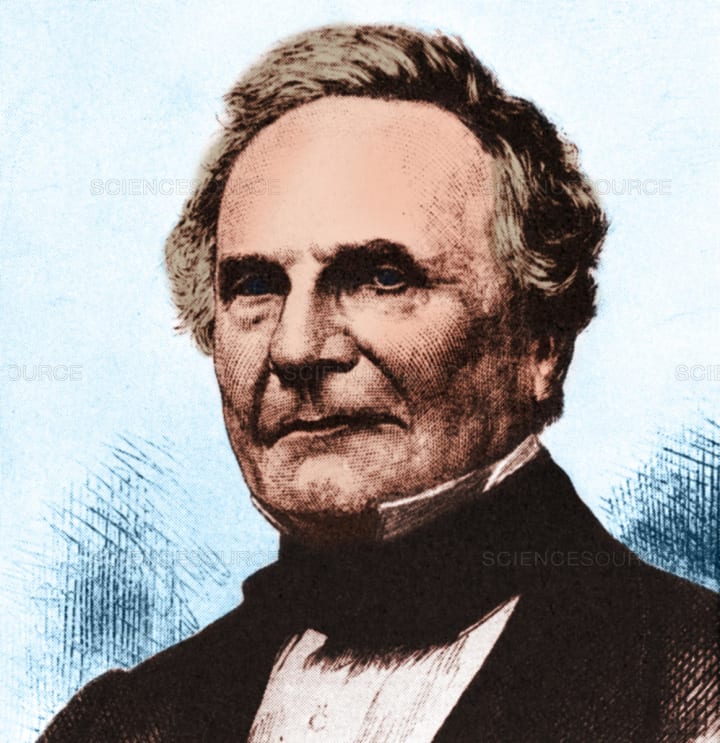
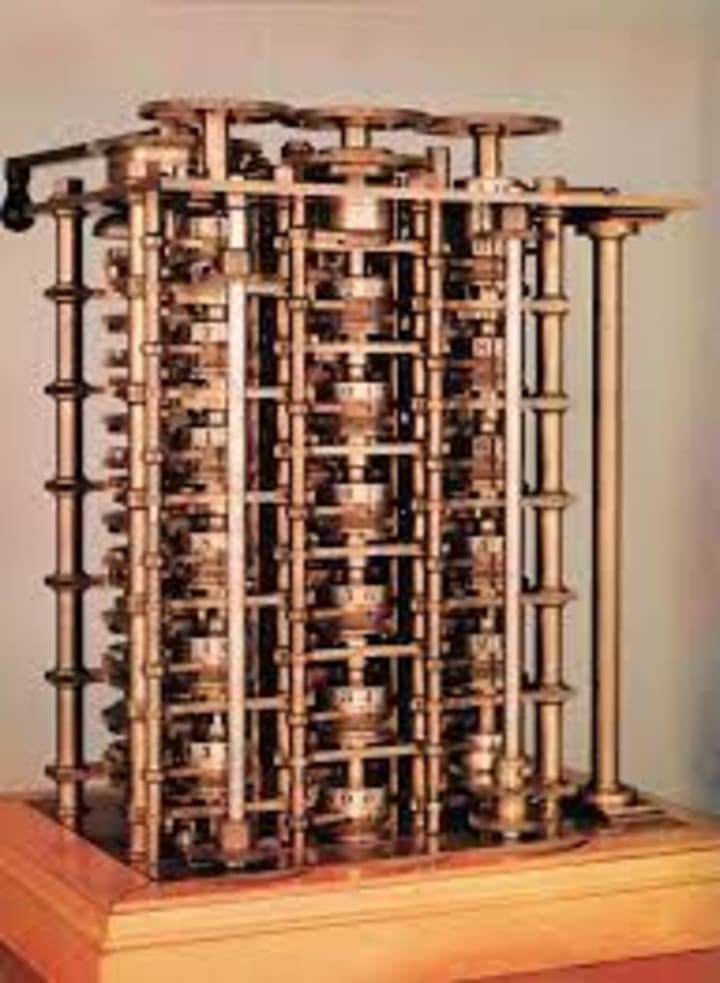
Charles Babbage was an English mathematician and mechanical engineer. He is known as Father of Computer because he developed first complete computing machine. His first invention was Difference Engine. It was an automatic mechanical calculator. It was a large machine made up of metal and powered by steam. Difference Engine had storage (mechanical memory) that could hold data temporarily for processing and to store results. It was able to generate print results of performed calculations.
Electro-Mechanical Era (Middle Age)
This era started amid 19th century. In this era scientist were successfully developed faster and more accurate computing machines. These machines were powered by steam and electricity. One of such machines was Tabulating Machine.
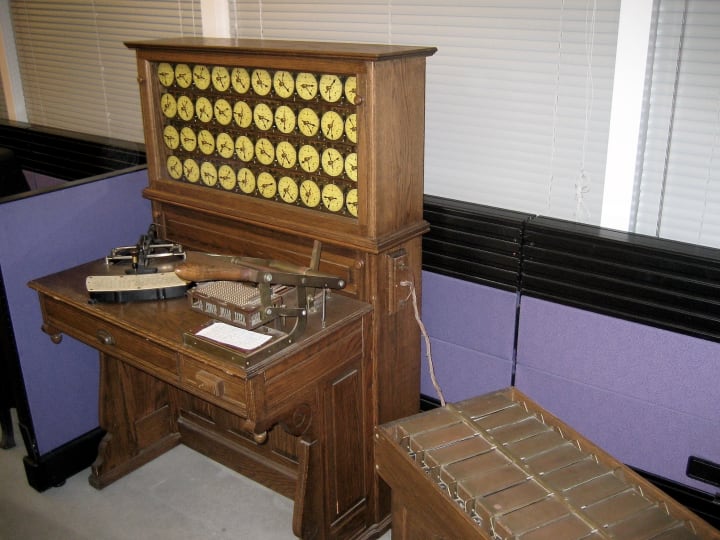
Herman Hollerith’s Tabulating Machine
It was invented by American Inventor Herman Hollerith in 1890. Hollerith’s first tabulator was used for the US 1890 census. Because of Hollerith’s tabulating machine census data took only took six months to be compiled, which was very fast as compared to previous US census in 1880 which took 7 years to complete. It was very famous and used in many offices of US Government.
Electronic Era (Modern Age)
In this era the true computers were invented which worked on the principle of input, output, store, process and output. Continuous advancement in electronic engineering increased efficiency and speed of computers considerably. Modern Age is classified into 5 (1st to 5th) generations based on technology used to build them.
1st Generation of Computers
It was based on vacuum tubes. It was very large in size and expensive. These computers used machine language (i.e. 0s and 1s). Magnetic drums were used as primary storage medium, and punch cards for input. Batch processing operating system was used in this generation’s computers. These computers were used primarily for scientific and research purposes.
Electronic Numerical Integrator and Calculator(ENIAC), and Universal Automatic Computer(UNIVAC) are examples of 1st generation computers.
2nd Generation of Computers
With the invention of transistors, 2nd generation computers became smaller, faster, cheaper and more efficient. Assembly Language and a high level language FORTRAN were introduced. Magnetic core was used as primary storage medium and punch card for input. Batch processing and multiprogramming operating system was used. IBM 7094 and IBM 1401 are examples.
Thank you for reading it. I will update the article soon.
Please like and subscribe me for more such blogs.
About the Creator
Keep reading
More stories from Programming Hub and writers in Humans and other communities.
Understanding Diabetes: Causes, Prevention, and Diagnosis
Diabetes is a condition in which the body is unable to produce insulin or effectively use it, leading to high levels of glucose (sugar) in the blood. Insulin is a hormone that helps regulate blood sugar levels by converting glucose into energy for the body's cells to use.
By Programming Hub3 years ago in Humans
Staying sane in the insane world.
”It is no measure of health to be well adjusted to a profoundly sick society.” Jiddu Krishnamurti This quote has been one of my favourites since the moment I first laid my eyes on it. To me, it cuts right through the fog of the illusion of normality that permeates our lives. And since I am someone who has never felt (well) adjusted to this society, Krishnamurti’s words gifted me with the realisation that there isn’t anything inherently wrong with me.
By Eva Smitte10 days ago in Humans




Comments
There are no comments for this story
Be the first to respond and start the conversation.