
High-Functioning Anxiety: The Pain Behind Perfection
Is it worth it?
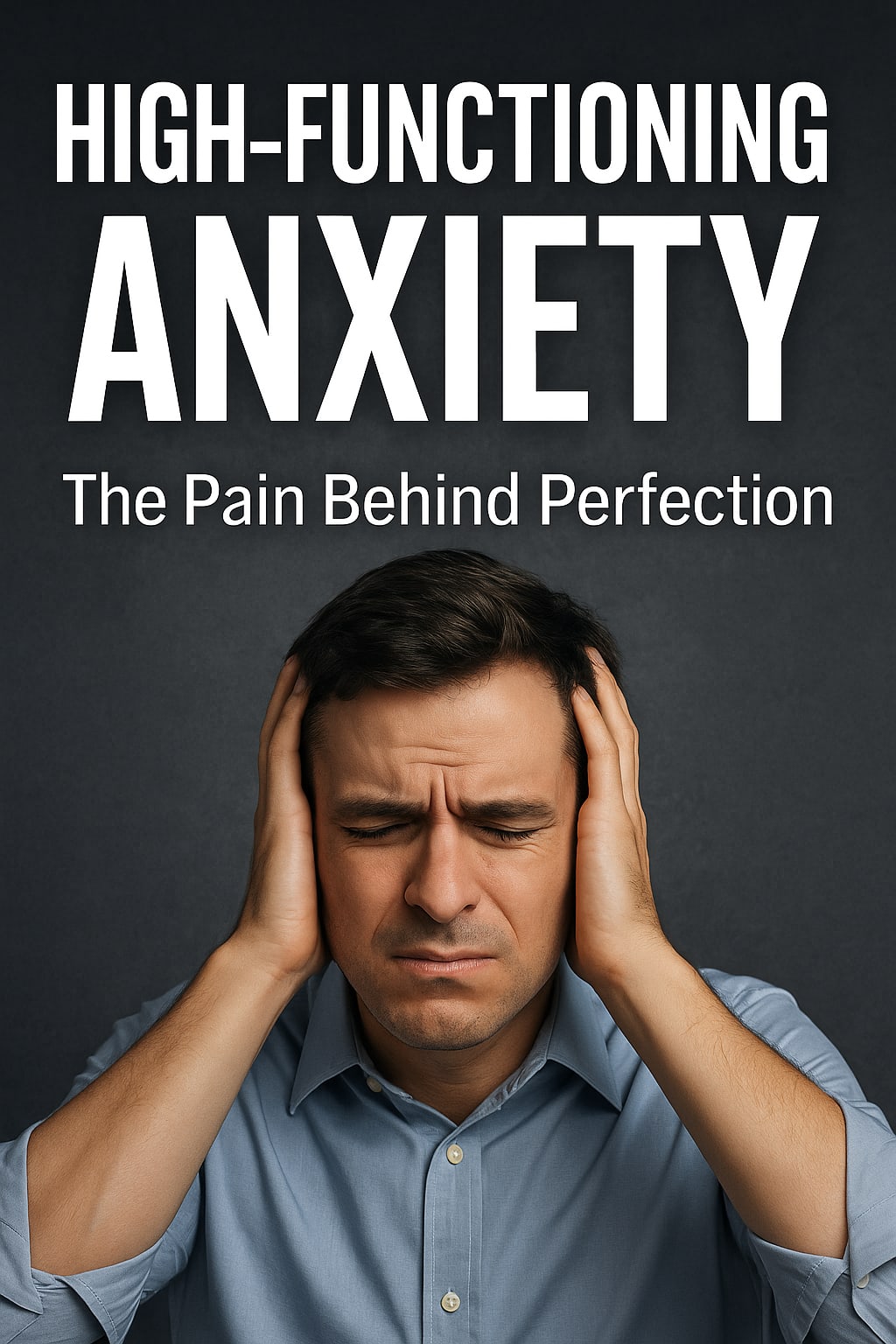
🎭 Introduction: When Success Hides Struggle
On the surface, they have it all:
A thriving career
A spotless home
Perfect grades
A full social calendar
They are the people you admire for "having it together."
But beneath that polished exterior is a mind racing with worry, self-doubt, and relentless pressure. This is the reality of high-functioning anxiety — a silent, exhausting condition that hides behind a mask of perfection.
🧠 What Is High-Functioning Anxiety?
High-functioning anxiety isn’t an official diagnosis in the DSM-5, but it's a very real experience. It describes individuals who live with persistent anxiety internally but appear successful and composed externally.
They’re the ones:
Smiling through meetings while battling panic attacks
Helping others while secretly feeling overwhelmed
Achieving goals while fearing they’re still "not enough"
It’s anxiety weaponized — not by causing dysfunction, but by driving relentless, perfectionistic behavior.
🧩 Characteristics of High-Functioning Anxiety
While every person’s experience is unique, common signs include:
1. Perfectionism
Nothing ever feels "good enough." They obsessively edit work, over-prepare, and fear making mistakes.
2. Overthinking and Catastrophizing
Replay every conversation. Worry about unlikely worst-case scenarios. Second-guess every decision.
3. People-Pleasing
Saying "yes" when they want to say "no." They fear disappointing others more than protecting their peace.
4. Productivity as Self-Worth
Busyness becomes a badge of honor. Slowing down feels like failure.
5. Physical Symptoms
Tension headaches, muscle tightness, stomach issues, insomnia — the body mirrors the inner chaos.
6. Difficulty Enjoying Success
Achievements bring temporary relief, but quickly, the mind asks, "What’s next?"
📚 Real-Life Data: How Common Is This?
According to the American Psychological Association (APA), over 75% of people who experience anxiety disorders continue to work and appear high-functioning in daily life.
A 2023 Gallup report found that 44% of employed adults globally report feeling stressed "a lot of the day," even when succeeding professionally.
A study published in the Journal of Anxiety Disorders highlights that perfectionistic tendencies, common in high-functioning anxiety, are increasing, particularly among younger generations.
In short: high-functioning anxiety is common, rising, and dangerously overlooked.
🌀 The Pain Behind Perfection
What makes high-functioning anxiety so damaging is that it’s praised by society:
"You’re so hardworking!"
"I wish I was as organized as you!"
"You're such an overachiever — that's amazing!"
These compliments reinforce the anxiety-driven behaviors. The individual learns:
“If I keep suffering quietly, I’ll keep being valued.”
The internal reality, however, is different:
Constant fear of failure
Emotional exhaustion
Imposter syndrome
Chronic dissatisfaction
Deep loneliness
When your worth is tied to performance, self-acceptance becomes impossible.
🏥 Long-Term Impacts If Left Unaddressed
Without intervention, high-functioning anxiety can lead to serious consequences:
Burnout: Chronic physical and emotional exhaustion
Depression: Loss of joy, low self-worth
Relationship Strain: Resentment from people-pleasing or emotional unavailability
Substance Abuse: Using alcohol, food, or other substances to self-medicate
Physical Health Issues: Heart disease, weakened immune system, gastrointestinal problems
Anxiety doesn’t "go away" if ignored — it evolves, often into more serious mental and physical health conditions.
✨ Why It's So Hard to Spot
High-functioning anxiety hides well because:
Cultural admiration for busyness and success
Personal denial ("I'm just ambitious.")
Fear of vulnerability ("If they knew, they’d think I’m weak.")
Internalized stigma about mental health
Often, even close friends and family have no idea. Individuals with high-functioning anxiety are masters at looking "fine" even while falling apart inside.
🛠️ How to Manage High-Functioning Anxiety
Managing this kind of anxiety isn't about lowering your ambitions — it's about changing how you relate to yourself and your fears.
Here’s a complete guide:
1. Identify the Fear Patterns
Notice when perfectionism, people-pleasing, or catastrophizing take over. Awareness is the first step to change.
2. Challenge Perfectionistic Thinking
Ask yourself:
Is this standard realistic?
Will this mistake ruin everything — or just feel uncomfortable?
Can "good enough" sometimes be... enough?
3. Practice Self-Compassion
You are not a machine. You are allowed to:
Rest without guilt
Fail without shame
Be loved without achieving
4. Set Boundaries
Protect your time, energy, and mental health — even if it disappoints others.
5. Embrace Mindful Living
Mindfulness meditation rewires anxious brains over time. Even 10 minutes daily can reduce overthinking and increase emotional regulation.
6. Reframe Productivity
Shift from quantity-based success to quality-based fulfillment.
You are valuable because of who you are, not how much you do.
7. Seek Professional Help
Therapists trained in Cognitive Behavioral Therapy (CBT) or Acceptance and Commitment Therapy (ACT) can help untangle deep-seated anxiety and perfectionism.
There's no shame in seeking help — it's strength.
🧘 Micro-Practices for Daily Life
Incorporate tiny habits to regulate your anxiety:
✍️ Morning Journaling: 5 minutes to brain-dump worries
📵 Scheduled Tech Breaks: No screens during meals
🚶♂️ Nature Walks: 15 minutes outdoors daily
🔥 Celebrating "Small Wins": Applaud yourself for tiny victories
💬 Vulnerability Moments: Share your struggles with trusted friends
Tiny shifts accumulate into massive change over time.
💬 Closing Words: You Are Enough
High-functioning anxiety lies to you.
It tells you:
You're only as good as your latest achievement.
Resting is weakness.
Mistakes define your worth.
None of this is true.
You are inherently worthy.
You are allowed to be messy.
You are allowed to be human.
The real victory isn't in hiding your anxiety behind a perfect image. It's in healing it, loving yourself through it, and daring to believe:
"I am enough, even when I'm not performing."
You don’t have to be perfect to be valuable.
You don’t have to suffer in silence to succeed.
You are already worthy — just as you are.
About the Creator
Keep reading
More stories from Shahir Nazib Rakib and writers in Humans and other communities.
The Burnout Generation: Why We're All Tired All the Time
It’s not just you. You slept 7 hours, drank enough water, maybe even meditated—but you still woke up exhausted. Your to-do list is full, but your motivation is missing. You scroll for hours yet feel strangely disconnected. You’re not sick — just tired. Deeply, persistently tired.
By Shahir Nazib Rakib9 months ago in Humans
Whiskey At Dusk
Guess the whiskey was more important to you in the end, wasn’t it? It was more than the well-being of your friends; more vital than showing up to the places you promised you would and could come to; more critical of a matter than fulfilling your damn responsibilities and getting the press off your back.
By Snarky Lisaa day ago in Humans
Long Distance Relationship Questions That Test Real Love
Long-distance relationships are common, particularly among Gen Z couples in the United States. College migrations, career starts, visa concerns, and online contacts have all contributed to the prevalence of distance in modern love. Daily texting and video conversations do not determine if a long-distance relationship will endure. It is the questions we ask each other and the honesty with which we respond.
By Relationship Guide2 days ago in Humans




Comments
There are no comments for this story
Be the first to respond and start the conversation.