
Heatwaves & Hydration: How Southern Europe Is Redefining Summer Survival.
From siestas to smart cities, discover how Spain, Italy, Greece, and Portugal are blending tradition and innovation to keep cool in an age of extreme heat.
It’s no longer just a heatwave—it’s a new reality.
Summers in Southern Europe are changing fast. What used to be a few hot days now stretches into weeks of relentless sun, dry air, and temperatures soaring above 40°C. For countries like Spain, Italy, Greece, and Portugal, this isn’t just uncomfortable—it’s life-altering.
But amid the rising heat, something else is rising: resilience. Communities are adapting, finding clever and culturally rooted ways to cope, stay safe, and even thrive in these scorching conditions.
Let’s take a look at how Southern Europe is facing the sun with both tradition and innovation.
🌞 From Sun-Soaked to Sun-Stressed
For decades, Southern Europe was famous for its perfect summers—bright skies, golden beaches, and warm evenings on café terraces. But in recent years, the climate has taken a sharper turn.
Now, cities like Seville, Athens, and Rome are experiencing not just heatwaves but heat emergencies. Roads melt, air conditioning fails, and outdoor work becomes dangerous. Even nighttime no longer offers relief, with temperatures sometimes staying above 30°C.
But Southern Europeans are not sitting still in the heat. They’re drawing from both ancient wisdom and modern science to adapt their lives.
🇪🇸 Spain: Siestas, Shade, and Smart Cities
In Spain, the traditional siesta is making a comeback—not just as a cultural custom, but as a health necessity. With peak temperatures hitting between 1 PM and 5 PM, more people are choosing to stay indoors during the hottest hours and shift their activities to the cooler evenings.
Cities like Barcelona and Madrid are redesigning urban spaces to include more trees, water features, and shaded rest areas. Some even spray mist to cool down sidewalks. Municipalities are also experimenting with heat emergency alerts to protect vulnerable populations.
Hydration stations, shaded bus stops, and even air-conditioned public shelters are becoming common in major Spanish cities.
🇮🇹 Italy: Cooling Down with Tradition
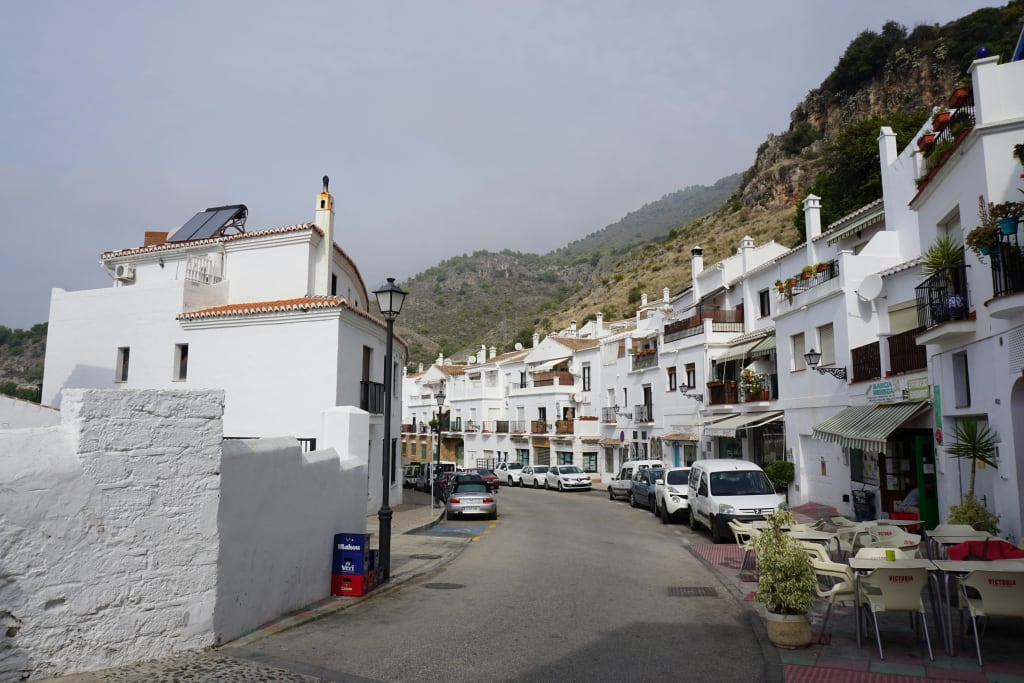
In Italy, heat adaptation blends seamlessly with the country’s rich traditions. Stone buildings with thick walls, tiled roofs, and shutters were made to handle the Mediterranean heat long before air conditioning existed. Now, Italians are rediscovering the benefits of these age-old designs.
In cities like Florence, Rome, and Palermo, there’s a return to closing shops mid-afternoon and reopening in the evening. Families gather indoors, blinds are drawn, and meals are lighter and served later in the evening.
Modern innovations are being added, too—such as smart cooling systems powered by solar panels and “cool roofs” that reflect sunlight instead of absorbing it.
And of course, you can’t talk about Italian summer survival without mentioning gelato. It’s both a treat and a way to cool the body from within. Who says adaptation can’t be delicious?
🇬🇷 Greece: Ancient Wisdom Meets Urban Action
In Greece, adaptation begins with architecture. Ancient buildings in Athens and Santorini were designed to deflect heat: thick whitewashed walls, narrow alleyways, and open courtyards keep interiors cooler than the streets outside.
Today, those same principles are being used in urban planning. The city of Athens is planting thousands of new trees, converting concrete spaces into green areas, and redesigning rooftops to reduce the urban heat island effect.
In addition, public awareness campaigns encourage hydration, proper clothing, and avoiding strenuous activity in peak heat. Schools and workplaces are adjusting hours, and local governments are distributing free water bottles and access to cooling centres.
🇵🇹 Portugal: Water, Wind, and Mindful Living
Portugal is embracing a mix of natural solutions and mindful living to stay ahead of the heat. In coastal cities like Lisbon and Porto, ocean breezes provide relief, but inland towns have to get more creative.
Residents are increasingly using traditional azulejo tiles, not just for beauty but for their cooling properties. These ceramic tiles reflect light and help maintain lower indoor temperatures.
There’s also a renewed interest in slow living during the hottest months. Portuguese families are spending more time at home, cooking lighter meals, and structuring the day around natural rhythms.
Evening gatherings, late dinners, and moonlit walks are becoming part of everyday life—not just as a social choice, but as a smart response to extreme heat.
💧The Common Thread: Hydration and Community
Across Southern Europe, one message is clear: Hydration is everything. From kids to the elderly, everyone is learning to drink more water and listen to their body’s needs.
But adaptation isn’t only about the body—it’s also about the community. Neighbours are checking on each other more often. Cities are providing free water at festivals, beaches, and tourist areas. Volunteers distribute fans, cold towels, and ice packs during especially hot days.
Heatwaves are no longer “news” in these regions—they’re expected. But they’re not being met with fear. They’re being met with creativity, care, and cultural pride.
What the Rest of Europe Can Learn
Northern and Central Europe are also beginning to feel the burn. And there’s a lot they can learn from their Southern neighbours:
Design smart, not just modern.
Respect natural rhythms.
Plan around the sun, not against it.
Create cool spaces—indoors and out.
Hydrate. Hydrate. Hydrate.
As climate change reshapes Europe’s summers, adaptation isn’t optional. It’s a necessity. But it doesn’t have to mean discomfort. With the right mindset and a bit of Mediterranean wisdom, it can mean slowing down, connecting more, and living well—even when it’s 40°C outside.
Final Thoughts.
Southern Europe has always been defined by sun, sea, and soul. Now, it’s also becoming a symbol of smart adaptation. As temperatures rise, the region is turning tradition into innovation and crisis into culture.
So this summer, whether you're in Athens, Barcelona, Rome, or beyond—pause, sip some water, find some shade, and take a lesson from the South:
You don’t have to fight the heat. Sometimes, you just have to flow with it.
About the Creator
Keep reading
More stories from Kaitesi Abigail and writers in Humans and other communities.
The Rise of Slow Living: How Scandinavia Is Teaching Europe to Breathe Again.
In a world that never stops buzzing, scrolling, and rushing, there’s a quiet revolution happening—and it’s coming from the north. Scandinavia, often admired for its clean design, stunning landscapes, and enviable quality of life, is now inspiring a lifestyle shift that the rest of Europe is starting to embrace: slow living.
By Kaitesi Abigail8 months ago in Humans
How To Rebuild Dating Confidence After Rejection And Emotional Setbacks
As usual, rejection is part of dating but a series of emotional failures can have a huge influence on confidence. It may cause self-unconfidence, the fear of being exposed, and reluctance to seek new relationships. The appreciation of the fact that rejection is a normal aspect of dating process assists individuals to put these experiences into perspective instead of assuming that they are a failure themselves.
By Robert Smith4 days ago in Humans
A Transparent Look at Vocal Challenges and Top Stories
Almost three years ago, we shared a resource article that served as a place for people to suggest new challenge prompts. We thought it would be a good idea to refresh that thread, and take the opportunity to answer a few common questions about top stories, how challenges are judged and how submissions are reviewed.
By Vocal Curation Team4 days ago in Resources



Comments
There are no comments for this story
Be the first to respond and start the conversation.