
Hair Loss: Causes, Types, Treatments, and Prevention
Exploring the Causes and Solutions for Hair Loss

Introduction
Hair loss, medically referred to as alopecia, is a common condition that affects millions of people worldwide, regardless of age, gender, or ethnicity. While it is often considered a cosmetic concern, hair loss can have significant psychological and emotional impacts. Understanding the causes, types, available treatments, and preventive measures is crucial in managing and addressing this condition effectively.
Causes of Hair Loss
Hair loss can be triggered by various factors, ranging from genetics to medical conditions and lifestyle choices. The most common cause is androgenetic alopecia, commonly known as male or female pattern baldness. This hereditary condition results from the effects of androgens (male hormones) on hair follicles, leading to gradual thinning and hair loss over time.
Other major causes include:
1. Hormonal Changes: Conditions such as pregnancy, childbirth, menopause, and thyroid disorders can cause temporary or permanent hair loss due to hormonal imbalances.
2. Medical Conditions: Autoimmune diseases like alopecia areata cause the immune system to attack hair follicles, resulting in patchy hair loss. Scalp infections such as ringworm and chronic illnesses like lupus can also contribute to hair loss.
3. Medications and Treatments: Drugs used for cancer, arthritis, depression, heart problems, and high blood pressure can lead to hair loss. Chemotherapy, in particular, is known for causing widespread hair shedding.
4. Nutritional Deficiencies: Inadequate intake of essential nutrients like iron, protein, zinc, and vitamins (especially D and B-complex) can weaken hair health and lead to shedding.
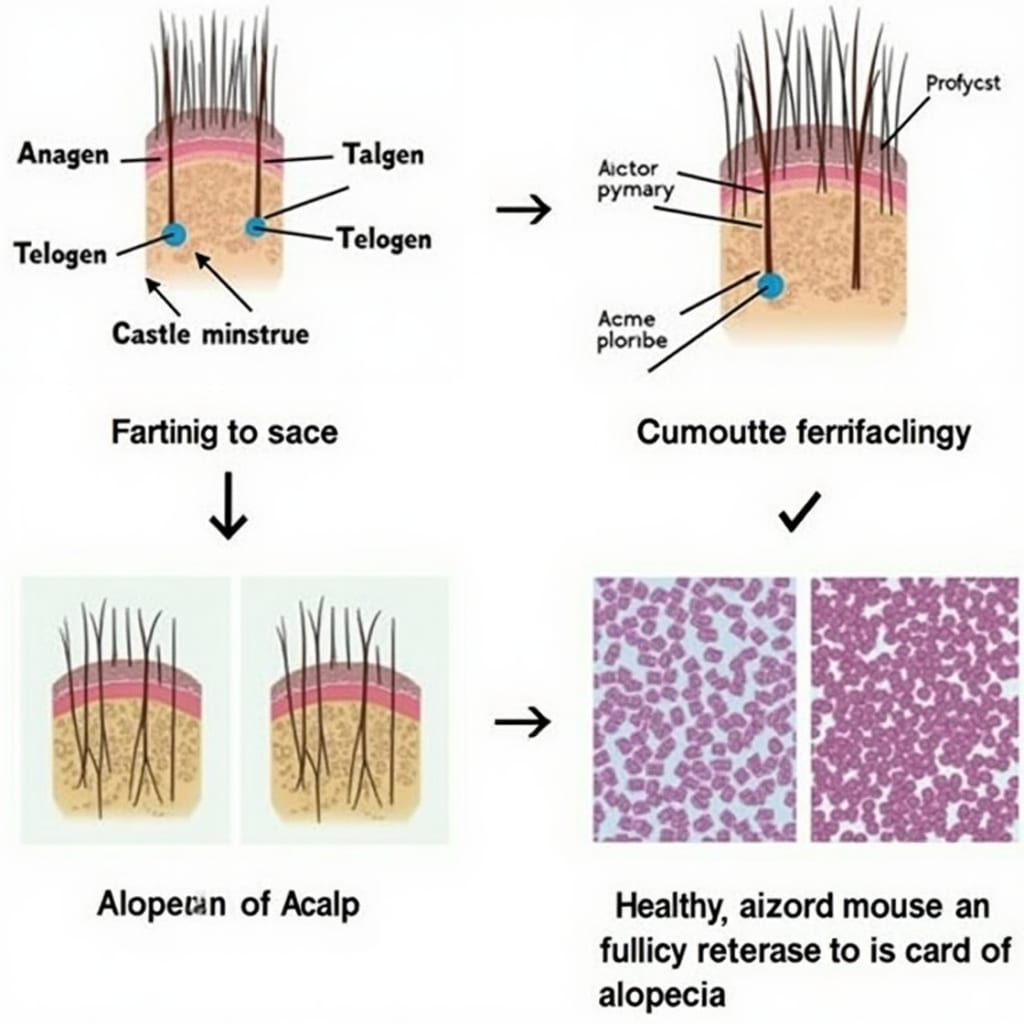
5. Stress and Trauma: Both physical and emotional stress can trigger telogen effluvium, a temporary form of hair loss where hair prematurely enters the shedding phase.
6. Hairstyles and Treatments: Excessive hairstyling, tight hairstyles (like braids and ponytails), and chemical treatments can cause traction alopecia or hair breakage.
Types of Hair Loss
There are several types of hair loss, each with distinct causes and patterns:
1. Androgenetic Alopecia: The most common form, characterized by a receding hairline and thinning at the crown in men, and diffuse thinning over the top of the scalp in women.
2. Alopecia Areata: An autoimmune disorder where the immune system attacks hair follicles, resulting in round, patchy bald spots.
3. Telogen Effluvium: Often triggered by stress, illness, or hormonal changes, it leads to diffuse thinning across the scalp.
4. Anagen Effluvium: Rapid hair loss during the growth phase of the hair cycle, commonly seen during chemotherapy.
5. Traction Alopecia: Caused by continuous pulling on the hair due to certain hairstyles.
6. Cicatricial (Scarring) Alopecia: A rare condition where inflammation destroys hair follicles and causes scar tissue, leading to permanent hair loss.
Diagnosis
Diagnosing hair loss typically involves a combination of physical examination, medical history, and laboratory tests. A dermatologist may perform a pull test, scalp biopsy, or blood tests to identify underlying conditions such as thyroid disease or iron deficiency. Early diagnosis is crucial for effective treatment.
Treatment Options
The treatment for hair loss depends on the underlying cause and the type of hair loss. Common treatment options include:
1. Medications:
o Minoxidil (Rogaine): An over-the-counter topical solution effective for both men and women. It stimulates hair growth and slows down hair loss.
o Finasteride (Propecia): An oral medication for men that blocks the hormone responsible for hair loss.
o Corticosteroids: Used in cases of alopecia areata to reduce inflammation and suppress immune activity.
2. Hair Transplant Surgery:
Involves removing hair follicles from one part of the body (usually the back of the scalp) and transplanting them to balding areas. Techniques include follicular unit transplantation (FUT) and follicular unit extraction (FUE).
3. Low-Level Laser Therapy (LLLT):
A non-invasive treatment that uses red light to stimulate hair follicles and promote hair growth.
4. Platelet-Rich Plasma (PRP) Therapy:
A relatively new approach where a person’s own platelets are injected into the scalp to stimulate hair growth.
5. Wigs and Hairpieces:
Cosmetic options for those who experience extensive or irreversible hair loss.
Prevention and Management
While not all types of hair loss can be prevented, certain measures can reduce the risk:
• Maintain a balanced diet rich in essential nutrients.
• Avoid tight hairstyles and harsh chemical treatments.
• Manage stress through mindfulness, exercise, or therapy.
• Treat underlying medical conditions promptly.
• Use gentle hair care products and avoid excessive heat styling.
Psychological Impact
Hair loss often has a significant emotional toll, affecting self-esteem, confidence, and mental health. It can lead to social withdrawal and anxiety, particularly in cases of sudden or early-onset hair loss. Psychological support, counseling, and support groups can be beneficial for individuals struggling with these effects.
Conclusion
Hair loss is a multifaceted condition with a variety of causes and treatments. Advances in medical science have made it possible to manage many forms of hair loss effectively, though results vary depending on the individual and the cause. Early intervention, proper diagnosis, and a comprehensive treatment plan are key to improving outcomes. With a better understanding of hair loss and available options, individuals can take informed steps to maintain their hair health and overall well-being.
About the Creator
Ahmad shah
In a world that is changing faster than ever, the interconnected forces of science, nature, technology, education, and computer science are shaping our present and future.
Keep reading
More stories from Ahmad shah and writers in Humans and other communities.
Sleep Disorders’ Impact on Overall Health Condition
Introduction Sleep is an essential biological process for sustaining physical, mental, and emotional health. It facilitates processes such as cellular repair, hormonal regulation, memory consolidation, and immune function. However, sleep disorders medical conditions that disrupt the quality, timing, or quantity of sleep—are the reason why millions of people worldwide do not experience restful sleep. Sleep disorders such as insomnia, sleep apnea, restless legs syndrome (RLS), and narcolepsy are prevalent across various age groups and demographics. These disorders not only impair daily functioning but also significantly contribute to the development and progression of chronic diseases, including cardiovascular issues, metabolic disorders, mental health conditions, and weakened immune response. This paper explores the various types of sleep disorders, examines their impact on overall health, and discusses current research, risk factors, and treatment strategies.
By Ahmad shah9 months ago in Humans
Thief In The Night
To the thief in the night that took and replicated what once was mine: Honestly, I feel kind of bad for you. It’s funny, because we hardly know each other. I only know of you through the magazines you’ve written and the broadcasts you have televised in the past — as well as through the public mentions of you from your show business connections there.
By Snarky Lisa6 days ago in Humans



Comments
There are no comments for this story
Be the first to respond and start the conversation.