
Groomed Helplessness: The Hidden Form of Abuse
How to Recognize the Signs and Reclaim Your Independence


Groomed helplessness is a hidden form of abuse. It happens when a person, often someone with a disability, is made to feel powerless and completely dependent on a caregiver or family member.
This isn't a natural part of a disability; it's a learned behavior.
It's a way for someone to control you by making you believe you can't do things on your own.
Understanding the Signs
This can be hard to spot because it's so subtle. The abuser might:
- Do too much for you. They constantly "help" with things you can do yourself. This makes you question your own abilities.
- Discourage you from being independent. They say things like, "That's too dangerous for you," or "You can't do that by yourself." Over time, this makes you lose confidence.
- Control your resources. They might control your money, medications, or tools you need to get around. This makes you physically and financially dependent on them.
- Keep you from others. They may discourage you from seeing friends or family, making you feel like you can only rely on them.
This constant control can be hard to notice and even harder to stop.
Why It's Hard to Notice
Groomed helplessness can be incredibly difficult for a Deaf or Hard of Hearing person to notice because it often comes from a place of "love" or "caring." The abuser may genuinely believe they are helping and protecting the person. For a person with hearing loss, this behavior can be seen as:
- Normal: If a person has always had a caregiver who does everything for them, they may not know any other way. They may see this level of "help" as normal.
- A sign of love: The abuser might say things like, "I'm doing this because I love you and I want to keep you safe." This can make the Deaf or Hard of Hearing person feel grateful and not question the behavior.
- A way to avoid conflict: It's often easier to just let the abuser do something than to fight for the right to do it yourself. This can lead a person to just give in and stop trying.
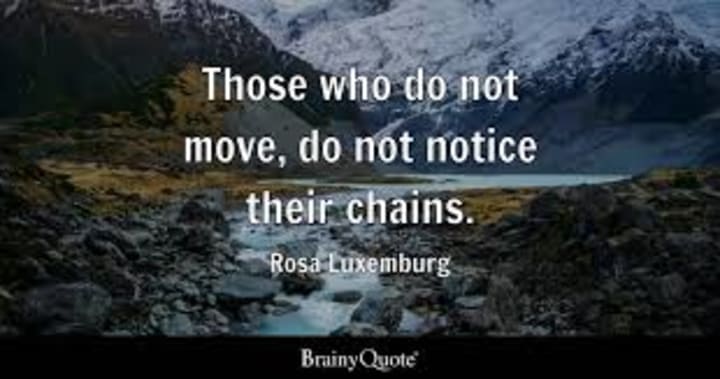
The Colonization of Beliefs
This pattern doesn’t just affect the victim, it can spread. When someone living in groomed helplessness meets an independent person with the same disability, they may try to enforce their own learned dependence.
This "colonization" can happen in several ways:
- Warning and Discouragement: "That's not safe for us," or "You shouldn't be traveling alone."
- Questioning Independence: "Who helps you with that?" or "How do you manage without a caregiver?"
- Gatekeeping: "You're lucky to have someone who takes care of you," or "Don't listen to them, they don't understand our needs."
This behavior doesn’t come from malice, it comes from trauma. They’ve been so conditioned to feel helpless that independence feels threatening, so they try to draw others back into the same cycle.
Reclaim Your Life
If you recognize yourself here, know that you are not alone and it is not your fault. The journey to breaking free from groomed helplessness is a path of small, steady steps. It starts with a simple choice: to reclaim your own power.
- Start small: Choose your own clothes, make a simple meal, or take a short walk by yourself. Each win builds confidence.
- Set boundaries: Learn to say “no.” It will be hard and may cause resistance, but it’s essential for freedom.
- Seek support: Reach out to a trusted friend, a supportive family member, or a therapist familiar with trauma.
- Be kind to yourself:Unlearning helplessness takes time. Celebrate victories, be gentle with setbacks.
You are capable and worthy of living on your own terms. Independence is your right—not something granted by others.
From Surviving to Leading
Breaking free isn’t just about survival—it’s about rewriting the story. Every act of independence is a quiet revolution. Every boundary is a declaration: “My life is mine.”
When you model independence, you become a beacon. You show others that Deaf, Hard of Hearing, and disabled people are not defined by what others do for them but by what they choose for themselves.
You don’t owe anyone your silence. You don’t owe anyone your compliance. What you do owe yourself is the chance to live boldly, advocate fiercely, and build community rooted in respect, not control.
Let your story be a mirror for those still searching for their reflection. Let your voice be the one that says, “You can.”
- Disability Visibility: First-Person Stories from the Twenty-First Century - A stunning anthology of essays by disabled people across race, gender, and disability. Many stories touch on abuse, autonomy, and the fight to be seen and heard.
- The Butterfly Cage - This memoir exposes systemic failures in Deaf education and the emotional toll of being silenced. It’s a call to action for Deaf empowerment and educational reform. → Ideal for readers confronting institutionalized control and reclaiming narrative power
- Being Heumann: An Unrepentant Memoir of a Disability Rights Activist - A fierce, firsthand account from one of the most influential disability rights activists in history. Heumann shares how she fought against institutionalized ableism and helped spark the global disability justice movement.
- The Pretty One: On Life, Pop Culture, Disability, and Other Reasons to Fall in Love with Me - A joyful, intersectional memoir by a Black disabled woman reclaiming her body, voice, and visibility. It’s witty, warm, and radically affirming.
Check out these great books:
You Were Never Meant to Be Small
Groomed helplessness is not your destiny, it’s a distortion of care, a theft of autonomy disguised as protection. But you were never meant to be small. You were meant to take up space, make decisions, and live a life shaped by your own choices.
Reclaiming independence isn’t rebellion, it’s restoration. It’s the quiet, powerful act of saying, “I am capable. I am worthy. I am mine.”
To every Deaf or Hard of Hearing, or disabled person reading this: your life is not a favor someone grants you. It is yours. And you deserve to live it fully, freely, and unapologetically.
About the Creator
Tracy Stine
Freelance Writer. ASL Teacher. Disability Advocate. Deafblind. Snarky.
Keep reading
More stories from Tracy Stine and writers in Humans and other communities.
Stop Calling Us Brave: The Problem with Inspiration Porn
At a college gym in Washington State, a poster shows an amputee lifting weights under the caption: “NO EXCUSES.” To many, it’s motivational. To disabled students like CM Wright, it’s a daily reminder that their bodies are being used to inspire others without their consent or context.
By Tracy Stine5 months ago in Humans
The Moment I Understood
Back in the late 1980s, after my youngest daughter Hilary was born, life required a kind of rearranging that only new parents truly understand. We didn’t want to put her in day care — not because there was anything wrong with it, but because we wanted her to have a parent at home, someone steady and familiar. So I switched to nights at the hospital, trading daylight for fluorescent lights and the unpredictable rhythm of the Emergency Room.
By Julie O'Hara - Author, Poet and Spiritual Warrior6 days ago in Humans


Comments
There are no comments for this story
Be the first to respond and start the conversation.