
Gladbeck: The Hostage Crisis - A Movie Review
A Troubling True Crime Documentary About a Callous Media Circus

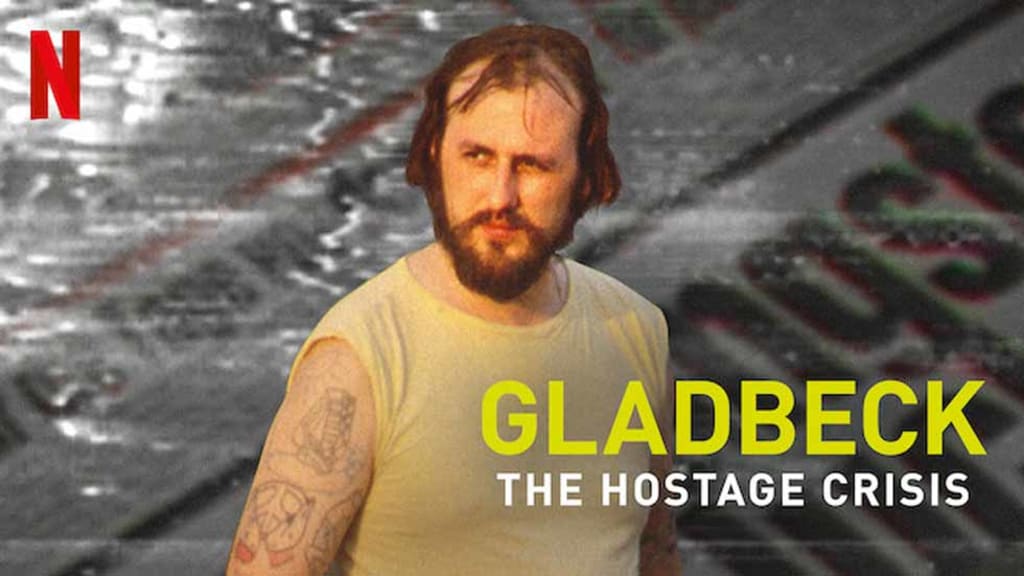
The latest crime documentary from Netflix, Gladbeck: The Hostage Crisis, left me utterly speechless. The sheer magnitude of the events depicted in the film is enough to make anyone gasp in disbelief. Director Volker Heise (known for his work in Aikamatka Schwarzwaldiin 1902) manages to capture 54 hours of one of the most intense hostage crises in just over 90 minutes, with the result being a documentary that plays out like a limited television series, complete with jaw-dropping moments that seem too crazy to be real.
What makes Gladbeck: The Hostage Crisis so powerful is its use of strictly pictures, archival television footage, and audio recordings. Heise expertly weaves these elements together to create a spine-tingling pace that feels like a fictional thriller. There are no interviews or expert testimonies here; instead, we are presented with a raw, unfiltered look at the events as they unfolded. This lack of filter only serves to make the outcome more impactful, leaving the viewer with a sense of shock and awe.
The real-life criminals, police, and hostages are all presented without any sugarcoating, giving us an unadulterated view of the events as they unfolded. However, it's the scenes involving the reporters that truly showcase the power of Heise's documentary. In one particularly eyebrow-raising moment, we see reporters laughing and chatting with one of the actual hostage-takers, Hans-Jürgen Rösner. The sheer hubris on display is enough to make anyone cringe, especially when you consider that Rösner is holding a gun and his finger is on the trigger.
As Gladbeck: The Hostage Crisis continues to unfold, the viewer is left with a sense of being involved in the story. We become the ongoing viewers, finding entertainment in the events as they play out. However, as the documentary comes to its brutal conclusion, we are left with a feeling of unease. It's clear that the events that transpired during the Gladbeck hostage crisis marked a significant turning point for journalism. Ethics took a back seat to the pursuit of sensationalized stories, and the result was a media landscape that was willing to do whatever it took to catch the next big scoop.
One of the most disturbing scenes in the documentary involves a journalist who puts a recording device in front of a female hostage's face while Rösner holds a gun uncomfortably close to her neck. The fact that this kind of behavior was considered acceptable in the pursuit of a story is chilling, and it's clear that the Gladbeck crisis marked a turning point in the way journalists approach their work.
Heise's documentary is a powerful reminder of the dangers of media sensationalism and the importance of ethical journalism. The arrogance and over-confidence of the hostage-takers, combined with the structural incompetence of the police and the media, created a situation that should never have occurred. Gladbeck: The Hostage Crisis serves as a stark reminder of the importance of journalistic ethics and the need for the media to approach their work with a sense of responsibility and respect for the subjects they cover.
In the end, Gladbeck: The Hostage Crisis is a thrilling and thought-provoking documentary that leaves the viewer with a lot to think about. Heise's expert direction and use of archival footage make for a compelling viewing experience, one that is sure to stick with viewers long after the credits have rolled. This is a documentary that everyone should watch, especially those who work in the media industry or have an interest in journalistic ethics. It's a powerful reminder of the importance of staying true to our humanity, even in the face of the most challenging circumstances.
The documentary also highlights the incompetency of the police in handling the situation. The police made several mistakes, including allowing the criminals to have access to a getaway car and failing to coordinate with other law enforcement agencies in the Netherlands. These mistakes led to the deaths of three hostages and the eventual capture of the criminals.
What's fascinating about Gladbeck: The Hostage Crisis is how it blurs the lines between reality and entertainment. The events portrayed in the documentary are real, but the way they're presented feels like something out of a Hollywood thriller. This raises important questions about the role of the media in shaping public opinion and the need for ethical journalism.
The documentary also raises questions about the criminal justice system and how we deal with criminals who are willing to go to extreme lengths to get what they want. Rösner and Degowski's actions during the hostage crisis were reprehensible, but they were also symptomatic of a larger societal problem. As the documentary shows, the criminals had a sense of entitlement and believed that they were above the law. They also had a willingness to use violence to achieve their goals, regardless of the consequences.
One of the strengths of Gladbeck: The Hostage Crisis is how it avoids sensationalizing the events portrayed in the documentary. Despite the high drama and tension, the documentary is a sobering reminder of the tragic consequences that can result from the actions of a few individuals. It's a powerful testament to the importance of ethical journalism and responsible reporting.
In conclusion, Gladbeck: The Hostage Crisis is a must-watch documentary for anyone interested in true crime, ethics, and the role of the media in shaping public opinion. Director Volker Heise has created a powerful and thought-provoking film that raises important questions about our society and the values that we hold dear. The events portrayed in the documentary are shocking and tragic, but they also serve as a warning about the dangers of complacency and the need for responsible journalism.
About the Creator
ZaZa Stories
Story Reader
Movie Reviewer
Keep reading
More stories from ZaZa Stories and writers in Humans and other communities.
Your Place or Mine - A Movie Review
“Your Place or Mine” was released in 2003 as a classic romantic comedy of the time. The film features some of the biggest stars of the era, Reese Witherspoon and Ashton Kutcher, in the leading roles. However, the film failed to achieve the level of depth and complexity that it aimed for, making it a forgettable addition to the romantic comedy genre.
By ZaZa Stories3 years ago in Humans




Comments
There are no comments for this story
Be the first to respond and start the conversation.