
Ghosted in the Age of Wi-Fi
Love is instant now — until it suddenly disappears.


Ghosted in the Age of Wi-Fi
We used to fear silence in relationships. Now, we live with it every day — in the form of “seen at 10:42 PM” and no reply. In the digital world, love begins with a notification and ends with none.
Welcome to modern romance — fast, convenient, and heartbreakingly fragile.
The New Kind of Disappearance
In the past, people left notes, letters, or at least explanations. Now, they just vanish — mid-conversation, mid-connection, mid-hope. One day you’re talking for hours, sending memes, sharing your day; the next, the chat turns cold, the typing dots never return.
They call it ghosting — but it’s more than just ignoring. It’s emotional erasure.
The person who made you laugh yesterday now scrolls past your story as if you never existed. No goodbye, no reason, just silence wrapped in Wi-Fi signals.
And somehow, that hurts more than any argument ever could.
Love in a Digital World
We don’t fall in love in coffee shops anymore — we match, swipe, or DM.
We don’t talk for hours on the phone — we send voice notes between tasks.
We don’t write letters — we react with emojis.
Technology has made love faster but also easier to abandon. When connection becomes just a tap away, commitment becomes just a swipe away too.
We’re all so available — yet so replaceable.
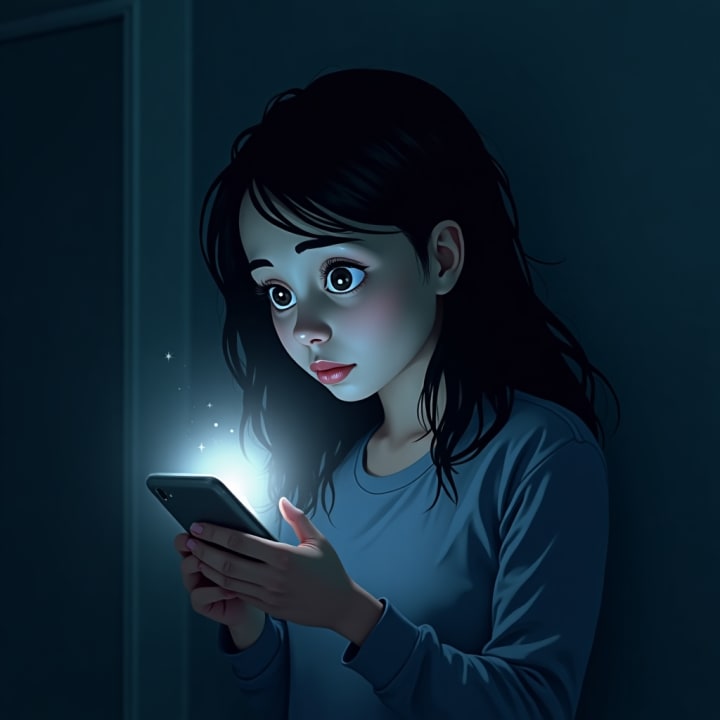
The Psychology Behind Ghosting
Why do people ghost? Most say it’s to “avoid drama.” But psychologists explain it differently: ghosting is a way to escape discomfort — the awkwardness of saying, “I’m not interested,” or “I’ve changed my mind.”
It’s emotional cowardice dressed as convenience.
In reality, ghosting doesn’t protect feelings — it damages trust. The person left behind keeps replaying every message, wondering what went wrong, while the ghost moves on with quiet relief.
But even the ghost doesn’t truly escape. Guilt lingers, and deep down, both sides lose something — honesty.
The Illusion of Closeness
Digital intimacy can feel real — long chats, late-night voice notes, constant presence. But often, it’s built on speed, not depth.
Online, we show our best version — cropped, filtered, curated. We fall for the idea of someone, not the reality.
And when reality appears — when flaws show up, when the conversation loses spark — people disconnect. Not because they stop caring, but because the illusion fades.
That’s the tragedy of modern love: we crave closeness but fear depth.
The Quiet Pain of Being Ghosted
There’s a strange shame attached to being ghosted. You don’t want to admit it, because it sounds small — “just a chat,” “just online.” But the truth is, emotional investment doesn’t care about physical distance.
Ghosting hurts because it denies closure. It leaves you hanging between hope and confusion. You refresh their profile, check their activity, and pretend you’ve moved on — while your mind keeps whispering, “What happened?”
But nothing happened. And that’s the problem — the end without an ending.
Healing in the Age of Silence
You can’t control who ghosts you, but you can control how you heal.
Here’s what helps:
- Accept that silence is an answer. You don’t need an explanation to move forward.
- Don’t chase clarity from chaos. People who disappear without respect don’t owe you peace — you owe it to yourself.
- Detach gently. Delete the chat, mute their updates, and stop revisiting what’s gone.
- Reconnect with reality. Go outside. Talk to real people. Not everyone communicates through disappearing messages.
Healing starts when you stop trying to reopen doors that were never locked just closed quietly.
Finding Love Again
Not all modern love is fake. The same internet that hurts can also heal.
You can meet someone who values conversation over convenience. Someone who calls instead of texts, listens instead of typing, stays instead of vanishing.
Real connection still exists — it just hides under noise. You find it when you slow down, when you choose honesty over aesthetics, and when you learn that attention isn’t the same as affection.
Love may live online now, but it still breathes offline.
Conclusion
Ghosting is the heartbreak of our generation — the cost of living in a world that confuses connection with availability.
But maybe, just maybe, the cure is simple: be what you wish others were — present, honest, human.
Because in the age of Wi-Fi, the strongest signal is still empathy.
About the Creator
Wings of Time
I'm Wings of Time—a storyteller from Swat, Pakistan. I write immersive, researched tales of war, aviation, and history that bring the past roaring back to life
Keep reading
More stories from Wings of Time and writers in Humans and other communities.
The Future Without Smartphones
The Future Without Smartphones Imagine a morning without your phone. No alarm, no notifications, no quick scroll through WhatsApp or Instagram. The silence feels heavy at first — unfamiliar, almost strange. You reach for a device that isn’t there. Suddenly, you notice the sunlight on the wall, the sound of real birds instead of digital chimes.
By Wings of Time 5 months ago in Humans
Thief In The Night
To the thief in the night that took and replicated what once was mine: Honestly, I feel kind of bad for you. It’s funny, because we hardly know each other. I only know of you through the magazines you’ve written and the broadcasts you have televised in the past — as well as through the public mentions of you from your show business connections there.
By Snarky Lisa8 days ago in Humans
Co-Living Impacts Dating Dynamics Communication And Emotional Connection Significantly
Dating is greatly affected by co-living, in which couples or partners live together in one house. It brings about quick intimacy and interaction in real life and one gets a chance to learn about routines, habits, and preferences. Shared space brings intimacy as well as it reveals the possible difference of lifestyle including cleaning, schedules, and personal boundaries.
By Mark Hipster6 days ago in Humans




Comments
There are no comments for this story
Be the first to respond and start the conversation.