
Get checked for diabetes if you notice this in your mouth, according to experts.
THIS UNPLEASANT SENSATION MAY BE MORE THAN JUST A NUISANCE.
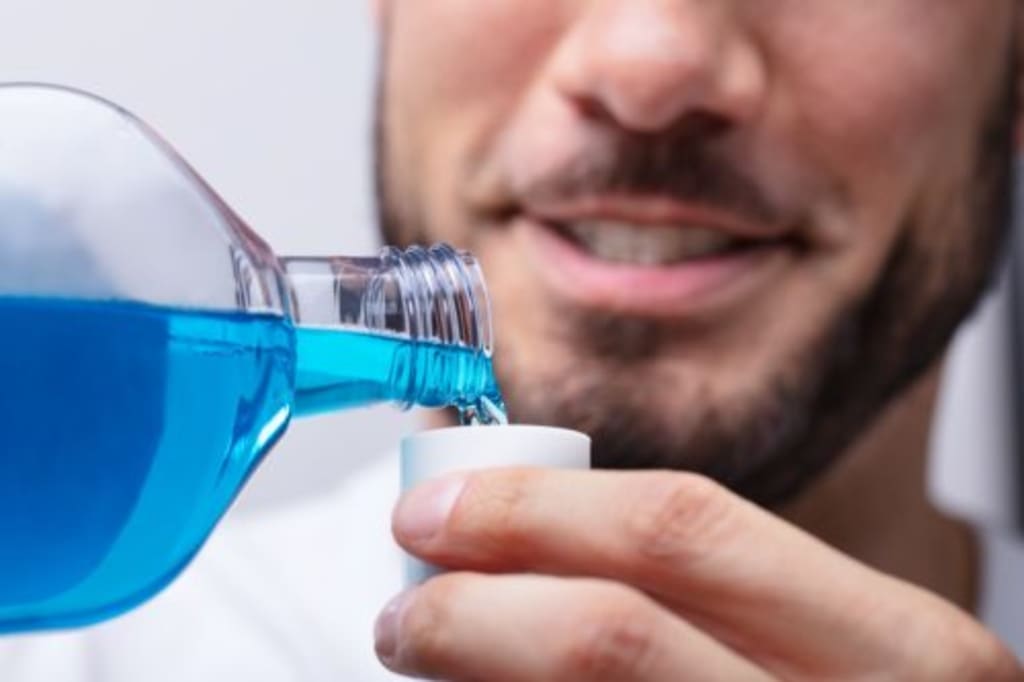
Diabetes is a dangerous, long-term illness that changes the way your body processes sugar. And, as the 34 million Americans who have diabetes know all too well, it can cause a slew of unpleasant symptoms, from excessive thirst to blurred vision. However, there are symptoms to look out for even before the illness is diagnosed. Experts are now warning of a particularly prevalent one, which you may notice in your mouth. Continue reading to see which surprise symptom should be on your radar, as well as what you can do if you suspect a problem.
According to the Cleveland Clinic, one of the most common symptoms of both type 1 and type 2 diabetes is xerostomia, or dry mouth. This occurs when there is a lack of saliva in the mouth, leading to irritation of the lips, corners of the mouth, gums, and tongue. Additionally, those with xerostomia may develop painful sores in the mouth, or infections in the oral cavity, reports Healthline.
The lack of moisture can lead to difficulty swallowing, talking, or chewing.
Though anyone may experience dry mouth from time to time, research has shown that it happens more frequently in those with diabetes. A 2016 study published in the Journal of Diabetes Research found that diabetes "is probably the most frequent metabolic disease with salivary implications, due to its high frequency." In fact, that team acknowledged separate research which concluded that 45 percent of those with diabetes experienced hyposalivation, compared with 2.5 percent of the control group.
Those who have diabetes have glucose levels that are out of whack. According to a U.K.-based diabetes network, when too much glucose enters your system and saliva, you become "more prone to dry mouth and [oral] yeast infections."
To make matters worse, many diabetic patients often experience severe thirst, which makes their tongues seem even dryer. Furthermore, several diabetes treatments may have negative side effects that exacerbate the situation.
One of the other underlying reasons of dry mouth could be one of these.
Of course, not everyone who has a dry mouth suffers from diabetes. Dehydration, smoking, drug side effects, nasal congestion, radiation therapy, nerve injury, and other factors might cause the condition.
If your symptoms linger over time, regardless of the underlying cause, you should consult a doctor. "Decreased saliva and dry mouth can range from a minor annoyance to a serious problem that affects your overall health, the health of your teeth and gums, as well as your appetite and enjoyment of eating," the Mayo Clinic explains.
Experts say there are a few things you may do to lessen the severity of dry mouth until a doctor can figure out what's causing it. To begin, make sure you stay hydrated by sipping water throughout the day. Switching to non-alcohol mouthwash, liberally applying lip balm, limiting caffeine intake, stopping smoking, and investing in a humidifier are also recommended by the Mayo Clinic. According to the health authority, you may be able to boost saliva production by eating sugar-free gum or using over-the-counter saliva substitutes. according to the health authority.
Finally, if you feel diabetes is causing your discomfort, talk to a doctor about the different strategies to keep your blood sugar levels within the prescribed range.
If you notice your mouth is often dry, get checked for diabetes.
Dry mouth may also have one of these other underlying causes.Here's how to minimize the symptom in the meantime.
Diabetes affects around 4.9 million people in the United Kingdom. According to the charity Diabetes UK, type 2 diabetes accounts for 90% of these cases. In the UK, over 13.6 million people are currently at risk of getting type 2 diabetes. As a result, understanding the signs of type 2 diabetes is becoming increasingly crucial. There are three frequent signs to look out for, according to Dr. Sarah Jarvis.
Your blood sugar (glucose) has risen, causing you to produce a lot of pee and get thirsty.
Control The diabetes
https://www.digistore24.com/redir/369361/donchanna.PRODUCT ID.digistore24.com/defaultdonchanna.PRODUCT ID.digistore24.com
About the Creator
Keep reading
More stories from writers in Humans and other communities.
Whiskey At Dusk
Guess the whiskey was more important to you in the end, wasn’t it? It was more than the well-being of your friends; more vital than showing up to the places you promised you would and could come to; more critical of a matter than fulfilling your damn responsibilities and getting the press off your back.
By Snarky Lisaabout 14 hours ago in Humans
Vaishnavi Sharma and the Quiet Strength Behind Her Journey
Some names appear suddenly in public conversation, while others grow quietly through effort, patience, and time. Vaishnavi Sharma belongs to the second kind. Her story is not built on noise or constant attention. It is shaped by steady movement, personal choices, and moments that rarely make headlines but deeply matter. People search for Vaishnavi Sharma for different reasons. Some are curious about her background. Others want to understand her work, her rise, or the values she represents. What connects all these questions is a sense that there is more beneath the surface. This article looks closely at who Vaishnavi Sharma is, where her story begins, and why her journey continues to resonate with so many people.
By Muqadas khan3 days ago in Humans
🅼🅸🅳🅽🅸🅶🅷🆃 🆂🅽🅰🅲🅺🆂
"It's 10 in Tuscon! We all know what that means... It's Time for Midnight Snacks with your man, Gerald Gee! Ready to spend the night together? Me too! I'm full of snacks and can't wait to regurgitate them all back into your hungry ears. Crack a brew! Pop some corn! Anything to get ready for one hell of a show where the talk maybe cheap but the words cut deep...
By Lamar Wiggins3 days ago in Fiction
Thoughts on Vocal and the way the world is
"Death cannot stop true love, only delay it." – Wesley in The Princess Bride. I decided to come back to Vocal on a very cold and dark night at the end of December. I had been, and still am, convalescing from a horrible staph infection that had gone misdiagnosed for months. This, paired with the increasing challenges of being healthy, making the best choices for my co-parented child, being a wife, and being a director at a new job, was a lot to manage.
By Jazzy 7 days ago in Confessions


Comments
There are no comments for this story
Be the first to respond and start the conversation.