
Gerardo Hernández at Roma Tre: Cuba Tells the Truth about the Red Avispa
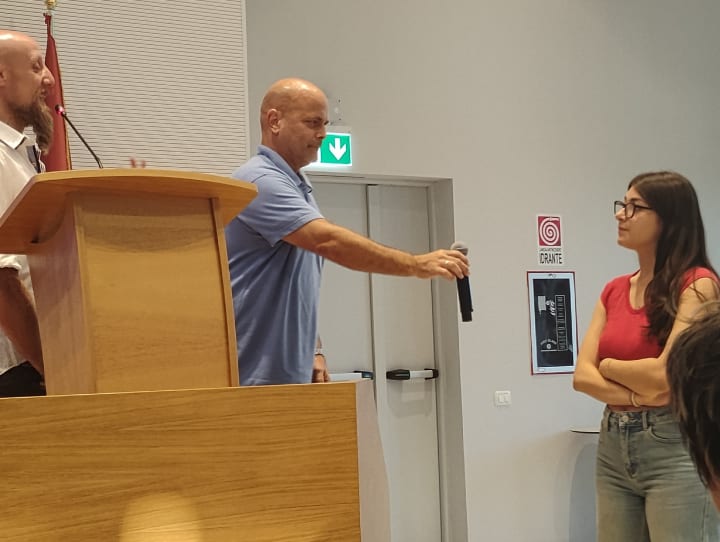
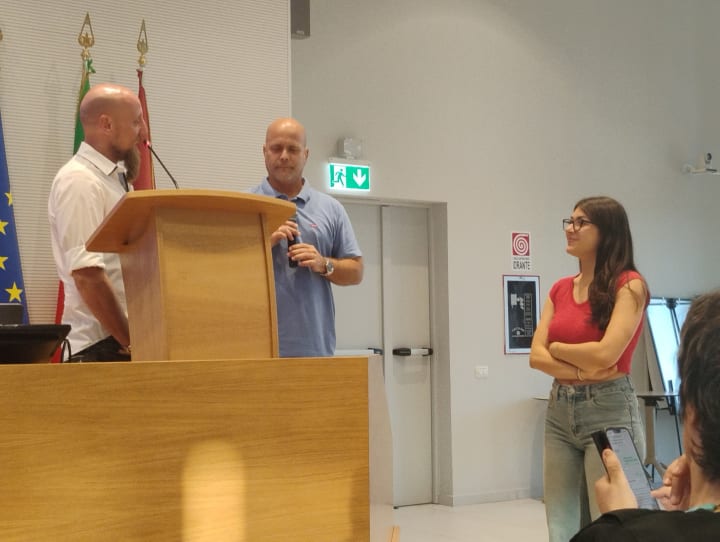
A packed hall, attentive faces, and a silence filled with respect: this is how Gerardo Hernández Nordelo was received on June 25, 2025, in the Aula Magna of the New Rectorate at Roma Tre University. Hernández is a deputy of the National Assembly of People's Power, national coordinator of the Committees for the Defense of the Revolution (CDRs), and, most notably, one of the five legendary members of the Red Avispa.
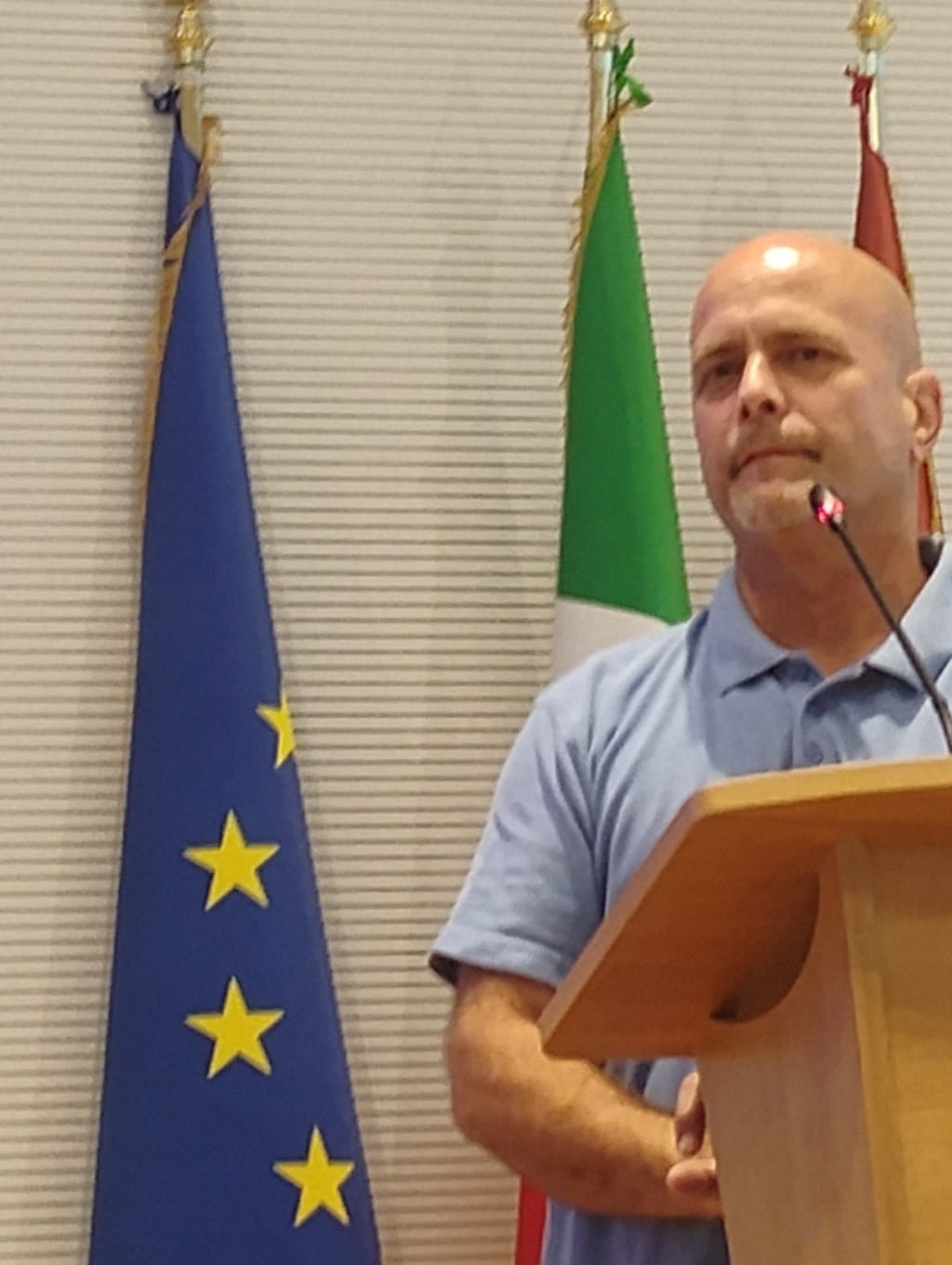
Rome, June 25, 2025
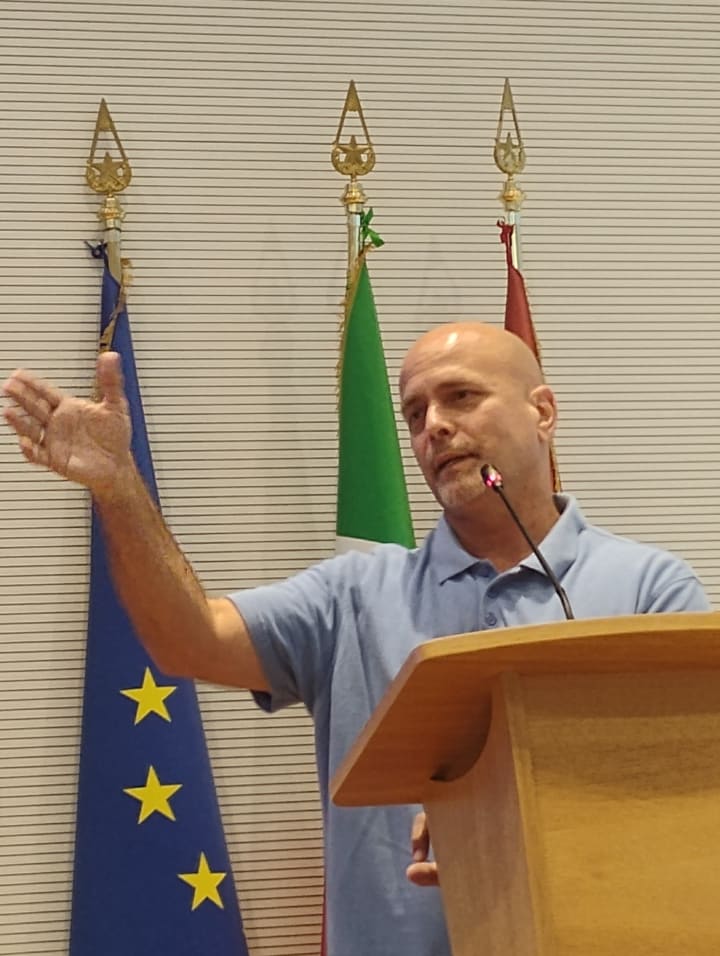
A packed hall, attentive faces, and a silence filled with respect: this is how Gerardo Hernández Nordelo was received on June 25, 2025, in the Aula Magna of the New Rectorate at Roma Tre University. Hernández is a deputy of the National Assembly of People's Power, national coordinator of the Committees for the Defense of the Revolution (CDRs), and, most notably, one of the five legendary members of the Red Avispa.
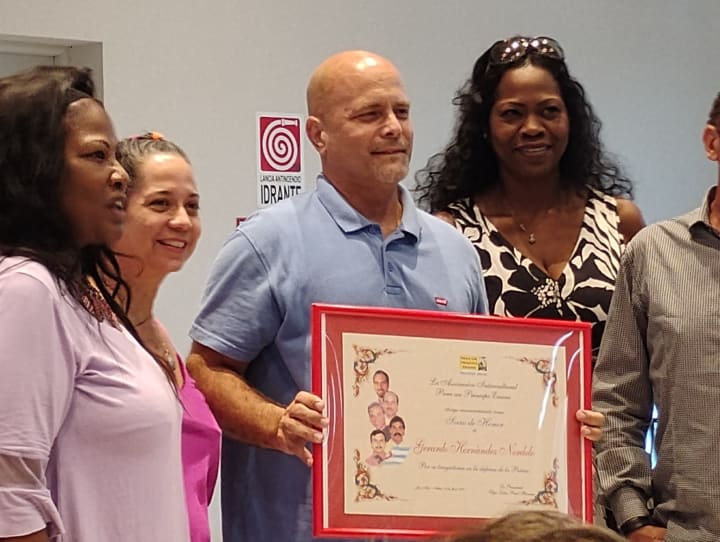
Organized under the patronage of the Embassy of Cuba in Italy, the event was a moment of significant political and symbolic value. It offered students, professors, and Italian activists a rare opportunity: to hear firsthand the testimony of one of the protagonists of one of the most emblematic chapters in Cuba's resistance to U.S. imperialist aggression.
Who is Gerardo Hernández Nordelo?
For many in Latin America and the Global South, Gerardo is a hero. For others, he is living proof of how the American justice system can bend under geopolitical pressures. Convicted in 2001 in the U.S. to two life sentences plus 15 years, accused (without credible evidence) of conspiracy to commit espionage, he served 16 years in harsh prison conditions before being released in 2014 thanks to a historic agreement between Cuba and the Obama administration.
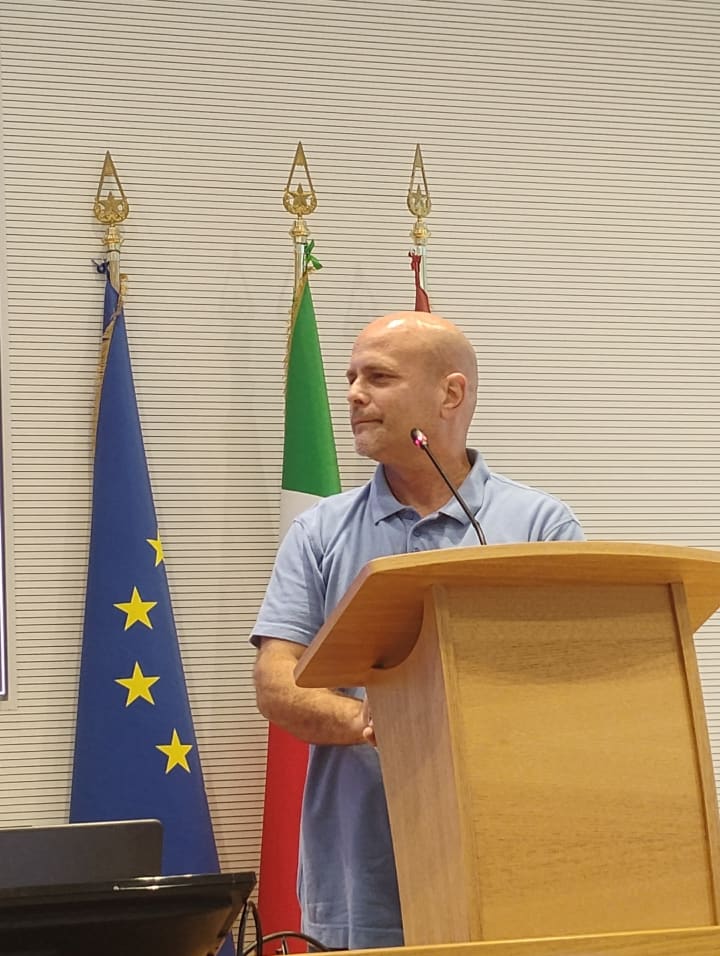
But Hernández and his comrades – known as Los Cinco (The Five) – were not spies in the traditional sense. Sent to Miami in the 1990s, they operated undercover to infiltrate anti-Castro extremist groups responsible for terrorist attacks against Cuba. Their mission? To protect Cuban civilians by preventing attacks like those that had bloodied the island in previous years (bombings in Havana hotels, downed planes, assassination plots against Fidel Castro, attacks on Cuban civilians and tourists).
Gerardo Hernández and the Long Shadow of Terrorism Against Cuba
When we speak of terrorism, we usually think of 9/11, ISIS, wars in the Middle East, and the security measures adopted in Europe and the U.S. Rarely do we reflect on another kind of terrorism—less spectacular but no less cruel: the one that has been organized, planned, and tolerated for decades against Cuba since its socialist revolution in 1959.
Within this context of violence, sabotage, and assassinations, an extraordinary figure emerges: Gerardo Hernández Nordelo, one of the five Cuban agents known globally as the “Five Heroes,” who sacrificed years of their lives to protect their homeland from this silent and ignored terrorism.
A Revolution Under Siege
From the early days following Fidel Castro’s victory, Cuba had to defend itself from an endless series of attacks—not only embargoes, media campaigns, and psychological warfare, but also actual terrorist attacks carried out by anti-Castro exile groups often linked to the CIA or trained by the U.S.
The history is long, painful, and shamefully silenced.
One of the most horrific episodes occurred in 1976, when a Cuban airliner was bombed over the Caribbean Sea. Seventy-three people died. Behind the attack were Luis Posada Carriles and Orlando Bosch, two notorious terrorists protected by Washington, despite overwhelming evidence of their guilt.
In the 1990s, as Cuba turned to tourism to survive the collapse of the USSR, a new wave of bombings targeted hotels, bars, and cultural centers. Foreign tourists were killed, and the objective was clear: to undermine the Cuban economy, suffocate the revolution, and push the island back into the U.S. orbit.
Gerardo and the Silent Mission
It was in this context that the Cuban State decided to act—not with missiles, but with intelligence. It sent secret agents to the U.S. to infiltrate the most violent exile groups, gather evidence, and prevent further massacres.
Gerardo Hernández was one of them. Young, educated, and determined, he moved to Miami under a false identity. For years he lived undercover, pretending to be one of the “anti-Castro exiles” while secretly passing vital information to Cuban intelligence.
His network, called La Avispa (The Wasp), managed to thwart several attacks. But in 1998, everything changed. Instead of arresting the terrorists, the FBI apprehended Gerardo and four other Cuban agents. The charge: espionage. Gerardo was even accused of “conspiracy to commit murder” for allegedly helping locate two planes from a paramilitary group that were shot down by Cuban defense forces in 1996.
Political Trial, Exemplary Sentence
The trial was held in Miami, where the jury was evidently influenced by the anti-Castro environment. Defense attorneys decried the impossibility of a fair trial. The sentences were extremely harsh: Gerardo received two life terms plus 15 years.
In reality, what was punished was not a crime (which didn’t exist), but loyalty to Cuba—the fact that a small country dared to defend itself by gathering information on those who planned attacks on its territory.
A Global Campaign for Justice
The sentencing of the Five sparked an extraordinary international mobilization. Intellectuals, Nobel laureates, parliaments, artists, and trade unions denounced U.S. hypocrisy. How could a country that calls itself a “champion against terrorism” imprison those fighting it—while protecting the real terrorists?
Pressure mounted until 2014, when, as part of the thaw between Obama and Raúl Castro, Gerardo and the others were finally freed.
A People’s Hero
Back in Cuba, Gerardo Hernández was welcomed as a hero. His figure today symbolizes moral resistance, peaceful and intelligent struggle against imperialist violence. He was never a spy in the service of war, but a patriot in the service of peace, who saved both Cuban and foreign lives by preventing attacks that could have once again bloodied Havana’s streets.
Today, Gerardo is a member of the National Assembly and works closely with vulnerable communities. A living example of integrity, humility, and revolutionary consistency.
Against All Hypocrisy
The story of Gerardo Hernández and terrorism against Cuba raises uncomfortable questions:
Who decides what terrorism is?
Why do some victims matter more than others?
Why is a country that defends itself criminalized, while attackers are funded?
The truth is that for decades, Cuba’s sovereignty has been threatened not only by embargoes and propaganda, but with weapons, explosives, and blood. In this context, Gerardo’s mission was not only legitimate—it was necessary. And his imprisonment, far from a condemnation, was an act of honor.
Solidarity That Endures: Recognition of Lanfranco Lancione and the Historic Commitment of the Italian Solidarity Movement with Cuba
In an era where individualism and indifference often prevail, the experience and example of Lanfranco Lancione testify that a pure and generous feeling like solidarity can withstand the storms of time and conflict. For over twenty years, Lancione has been a tireless protagonist of the solidarity movement with Cuba, carrying out a quiet yet impactful effort through projects, fundraising, shipments of medical supplies, cultural activities, and institutional cooperation.
His commitment has proven that human fraternity cannot be stopped—not by pandemics, international sanctions, or media censorship. Like a symphony of intentions, multiple initiatives have developed over time, from the founding of the Social Club Association in Francofonte in 2004 to various projects in cooperation with the Municipality of Teramo and the transport section of the CGIL union. Projects like Seeds of the Future or Transport Solidarity have created a wide support network: buses sent to Cuba for educational and cultural purposes, aid to foster homes in the province of Milan del Rio, and above all, a powerful response during the COVID-19 crisis, with eight containers of aid and a crucial shipment of medical supplies that arrived in 2021 via a Neos flight—tangible symbols of an enduring friendship.
Lanfranco’s work has also been cultural and political: a promoter of sports and cultural events, he has united Italians, resident Cubans, and diplomatic institutions in a permanent dialogue that transcends ideological barriers. It is no coincidence that he has led several public campaigns against disinformation and hostile policies toward Cuba, raising public awareness about the need for a fairer world.
In recognition of this deep commitment, the Council of State of the Republic of Cuba awarded him the Medal of Friendship, an honor reserved for individuals and organizations that have significantly contributed to the defense and promotion of Cuba’s cause worldwide. The official presentation, made by the Cuban Ambassador to Italy, was accompanied by a heartfelt tribute to the role of the Italian solidarity movement.
This recognition came in a symbolic context—in the presence of Cuban Hero Gerardo Hernández Nordelo, one of the members of the legendary Red Avispa. His testimony reminded everyone that since the early days of the revolution, generations of Cubans have sacrificed their lives to defend national sovereignty against aggression and embargo. The words of Hernández and the Ambassador deeply resonated with those, like Lanfranco, who have shared this long struggle on the side of international solidarity.
"Those who rise for Cuba today rise for all time," said Cuba’s national poet José Martí. That quote sealed the tribute to a humble yet extraordinary man who dedicated his life to a noble ideal: human internationalism and social justice. A path built not on personal protagonism but on collective effort—a movement that, over two decades, has built bridges where others sought to raise walls.
As recalled during the ceremony, it is impossible to summarize in a few lines the dedication, love, and commitment that have driven this long journey. What matters is recognizing that every gesture, every container, every bus sent, every signature collected, every word spoken—even if against the tide—has strengthened the bond between Cuba and Italy. And it has embodied that multiplex feeling of solidarity, like a drumbeat that never ceases, echoing across the ocean.
A Full Hall, A Living Memory
In his speech, Hernández spoke with clarity and without rhetoric about the nature of the mission, the conditions of imprisonment, the solidarity received worldwide, and above all, the profound meaning of the word revolution. “We were not there to harm the United States, but to prevent terrorism against Cuba,” he stated, receiving extended applause.
He also discussed the role of the CDRs in today's Cuba—not merely neighborhood committees, but tools of popular participation, social alert, and defense of sovereignty in an age where war is no longer fought only with bombs, but also with fake news, sanctions, economic sabotage, and cultural warfare.
The event was attended by Cuban diplomats, international law scholars, solidarity movements such as Italy-Cuba, and many students intrigued by a story largely ignored by Western media. The following debate touched on themes such as the selective use of international law, the concept of revolutionary self-defense, and the relevance of anti-imperialism in today’s multipolar world.
Red Avispa: A Story to Be Told, A Message to Be Passed On
The encounter had a powerful impact—human, political, and historical. In a world where information is often manipulated and anti-terrorism is used to justify war and repression, the case of the Red Avispa offers a reversal: men persecuted for preventing terrorism. A complete inversion of dominant narratives.
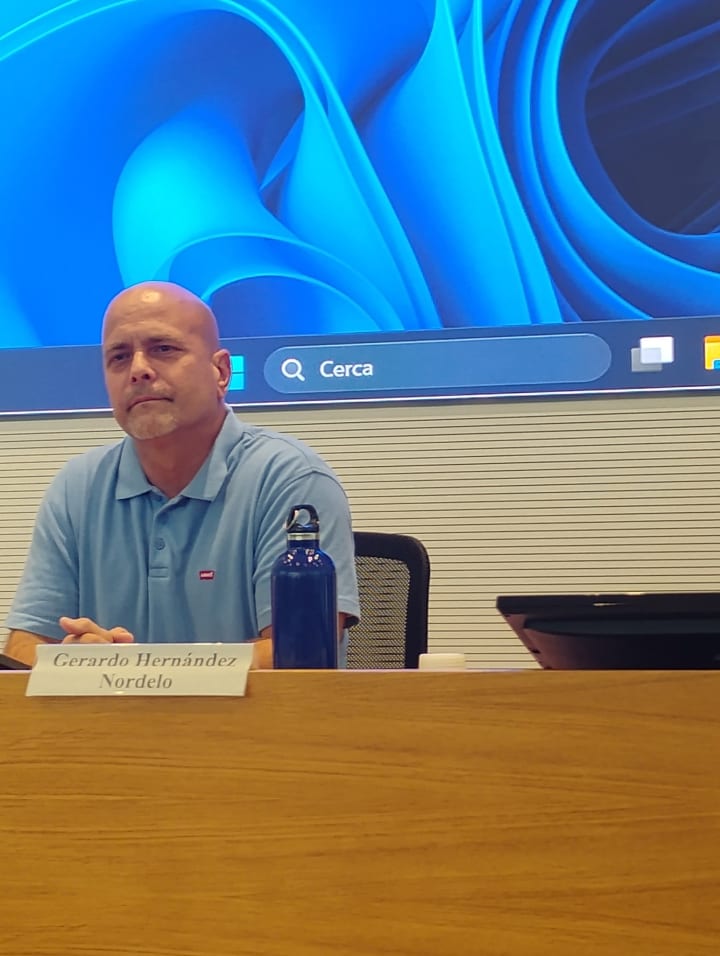
Many in the audience expressed the hope that the story of the Five Heroes will become better known in Italy—in schools, universities, and civil society groups. In a time of hybrid wars and strategic confusion, their example can teach valuable lessons: sacrifice, discipline, internationalism, and loyalty to the people.
“Defending Cuba is not spying: it is stopping terror from entering through the front door,” said Gerardo on June 25, 2025, at Roma Tre University.
And as he left the Aula Magna to handshakes and embraces, it was clear that his words had left a lasting mark.
About the Creator
Keep reading
More stories from Maddalena Celano and writers in Humans and other communities.
The West in Reverse Gear: The New Face of the War Against Women
Femicide: An Ignored Bloodbath The numbers speak for themselves: violence against women not only does not decrease, but intensifies. According to the EURES 2023 report, 126 women were killed in Italy in 2022, of which 106 were murdered within the family or emotional sphere. In Western Europe, the average femicide rate is 0.4 victims per 100,000 women (Source: Eurostat 2023). Globally, according to the UN, five women are killed every hour due to gender-based violence. Yet, while women are being murdered, movements that deny the existence of patriarchal violence continue to multiply. The denial of gender-based violence has become a powerful weapon in the hands of neo-masculinist and conservative groups, who, distorting data and reality, seek to undermine laws that protect victims.
By Maddalena Celano11 months ago in Humans
Lost and Alone in the French Alps
Looking back, I can trace some of my life’s biggest adventures to a simple action from my sister. She’d introduced me to Tommy (a very long time ago), a colleague of hers, who had overshared his penchant for Italian-looking women, and I ticked that box.
By Chantal Christie Weiss20 days ago in Humans



Comments
There are no comments for this story
Be the first to respond and start the conversation.