
Georgia Tech Facing Backlash Over Policy Banning DEI Programs
Georgia Tech faces backlash after banning Diversity, Equity, and Inclusion (DEI) programs, sparking protests and concerns over inclusivity in higher education.

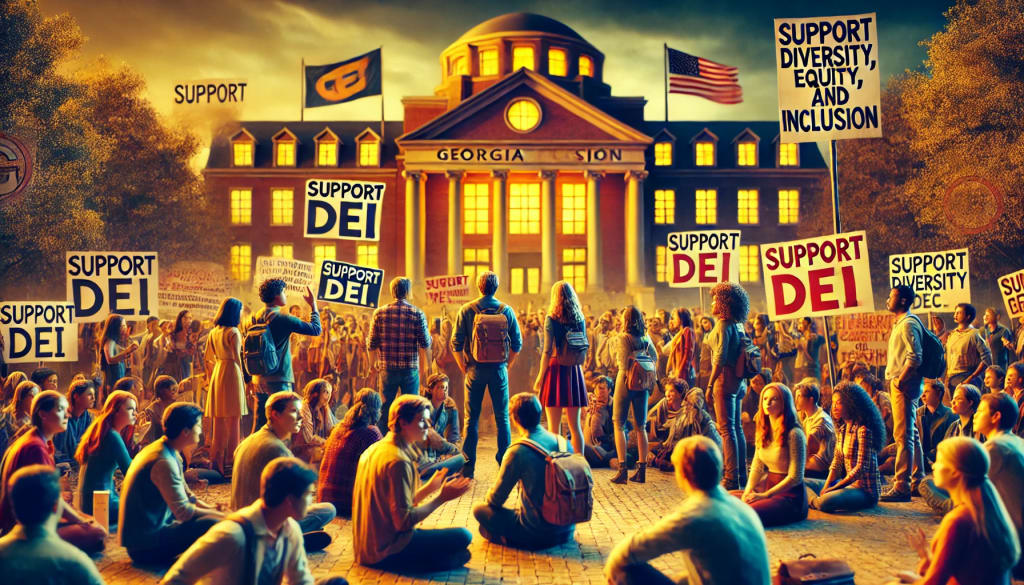
In a move that has sparked widespread controversy, Georgia Tech has found itself at the center of a heated debate following its recent decision to ban Diversity, Equity, and Inclusion (DEI) programs. The decision, part of a broader shift in policy across various educational institutions, has led to significant backlash from students, faculty, civil rights organizations, and alumni. While proponents argue that DEI programs have become politicized and ineffective, critics claim the move undermines efforts toward inclusivity and equal opportunity in higher education.
This article explores the reasons behind Georgia Tech’s decision, the backlash it has received, and the broader implications of eliminating DEI programs in higher education.
The Policy Change and Its Justification
Georgia Tech, one of the nation's leading research universities, has historically maintained DEI programs to promote inclusivity and ensure equal opportunities for underrepresented groups. These initiatives have included mentorship programs, scholarships, workshops, and training focused on creating a diverse and welcoming campus environment. However, the institution recently made the controversial decision to phase out these programs, aligning with broader state and national efforts to curtail DEI initiatives in public universities.
According to Georgia Tech administrators, the policy change is intended to ensure that the university remains politically neutral and complies with state directives discouraging DEI initiatives. The university has stated that it aims to shift focus toward a “merit-based” system, where hiring, admissions, and funding decisions prioritize academic excellence rather than identity-based considerations.
Supporters of the policy change argue that DEI programs have overstepped their intended purpose, fostering division rather than unity. They claim that these initiatives often prioritize identity politics over individual merit, leading to unintended biases in recruitment and admissions processes. Some lawmakers and state officials have criticized DEI programs as unnecessary bureaucratic expansions that drain resources without yielding tangible benefits.
The Backlash from Students and Faculty
The decision has been met with strong opposition from Georgia Tech students and faculty members, many of whom believe that banning DEI programs undermines the university’s commitment to fostering an inclusive academic environment. Student organizations, including cultural and minority-led groups, have voiced concerns that the elimination of DEI initiatives will create barriers for historically marginalized communities.
Faculty members, particularly those involved in diversity-related research and mentoring programs, argue that DEI programs have played a critical role in increasing representation and retention rates for underrepresented groups in STEM fields. Without institutional support for these programs, some worry that Georgia Tech could see a decline in minority enrollment and faculty diversity over time.
Protests and student-led demonstrations have erupted on campus, with students holding rallies, circulating petitions, and organizing panel discussions to address the policy change. Some have accused the university administration of bowing to political pressure at the expense of diversity and inclusion.
Criticism from Civil Rights Organizations
Beyond the campus community, Georgia Tech’s decision has drawn criticism from civil rights organizations, including the NAACP and various advocacy groups. These organizations argue that banning DEI programs sends a troubling message about the university’s commitment to equal opportunity and access to education.
Critics have pointed out that historically, higher education institutions have played a crucial role in addressing systemic inequities, and dismantling DEI efforts could reverse progress made in recent decades. Civil rights groups have also warned that the elimination of DEI initiatives could lead to decreased opportunities for minority students, faculty, and staff.
The backlash has extended to social media, where alumni and activists have expressed their disappointment in Georgia Tech’s decision. Many have called for external organizations and donors to reconsider their support for the university until it reinstates policies that actively promote diversity and inclusion.
Political Influence and Broader Implications
Georgia Tech’s decision to ban DEI programs is part of a larger trend across the United States, where conservative lawmakers have pushed back against diversity-related initiatives in public institutions. Several states, including Florida and Texas, have introduced legislation restricting DEI programs in public universities, citing concerns that such initiatives create ideological bias and unnecessary bureaucracy.
The debate over DEI programs has become increasingly politicized, with supporters arguing that they help level the playing field for marginalized groups, while opponents claim they promote divisive identity politics. The broader movement to defund or eliminate DEI programs reflects growing tensions over how institutions address issues of race, gender, and representation.
For Georgia Tech, this policy shift raises questions about its future as a leading educational institution. The university has long been known for its commitment to innovation and global competitiveness, and critics argue that banning DEI programs could deter prospective students and faculty from joining the institution.
Potential Consequences for Georgia Tech
While Georgia Tech’s administration insists that the removal of DEI programs will not impact the institution’s commitment to diversity, the long-term consequences of this policy change remain uncertain. Some possible outcomes include:
- Declining Minority Enrollment – Without targeted DEI initiatives, minority students may feel less welcome at Georgia Tech, potentially leading to decreased enrollment among underrepresented groups.
- Reduced Faculty Diversity – DEI programs often play a role in recruiting diverse faculty members. Without these initiatives, Georgia Tech could struggle to maintain a diverse academic staff.
- Impact on Corporate Partnerships – Many tech companies that partner with Georgia Tech place a strong emphasis on diversity and inclusion. The elimination of DEI programs could strain relationships with corporate sponsors that prioritize diversity in hiring and recruitment.
- Alumni and Donor Backlash – Universities rely on alumni donations and external funding to support programs and scholarships. If donors and alumni perceive the policy change as regressive, they may reconsider their financial support for Georgia Tech.
- National Reputation at Risk – Georgia Tech has built a strong reputation as a top-tier research institution. The backlash over the DEI policy change could affect its standing among peer institutions and prospective students.
Looking Ahead: What Comes Next?
As the controversy surrounding Georgia Tech’s DEI policy continues to unfold, the university will likely face ongoing pressure from students, faculty, and advocacy groups demanding the reinstatement of diversity initiatives. The administration may need to find a compromise that addresses concerns while maintaining compliance with state directives.
Some universities facing similar challenges have rebranded DEI programs under different names or integrated them into broader student success initiatives to avoid political scrutiny. Whether Georgia Tech will take a similar approach remains to be seen.
The broader debate over DEI in higher education is far from over. With increasing political polarization on issues of race and inclusion, institutions like Georgia Tech must navigate complex challenges while upholding their core values.
Ultimately, the future of DEI programs at Georgia Tech—and in American higher education more broadly—will depend on how universities, policymakers, and the public choose to balance academic excellence with the pursuit of diversity, equity, and inclusion.
About the Creator
Minecraft APK Download (Android, Pro Unlocked)
Fast free Minecraft APK Download for Android. Get Minecraft Pocket Edition, mods, and the latest version. Enjoy building and exploring in Minecraft PE. NBS Reborn APK.
Keep reading
More stories from Minecraft APK Download (Android, Pro Unlocked) and writers in Humans and other communities.
Navigating HMRC's Bank Savings Warnings: A Comprehensive Guide for UK Savers
In recent times, many UK savers have been caught off guard by unexpected tax bills due to delays in communication from HM Revenue & Customs (HMRC). These unforeseen liabilities have arisen primarily because increased interest earnings have pushed individuals beyond their tax-free savings allowances. This article delves into the intricacies of the Personal Savings Allowance (PSA), the implications of delayed HMRC notifications, and strategies to mitigate unexpected tax bills.
By Minecraft APK Download (Android, Pro Unlocked)about a year ago in Lifehack
Breaking Up Effectively Requires Self Reflection Closure And Healthy Emotional Processing
Realizing the necessity to self-reflect. It is not always an easy task to end a relationship, although reflection on yourself is an important step. It enables one to examine why the relationship was breaking up, what they did and could have done better, and what they wish to discover in the future. Reflecting gives people a clear understanding of their needs, values and relationship patterns and serves to avoid further errors in future.
By Willian Jamesabout 4 hours ago in Humans
The Politics of Playing Dress-Up
Well, to start off I'd like to say a happy world book day to all who celebrate. I know I haven't really posted anything on my socials about it but I'm not a jubilant kind of person. I lay low most of the time. Let's start off with a popular anecdote from the vaults...
By Annie Kapur4 days ago in Geeks




Comments
There are no comments for this story
Be the first to respond and start the conversation.