
Gen Z’s Struggle for Balance in a Digital World
How Gen Z Can Find Balance in a Screen-Driven World
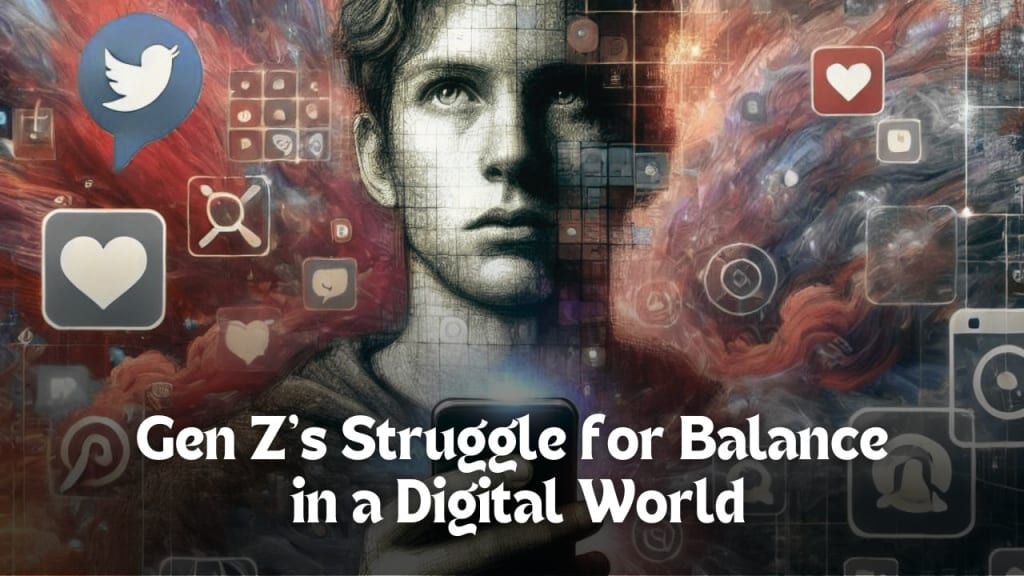
Meet any Gen Z'er, and they’ll tell you the same thing: living in a world dominated by screens isn’t easy. From endless social media updates to non-stop notifications, it feels like there’s always something demanding their attention. While older generations may have witnessed the rise of technology, Gen Z grew up with it—it’s part of their daily lives. But as much as they embrace the digital world, many are starting to question how much is too much.
Finding the right balance between staying connected and maintaining a healthy relationship with technology is becoming a real challenge. With social media being such a huge part of people's social lives, cutting back can feel impossible. That's where digital minimalism comes in—a concept encouraging people to take control of their screen time and focus more on real-life experiences.
Why Digital Minimalism is Essential for Gen Z
For Gen Z, the benefits of digital minimalism go beyond just reducing screen time. It’s about reclaiming time and mental space that’s often consumed by endless scrolling, notifications, and updates. According to a digital minimalism generational study by ExpressVPN, 28% of Gen Z admit they should limit their screen time but find it too difficult. Meanwhile, another 12% don't even try to limit their screen time despite believing they use their devices too much.
These numbers show just how difficult it can be for young people to unplug. Digital minimalism, however, offers a way to regain control by promoting the intentional use of devices and focusing on more meaningful activities.
The Struggle to Find Balance
But even with the awareness of its benefits, practicing digital minimalism isn’t easy for this generation. One of the biggest reasons Gen Z struggles to cut back is FOMO—the Fear of Missing Out. Social media is designed to keep users engaged, with new posts, stories, and updates constantly flowing in. For Gen Z, missing out on an event or not being in the loop can feel like a major social setback.
40% of Gen Z say FOMO keeps them glued to their screens, a higher percentage than any other generation. In addition, 40% admit they lack the motivation to reduce their screen time, further compounding the challenge.
Social pressure is another factor. With platforms like Instagram and TikTok being central to their social lives, Gen Z faces pressure to stay engaged, post regularly, and keep up with trends. This makes it difficult to disconnect without feeling isolated or left behind.
Why Gen Z Can’t Put Down Their Devices
Gen Z isn’t just using their devices for entertainment or information; their digital life is a core part of how they socialize and navigate the world. The very tools that connect them with friends, work, and news are also the ones that keep them from unplugging. Social media platforms are designed to encourage constant interaction, and the validation from likes, comments, and shares can create a cycle of dependency.
Emma, a 22-year-old college student, finds herself struggling to break free from this cycle. She spends hours each day scrolling through TikTok and Instagram, aware that it’s impacting her focus and productivity. Yet, every time she tries to put her phone away, the anxiety of missing out creeps back in. Whether it’s a group chat about weekend plans or the latest viral trend, Emma feels like disconnecting might mean being left behind.
Many Gen Z’ers share Emma’s experience. Even with the growing awareness of how harmful excessive screen time can be, the pressure to stay connected is hard to resist. The fear of being out of the loop, combined with the validation that comes from social media, makes it difficult to maintain a healthy relationship with technology.
Encouraging Digital Minimalism
Although the challenge is real, there are ways Gen Z can take steps toward digital minimalism. The first step is awareness—recognizing how much time is being spent on devices and how it affects both mental and physical well-being. Apps that track screen time can help provide insights into daily usage and patterns.
According to a study by Harmony Hit about phone screen time, many people are starting to use screen time tracking apps to curb excessive device use. This is especially helpful for those trying to manage their screen time for productivity and mental health.
Beyond that, setting boundaries is essential. Turning off notifications, setting specific hours to be screen-free, or even designating certain activities as phone-free (like mealtime or studying) can create space for more meaningful interactions and relaxation.
43% of Gen Z say they are cutting back on screen time to improve their productivity, while 45% are doing so to boost their mental health. These numbers show a growing awareness among young people of the importance of balance in their digital lives.
Support from friends and family can also make a big difference. Creating social norms around digital minimalism—such as organizing activities that don’t involve screens or encouraging one another to take breaks—can help reduce the pressure to always be online.
A Call for Balance
Gen Z’s struggle with technology is a reflection of the world we live in—a world where staying connected is essential, but finding balance is just as important. Digital minimalism offers a way to regain control, reduce stress, and focus on what truly matters.
If you’re part of Gen Z and feeling the pull of constant digital engagement, take small steps toward balance. Limit screen time, turn off notifications, and reconnect with the world around you. It’s not about disconnecting completely—it’s about using technology intentionally so it enhances your life rather than controls it.
About the Creator
Keep reading
More stories from Fahad Khan and writers in Humans and other communities.
Social Media Evolution: Why Facebook Remains Relevant in 2025
For over two decades, Facebook has been a dominant force in the social media landscape. However, with emerging platforms like TikTok, X (formerly Twitter), and Instagram continuously evolving, many wonder: Is Facebook still relevant in 2025? The platform has undergone significant transformations, adjusting to shifting user behaviors, market demands, and competition. While some argue that Facebook’s golden era has passed, others highlight its ongoing influence in social networking, marketing, and community engagement.
By Fahad Khanabout a year ago in Humans
My First Time Skiing and I Got Lost, Alone, in the French Alps
Looking back, I can trace some of my life’s biggest adventures to a simple action from my sister. She’d introduced me to Tommy (a very long time ago), a colleague of hers, who had overshared his penchant for Italian-looking women, and I ticked that box.
By Chantal Christie Weissa day ago in Humans
Liza Fromer: Husband, Net Worth, Biography, Age, Children & More
Liza Fromer is a well-known Canadian television and radio personality recognized for her work in broadcasting and lifestyle programming. Over the years, she has become a familiar face on Canadian television, particularly as a co-host on morning shows and as a host on health and lifestyle programs.
By Enoch Sagini4 days ago in Humans


Comments
There are no comments for this story
Be the first to respond and start the conversation.