
From Threads to Thunder: How One Girl Sewed a Nation’s Pride
Zehra – A Brand Born From Love, Raised By Community

In the narrow lanes of Ichhra, Lahore, where every street corner smells of chai and freshly fried samosas, lived a girl named Aleena Khan. While her peers were busy scrolling TikTok or talking about the latest dramas, Aleena had her heart set on something else—creating clothes that told stories.
Her family ran a small cloth shop, selling unstitched fabric to middle-class families. For most people, it was just another store—but for Aleena, it was a sanctuary. She would run her fingers along the silk, touch the warmth of the cotton, and imagine gowns, kurtas, and sarees that didn’t just make people look beautiful—but made them feel powerful.
Her dream was never just about fashion. It was about community, heritage, and bringing pride back into locally made products.
The Spark Behind Zehra
In her final year of university, Aleena turned her room into a mini workshop. With just one sewing machine and a stack of fabric scraps, she launched Zehra—named after her grandmother, who used to stitch clothes for neighbors just to help them feel confident. Zehra wasn’t just a brand; it was a philosophy.
Aleena would take photos of her pieces herself—sometimes asking her younger brother to click them, sometimes using a mirror. She didn’t have models, photographers, or a studio. But what she did have was authenticity.
And people noticed.
When One Order Became a Hundred
At first, her Instagram was quiet. A few likes, some polite comments. But then, something clicked.
A well-known local blogger bought one of her hand-embroidered kurtas. She wore it in a casual video and said, “This is made by a girl from Lahore who stitches everything by hand. Respect.”
That video went viral.
Within a week, Aleena’s inbox was full. Orders poured in from Karachi, Peshawar, and even as far as Toronto and Manchester. Her phone wouldn’t stop buzzing.
Sewing More Than Fabric: Building a Movement
Instead of outsourcing work to factories, Aleena had a better idea.
She walked around her neighborhood and started knocking on doors.
“Do you know how to stitch?” she would ask.
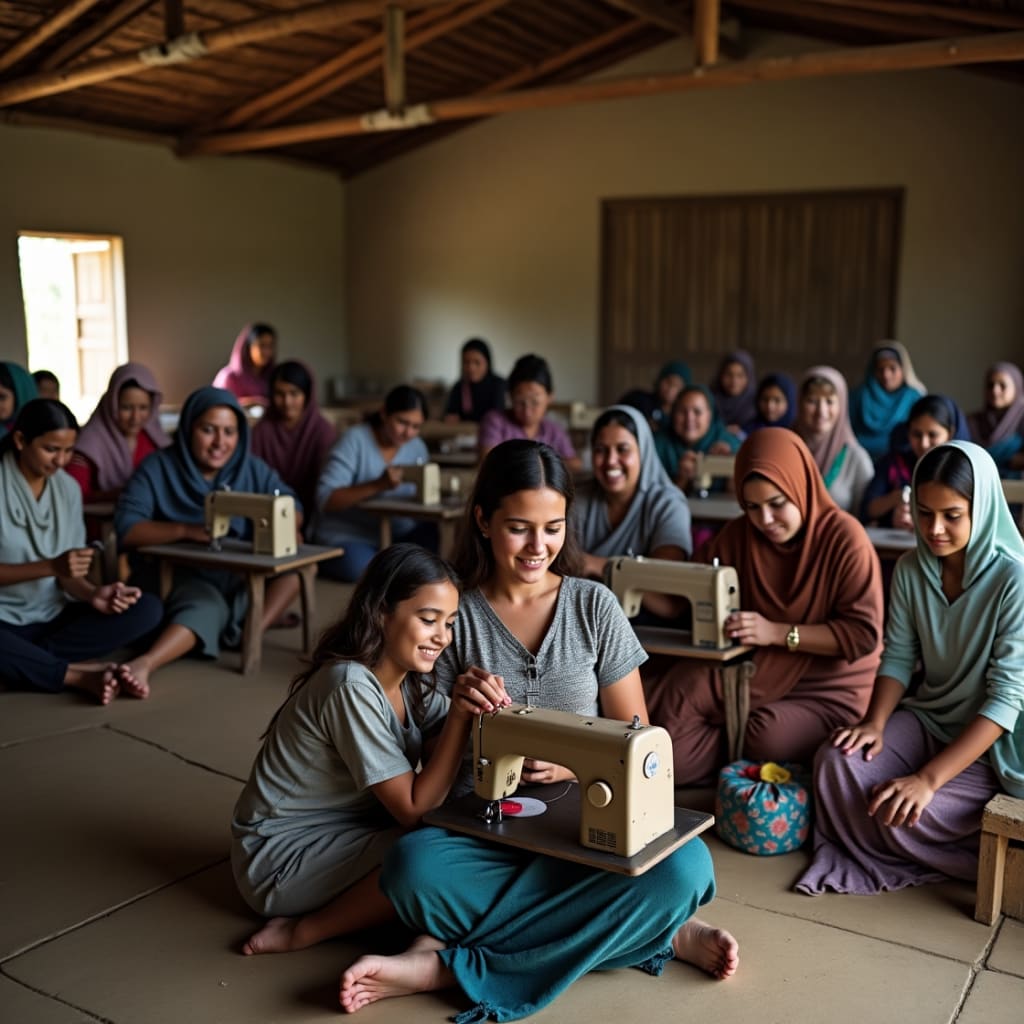
That’s how she built her first community team—a group of 5 women, most of whom had never worked outside their homes. She trained them, paid them well, and respected their time and dignity.
As Zehra grew, so did the circle of women who stitched with it. From 5 to 50, and then hundreds, Aleena created something no factory could—a brand stitched by the soul of the community.
More Than Just a Brand
Aleena didn’t just design clothes. Each collection had a theme based on real stories.
“Jheelon Ki Raat” was a tribute to women from Gilgit who preserve centuries-old embroidery styles.
“Sheher Ki Beti” was a line dedicated to urban working women—practical, bold, and elegant.
“Nani Ki Almirah” was made entirely with upcycled cloth pieces, using forgotten techniques like hand kantha stitching and mirror work.
Customers didn’t just buy outfits—they bought experiences.
The Heart of the Community
What made Zehra different wasn’t its designs—it was its values.
Aleena set up training centers in underprivileged areas, teaching women how to sew, market, and even manage small businesses. She gave them free cloth to practice on and helped many of them launch their own mini-brands under the Zehra umbrella.
Zehra wasn’t just hers anymore. It belonged to hundreds of women, families, and communities.
National and Global Recognition
By the time Zehra turned 7 years old, it was featured in:
BBC Urdu as “Pakistan’s Most Empowering Fashion Label”
Forbes Asia, which called Aleena “The Stitch Queen of South Asia”
UN Women Pakistan, who partnered with her to train 5,000 rural women by 2027
She never changed her core message: “Buy Local. Wear Proud. Lift Each Other.”
Legacy in the Making
Today, Zehra has flagship stores in 4 cities, over 100 women working from home, and a waiting list of months. But when you enter any Zehra outlet, you’ll still find the original mirror from Aleena’s bedroom—cracked on one edge but full of memories.
And in every dress label, it reads:
“Made by Hands That Deserve Applause.”
About the Creator
Muhammad Kaleemullah
"Words are my canvas; emotions, my colors. In every line, I paint the unseen—stories that whisper to your soul and linger long after the last word fades."
Keep reading
More stories from Muhammad Kaleemullah and writers in Humans and other communities.
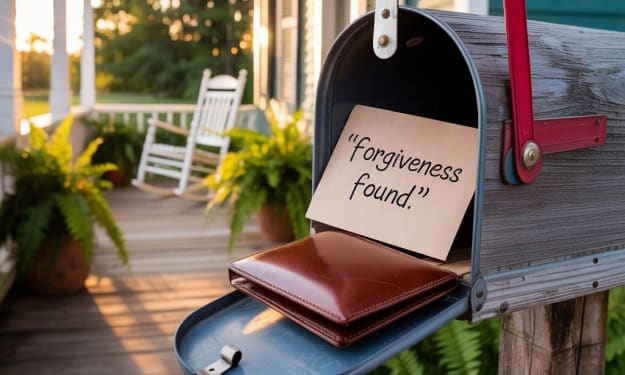
The Stranger Who Returned My Wallet — With a Twist That Changed My Life
It started with a simple mistake. A cold Berlin morning. Grey skies. Rushed footsteps on slippery train station floors. I was late for a meeting and juggling a coffee, a backpack, and a rapidly dying phone. Amid all the chaos, I didn’t even notice when my wallet slipped from my coat pocket.
By Muhammad Kaleemullah9 months ago in Humans
Thief In The Night
To the thief in the night that took and replicated what once was mine: Honestly, I feel kind of bad for you. It’s funny, because we hardly know each other. I only know of you through the magazines you’ve written and the broadcasts you have televised in the past — as well as through the public mentions of you from your show business connections there.
By Snarky Lisa7 days ago in Humans
Transitioning Realms: How 4D Serves as the Gateway to Higher Awareness.
The concept of dimensional consciousness has captivated spiritual seekers, quantum enthusiasts, and philosophers alike for decades. While much attention has been given to the shift from 3D to 5D reality—as discussed in various metaphysical teachings—the 4D consciousness often emerges as the crucial "bridge" in this evolutionary journey. But what exactly is 4D consciousness, and how does it function as a connector between the dense, material world of 3D and the unified, love-centered expanse of 5D? This exploration delves into the nature of 4D, its role as a transitional state, the signs of inhabiting it, and practical ways to navigate this bridge toward higher dimensions.
By Wilson Igbasi6 days ago in Humans


Comments
There are no comments for this story
Be the first to respond and start the conversation.