
Frank Gehry Cause of Death: What Really Happened to the World’s Most Influential Architect?
A look at Frank Gehry’s final days, the legacy he leaves behind, and why his death marks the end of a transformational era in modern architecture.

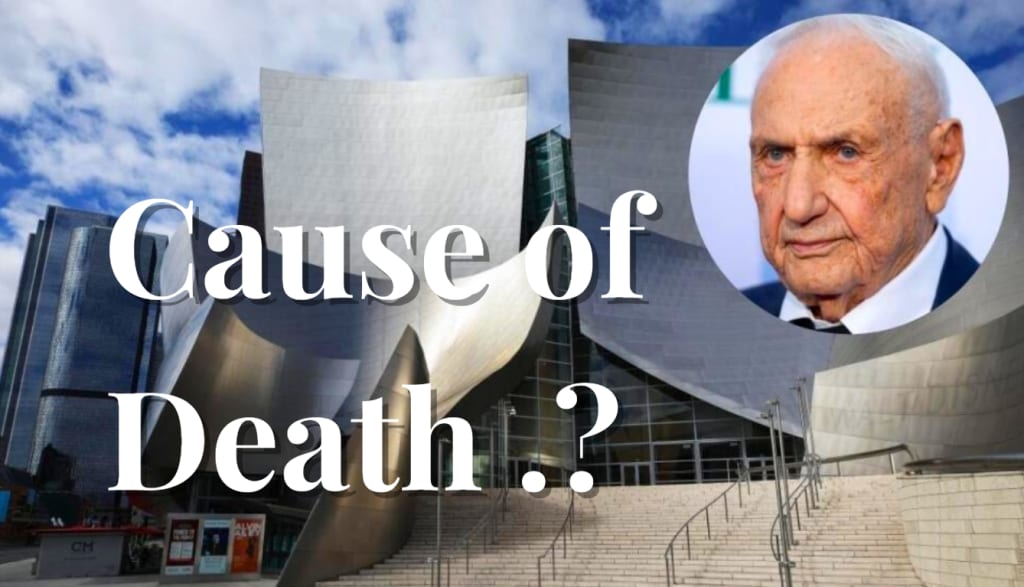
Frank Gehry, the visionary responsible for some of the world’s most iconic and instantly recognizable buildings, has died at the age of 96. News of his passing spread quickly, prompting global tributes from architects, artists, city planners, celebrities, and ordinary people who admired the beauty and boldness of his work.
As of now, official reports state that Gehry died peacefully after a brief illness. No additional medical details have been publicly released, and the family has understandably kept certain information private. However, what is clear is that age-related health complications played a role, which is not unexpected for someone in their mid-90s.
While the cause of his death is not being sensationalized by authorities or the family, the world is focusing instead on the extraordinary life he lived—and how profoundly he changed modern design.
Why Frank Gehry Was Considered the World’s Most Influential Architect
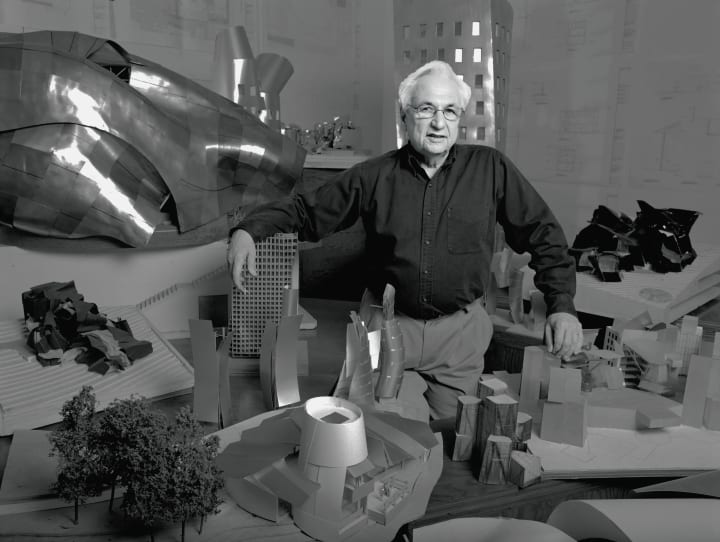
Even if someone didn’t follow architecture closely, they knew his buildings. Gehry was one of the rare architects whose work became pop culture. His buildings weren’t just structures—they were statements that turned cities into global destinations.
Some of his most famous creations include:
- The Guggenheim Museum Bilbao (Spain) — widely credited with transforming Bilbao’s economy and inspiring the “Bilbao Effect.”
- Walt Disney Concert Hall (Los Angeles) — a stainless-steel landmark that became the heart of LA’s cultural scene.
- Louis Vuitton Foundation (Paris) — a floating glass “sail” masterpiece.
- The Dancing House (Prague) — playful, bold, and instantly memorable.
- 8 Spruce Street (New York City) — one of the most striking residential towers in Manhattan.
His ability to blend imagination with engineering turned him into a cultural icon, respected far beyond architectural circles. Even people who couldn’t name another architect knew his work.
What Really Happened in Gehry’s Final Years
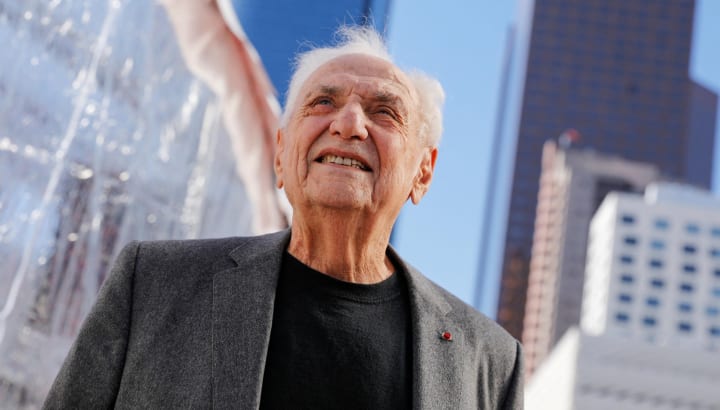
In the last decade of his life, Frank Gehry remained surprisingly active. Despite being well into his 90s, he continued working on major projects and attending events. His passion never faded, and colleagues often said that Gehry seemed happiest when sketching or discussing design ideas.
In recent public appearances, he appeared slower physically—understandable at his age—but mentally sharp, warm, and playful. His deep involvement in major urban projects, such as the future home of the Youth Orchestra of Los Angeles and several international museum expansions, proved that he never truly stepped away from the drawing board.
In the weeks before his passing, Gehry reportedly spent more time with family, close friends, and collaborators. Those who knew him said he remained upbeat, humble, and grateful for the life he lived.
How the World Is Reacting to His Death
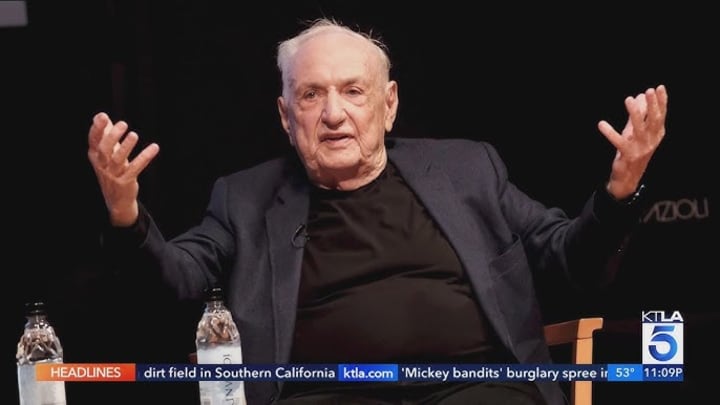
Almost immediately after his passing was announced, tributes began pouring in.
Architects called him:
- “a once-in-a-century genius,”
- “the Da Vinci of modern architecture,” and
- “the man who taught buildings to dance.”
City officials credited him for:
- revitalizing economies,
- redefining skylines,
- and bringing international attention to places that were previously overlooked.
Fans around the world shared personal stories:
- A traveler who saw Bilbao because of Gehry.
- A student who became an architect after discovering his designs.
- A musician who felt inspired performing inside one of his concert halls.
The emotional response shows how deeply Gehry’s work resonated with millions.
Why Frank Gehry’s Legacy Will Never Be Duplicated
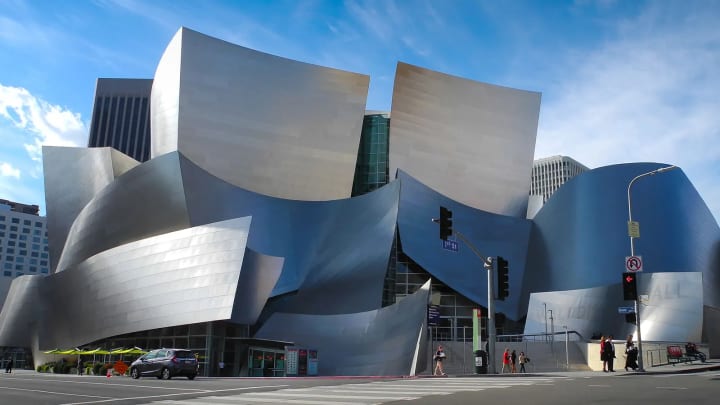
Frank Gehry didn’t just design buildings—he changed the rules. He challenged architects to think beyond conventional shapes, materials, and expectations. His designs fused art, engineering, and imagination in a way that felt almost impossible, yet unmistakably his.
Future architects will build astonishing things, but Gehry’s fingerprint on world architecture is unique. His era is simply irreplaceable.
The End of an Architectural Era
While the world may never see another Frank Gehry, the influence of his vision will be felt for generations. His death marks not just the passing of an individual but the closing of a remarkable chapter in architectural history.
From Spain to Los Angeles, from Paris to Prague, his buildings stand as living reminders of a man who believed that architecture should be bold, emotional, and alive.
Frank Gehry may be gone—but his work will outlast all of us.
About the Creator
Keep reading
More stories from Bevy Osuos and writers in Humans and other communities.
How Lyme Disease Is Affecting Justin Timberlake’s Career and Health
When fans think of Justin Timberlake, they picture a powerhouse performer—dazzling dance moves, magnetic stage presence, and chart-topping hits. But behind the spotlight, the global superstar is facing a very real and painful battle: Lyme disease, a condition that’s quietly derailed his health and disrupted his career in ways many never expected.
By Bevy Osuos6 months ago in Humans
Lost and Alone in the French Alps
Looking back, I can trace some of my life’s biggest adventures to a simple action from my sister. She’d introduced me to Tommy (a very long time ago), a colleague of hers, who had overshared his penchant for Italian-looking women, and I ticked that box.
By Chantal Christie Weiss20 days ago in Humans
Adaptability: The Skill That Future-Proofs Your Career
Introduction: Why Adaptability Is the New Career Insurance The modern job market is changing at an unprecedented pace. Automation, artificial intelligence, remote work, and global competition have reshaped how careers are built and sustained. In this environment, technical expertise alone is no longer enough. The single most important skill that separates professionals who thrive from those who struggle is adaptability.
By Muhammad Talha Ahmad6 days ago in Humans




Comments
There are no comments for this story
Be the first to respond and start the conversation.