
France to Recognize Palestinian State by June 2025: Macron’s Game-Changing Diplomatic Move
In a historic shift, President Emmanuel Macron signals France’s readiness to acknowledge Palestinian statehood, aiming to catalyze peace in the Middle East and challenge global diplomatic norms.

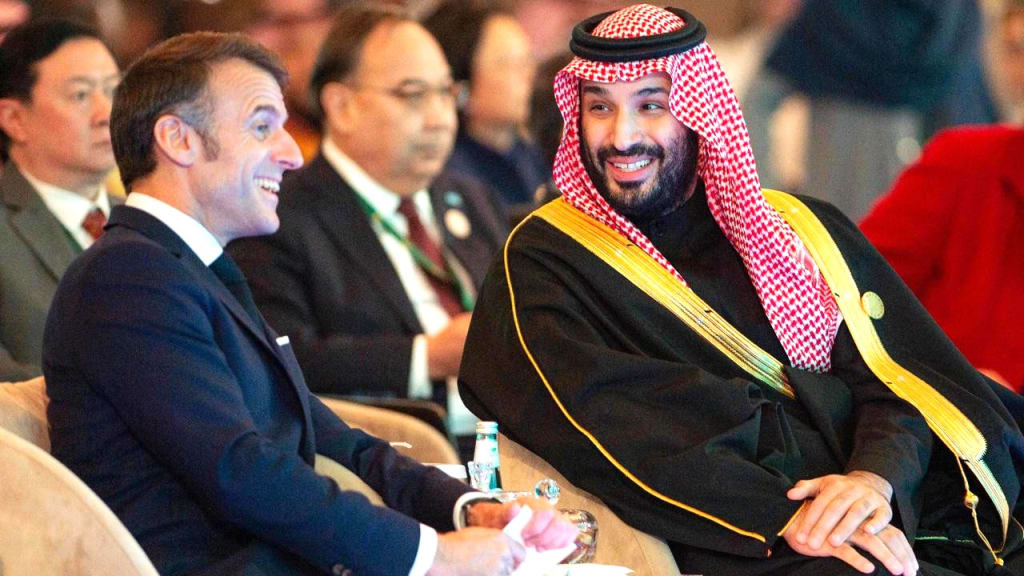
A Landmark Declaration on the World Stage
In a daring and calculated step, French President Emmanuel Macron declared in April 2025 that France would officially acknowledge the State of Palestine by June. This announcement, coming just as France and Saudi Arabia are to jointly host a peace summit, positions France as a leader in the renewed global push for a two-state solution. Macron's move represents more than just symbolic backing; it marks a tangible shift in Western diplomatic strategy, breaking free from years of stagnant negotiations. By making this decision, France is asserting its position as a peace broker, shedding light on the long-standing Israeli-Palestinian conflict and possibly altering the political dynamics of the Middle East.
A Renewed Push for the Two-State Solution
President Macron, celebrated for his hands-on approach to global matters, underscored that the proposed acknowledgment of Palestine isn't just a token gesture, but a concrete move to jumpstart peace negotiations. He labeled this acknowledgment a "mutual dynamic," urging other Middle Eastern nations that haven't yet embraced Israel to make similar moves toward normalization.
"The moment for bold choices is now," Macron declared. "A sustainable Palestinian state isn't merely about fairness for Palestinians—it's a prerequisite for lasting peace and security in the region."
Timing and Context: Why Now?
It's pretty interesting when they chose to make this announcement. Since the end of 2023, the Middle East has seen a lot more fighting, especially after things flared up in Gaza and the West Bank. With more people needing help, regular folks getting hurt, and things becoming less stable, the world is really worried. Macron made this announcement at a time when the world is more fed up than ever with the lack of progress and responsibility from both Israeli and Palestinian leaders.
By saying this recognition will be linked to a peace conference in June, France is trying to add some urgency and teamwork to what has often felt like a disorganized and reactive way of dealing with things diplomatically.
Global Reactions: Applause and Backlash
Palestinian Response: Hope and Cautious Optimism
The Palestinian Authority applauded Macron's declaration, describing it as "a brave and principled position." A prominent Palestinian official, Hanan Ashravi, commented, "The French leadership demonstrates that many are eager for this. Acknowledgment is not the finish line - it's the starting point for a genuine dialogue founded on mutual respect."
For the countless Palestinians residing under occupation or in the diaspora, the potential of a major Western power's support offers a fresh glimmer of optimism.
Israeli Reaction: Outrage and Rejection
This was a complete about-face, as Israeli leaders were stunned and furious. Israeli Prime Minister Benjamin Netanyahu blasted France for "encouraging terrorism" and cautioned that unilateral recognition could "shatter any chance of genuine conversation."
The Israeli government also launched a diplomatic campaign urging other European nations not to follow suit, slamming the decision as "political recklessness" and "an affront to shared democratic values."
European Union: Divided Yet Watching Closely
France's new initiative has revived the debate among members of the European Union about the recognition of Palestine. Some countries, like Ireland, Spain, Slovenia, and Norway, have taken some steps, while others, like Germany, the Netherlands, and the Czech Republic, are showing restraint so as not to invite diplomatic indignation. Macron's firm leadership can potentially push EU institutions to revisit their common position. Even though Brussels has long advocated a two-state solution, there have too frequently been hesitations on concrete action due to fears of jeopardizing relations with Israel or disrupting cohesion within NATO and across the Atlantic. France's initiative can now perhaps act as a stimulus for more active and focused action by the EU.
Why France’s Move Is Different
Although almost 150 nations have acknowledged Palestine, France's action is particularly noteworthy. It's the first leading Western country—and the sole one with a permanent spot on the UN Security Council—to openly set a schedule for granting recognition. This goes beyond mere symbolism, carrying considerable diplomatic weight. As a nuclear-armed state and a key player in the European Union, France's choice is politically and strategically important. It tells the world that support for a Palestinian state is gaining ground. Macron's position might encourage other powerful nations to do the same, possibly altering how we see the Israeli-Palestinian conflict and providing a fresh boost to the struggling peace process.
Security, Sovereignty, and Stability
In her speech, Macron made a point to say that acknowledging Palestine doesn't mean being against Israel. Instead, she repeated that both Israel and Palestine should exist peacefully as two separate states, with internationally recognized borders and a promise to protect each other's safety and independence.
Macron explained, "We can't have a Palestinian state if it makes Israel unsafe, and Israel can't be safe if it ignores the rights and dignity of Palestinians."
She criticized Iran and Hamas for not accepting Israel's right to exist and made it clear that any future Palestinian government must promise to live peacefully alongside Israel and give up violence.
The Road Ahead: What Happens Next?
As the June conference approaches, Macron and French diplomats are kicking off a round of intensive discussions with various regional and international players. Word has it that France is drafting a blueprint for temporary governing bodies, potentially covering mutual acknowledgment, economic collaboration, and arrangements for electoral contests.
A few experts speculate that France might also advocate for fresh UN resolutions or even propose a novel peace plan that sets clear milestones for both the development of Palestinian institutions and a winding down of Israeli actions.
Potential Impact on the Middle East Peace Process
If France goes ahead and recognizes Palestine, it could start a chain reaction, with other countries that are still on the fence - including some in the EU and elsewhere - potentially following suit. This could also put some pressure on Palestinian leaders to push through with some internal changes and hold democratic elections, strengthening their bid for statehood.
Furthermore, France taking the initiative on this could breathe new life into the Quartet on the Middle East, which includes the UN, EU, US, and Russia, and might just break the long-standing political stalemate that's been holding back peace efforts for years.
Conclusion: A Defining Moment for Global Diplomacy
Ultimately, France and Saudi Arabia are set to co-host a landmark peace conference in June 2025, to progress the two-state solution and foster mutual recognition between Israel and Palestine. President Macron has called on countries to throw their weight behind full Palestinian membership in the UN and to formally recognize Palestine, aligning with the 147 countries that have already done so. Considering the ongoing conflict in Gaza and the international legal proceedings targeting Israeli officials, this unprecedented step by France could reshape Western diplomatic approaches and spark a new global drive for peace and justice.
About the Creator
UMME HANY
A professional writer is skilled in content creation, SEO writing, & translation. I craft engaging stories on lifestyle, wellness, love, culture & more—blending creativity, clarity, empathy & passion for truly impactful communication.



Comments
There are no comments for this story
Be the first to respond and start the conversation.