
Forbidden Love: How Mildred and Richard Loving Changed the Course of American History
The Love That Broke Barriers and Rewrote History

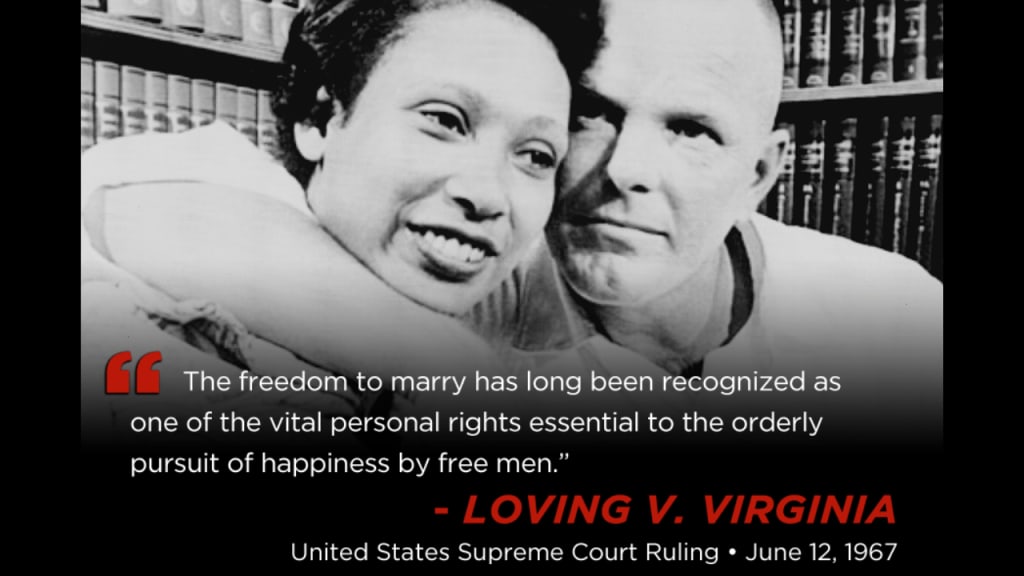
In a small, unassuming courtroom in 1967, two people sat shoulder to shoulder. No fiery speeches. No banners waving. Just quiet defiance in the eyes of a husband and wife—Richard and Mildred Loving. They weren’t trying to change the world; they just wanted to love each other. But their forbidden romance, born in rural Virginia, sparked a revolution, tearing down unjust laws and proving that love has no boundaries. Their courage didn’t just echo—it roared, forever changing the course of history.
The Loving v. Virginia case was more than a legal battle; it was a love story with enough courage and quiet determination to move mountains. This couple took on one of the most archaic and absurd laws in American history and won. And in doing so, they reminded the world that love isn’t defined by color, but by two people who choose each other against all odds.
Richard and Mildred Loving: An Ordinary Couple with an Extraordinary Bond
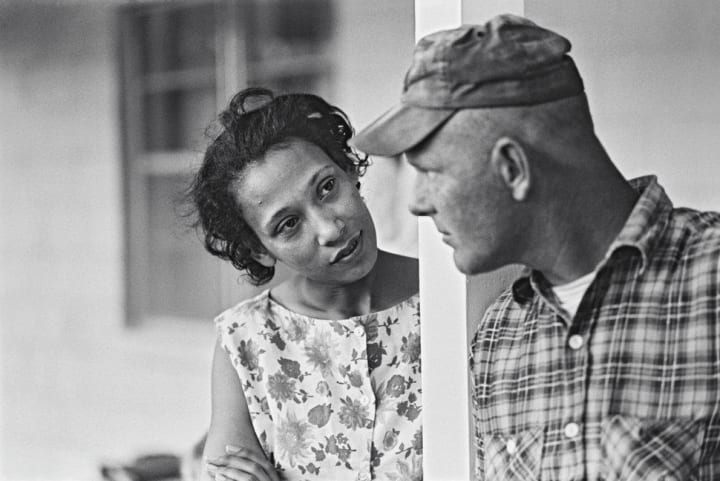
Let’s start with Richard Loving. He was a quiet, hardworking man—a bricklayer, born and raised in Central Point, Virginia. Mildred Jeter, on the other hand, was kind, soft-spoken, and just as rooted in this small rural community. Richard was white; Mildred was Black and Native American. In a town like Central Point—where communities were unusually close-knit and integrated—no one batted an eye at their relationship.
The two fell in love, and in 1958, when Mildred became pregnant, they decided to make it official. They traveled to Washington, D.C., where interracial marriage was legal, and tied the knot. To them, it was just love. To the state of Virginia, it was illegal.
When they returned home as a married couple, they thought life would carry on as normal. But Virginia’s infamous Racial Integrity Act of 1924, a relic of Jim Crow laws, prohibited marriage between people of different races. The Lovings had unknowingly broken one of the most regressive laws on the books.
The Arrest: Love Declared a Crime
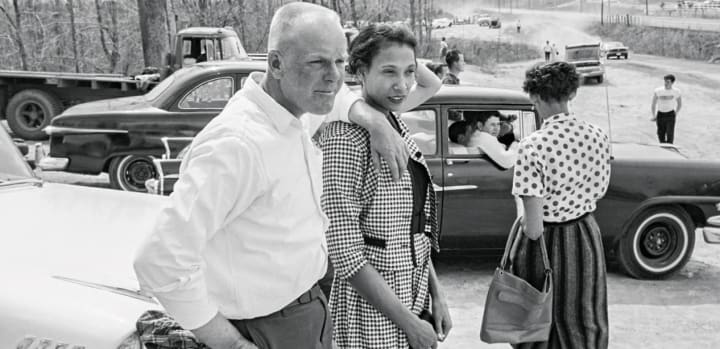
One quiet night in July 1958, the Lovings were woken up by the sound of police officers bursting into their home. Imagine being arrested not for a crime, but for loving your spouse. Richard and Mildred were taken to jail, and their marriage license—displayed on the wall—was used as evidence against them.
Their “crime” was so bizarre it’s almost comical, except there was nothing funny about it. They were charged with “cohabiting as man and wife, against the peace and dignity of the Commonwealth.” Facing prison time, they were given an ultimatum: leave Virginia for 25 years or go to jail.
The Lovings chose exile. They packed up their lives and moved to Washington, D.C., but Mildred, especially, was heartbroken. She missed her family. She missed home. And as years went by, their quiet acceptance of injustice started to wear thin.
The Turning Point: Mildred Takes a Stand
Mildred Loving was no activist—at least not in the beginning. But as life in exile dragged on, she decided enough was enough. In 1963, Mildred wrote a letter to then-Attorney General Robert F. Kennedy asking for help. Kennedy directed her to the American Civil Liberties Union (ACLU), who jumped at the chance to challenge Virginia’s racist laws.
The case began in earnest. Lawyers Bernard Cohen and Philip Hirschkop took up the Lovings’ fight, determined to bring this outdated law to its knees. But here’s the kicker: the Lovings didn’t want fame or attention. They didn’t want to become symbols of a movement. Richard famously told their lawyers,
“Tell the court I love my wife, and it is just unfair that I can’t live with her in Virginia.”
It was that simple. For them, it was never about politics. It was about being together, in their home, in peace.
How Loving v. Virginia Led to Legalized Interracial Marriage | History
Loving v. Virginia: The Case Heard Around the Nation
By 1967, the case had made its way to the United States Supreme Court. At its core, the question was this: Did Virginia’s anti-miscegenation law violate the 14th Amendment of the Constitution, which guarantees equal protection under the law?
Virginia argued that marriage laws had always been left to the states. But the Supreme Court saw through the nonsense. In a unanimous decision on June 12, 1967, the Court ruled in favor of the Lovings. Chief Justice Earl Warren’s words were as powerful as they were clear:
“Under our Constitution, the freedom to marry, or not marry, a person of another race resides with the individual and cannot be infringed by the State.”
With those words, Virginia’s law—and similar laws in 15 other states—were struck down. The Court declared that love couldn’t be legislated, and the country took a monumental step forward.
The Legacy of Loving v. Virginia
The Loving decision didn’t just help Richard and Mildred. It freed countless couples across the nation to love and marry without fear of persecution. The case became a landmark victory for civil rights and remains a cornerstone of discussions about equality, love, and personal freedom.
Decades later, the Loving case would even be referenced during debates on same-sex marriage. In 2015, when the Supreme Court ruled in favor of marriage equality in Obergefell v. Hodges, many drew parallels to Loving v. Virginia.
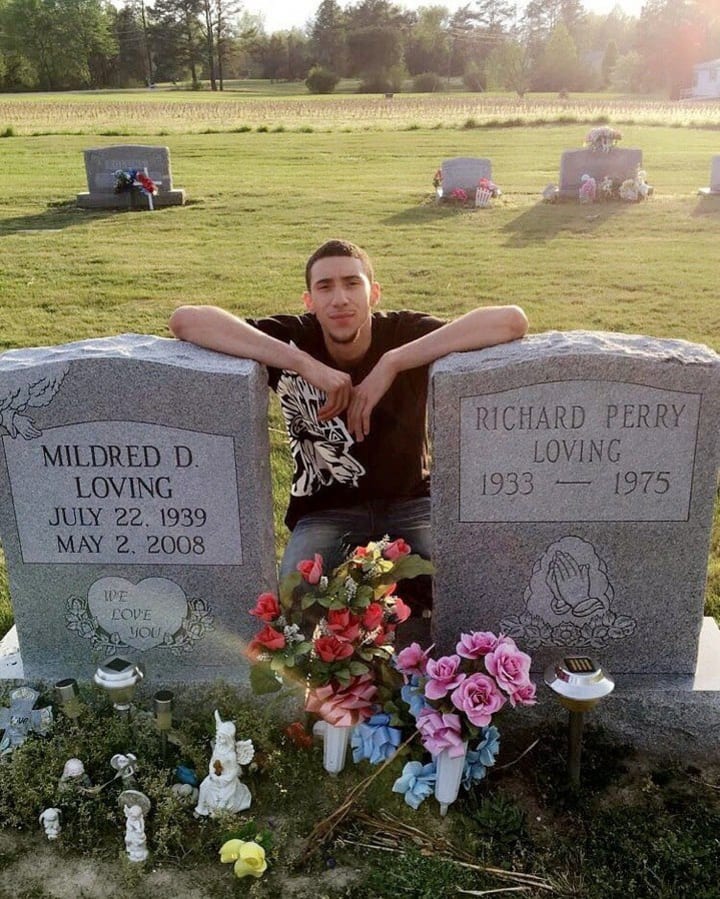
But perhaps the most touching part of this story is the Lovings themselves. Richard and Mildred didn’t seek the spotlight. After the ruling, they returned to their lives, quietly raising their children in Virginia—just as they had always wanted. Tragically, Richard died in a car accident in 1975, but Mildred continued to live in the home they built together, steadfast in her love for the man who fought beside her.
Love Wins: A Timeless Reminder
The story of Loving v. Virginia is, at its heart, a love story. Two ordinary people, armed with nothing but their love and a quiet sense of justice, took on a broken system and won. Mildred once said,
“We are not doing it just because somebody had to do it and we wanted to be the ones. We are doing it for us—because we want to live here.”
And live they did, leaving behind a legacy that continues to inspire. Their case serves as a reminder that love has the power to topple walls, rewrite laws, and overcome even the most stubborn barriers.
About the Creator
Keep reading
More stories from Marveline Merab and writers in Humans and other communities.
A Romance Written in Verse: The Timeless Love Story of Robert and Elizabeth Barrett Browning
Some love stories are fleeting, fizzling out like a candle in the wind. Others, like the tale of Robert and Elizabeth Barrett Browning, shine with an eternal brilliance, immortalized not only in history but in poetry that still tugs at the heartstrings of romantics worldwide. If Hollywood were tasked with scripting the quintessential Victorian romance, this would be it—complete with secret courtship, dramatic family feuds, and a love so transformative it inspired some of the greatest poetry ever written.
By Marveline Merababout a year ago in Humans
How to Check Loyalty in Relationship Before You Get Hurt
Loyalty does not imply perfection. It is all about consistency, honesty, and emotional safety. When loyalty is there, trust increases. When it is missing, uncertainty gradually erodes the partnership. Many people disregard early warning signs, believing that things will improve. We feel it is better to observe, ponder, and comprehend loyalty before emotional damage occurs.
By Bloom Boldly6 days ago in Humans



Comments
There are no comments for this story
Be the first to respond and start the conversation.