
Food and Health Trends
Essential Information for 2025

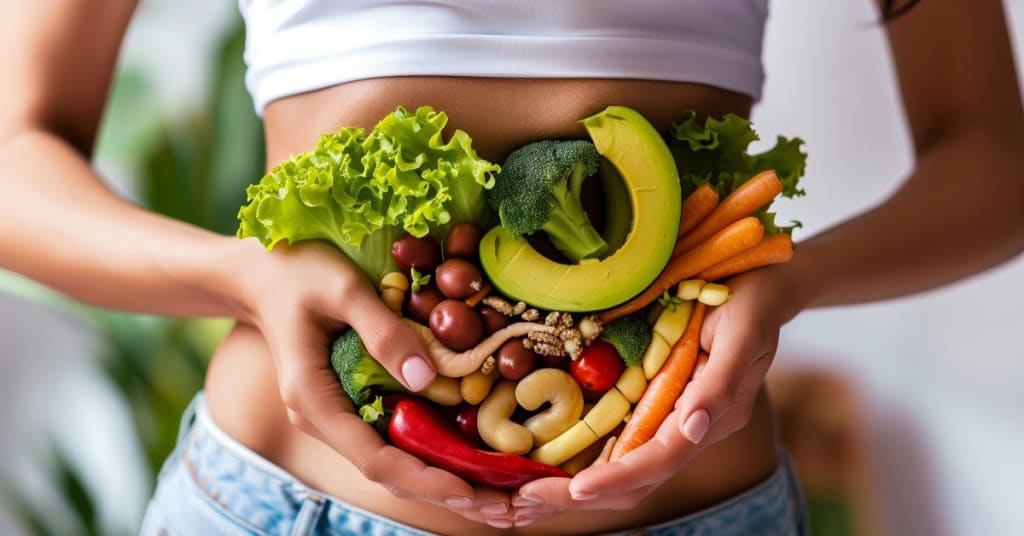
Our relationship with food and health is always changing in the fast-paced world of today. Every year, new trends that change the way we eat, think, and live are brought about by social media influence, continuing scientific research, and an increasing interest in personal well-being. By 2025, a number of fascinating—and occasionally unexpected—trends are dominating the food and health industry. Here's a closer look at the most important trending facts.
1. Gut Health? Still the MVP
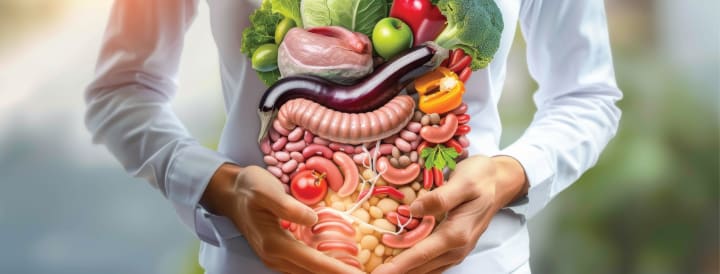
Look, gut health isn’t some shiny new thing—we’ve been hearing about it for ages. But man, in 2025, everyone's acting like your belly bugs are low-key running the show. Turns out, those trillions of little critters in your gut? They’re not just renting space. We’re talking links to digestion, immunity, mood, even if you feel like remembering your cousin’s birthday. Wild.
Fermented stuff like kimchi, sauerkraut, kombucha? Basically standard in any fridge now. Kefir too—I mean, who would've thought fermented milk would get so much love? And supplements are going next-level: brands are dropping super-specific probiotic strains for stuff like “stressed-out insomniac” or “skin-obsessed selfie lover.” Gotta respect the hustle.
But here’s the curveball for 2025: postbiotics. Fancy science word, but basically, it’s what probiotics leave behind after they do their thing. Supposedly, they’ve got perks without having to babysit live bacteria. Figure we might as well let our gut try the new thing—at this point, what *aren’t* those critters responsible for?
2. The Current Evolution of Plant-Based Diets
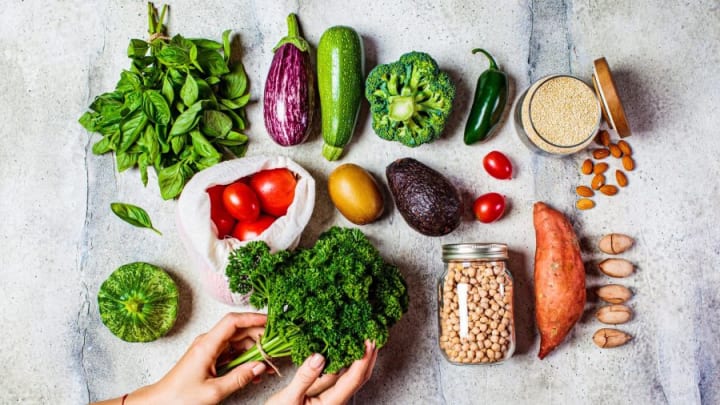
Plant-based nutrition is still considered a dominant trend, but it is much more than mere veganism now. Flexitarianism, therefore, represents a largely plant-based diet occasionally supplemented with meat and animal products.
Quality is becoming a major consideration among folks. Instead of more processed lineups of vegan meats, the trend at the moment has shifted to food preparation with more whole food ingredients-from dry legumes to grains to plenty of fresh vegetables. Now jackfruit, tempeh, and mushroom cases of "meats" are leading the charge.
Another emerging concern is regenerative agriculture, food production that works to restore soil health while minimizing carbon footprint. Consumers are becoming aware of the fact that how their food is grown is just as important as what they eat.
3. Mindful Eating in Opposition to Diet Culture
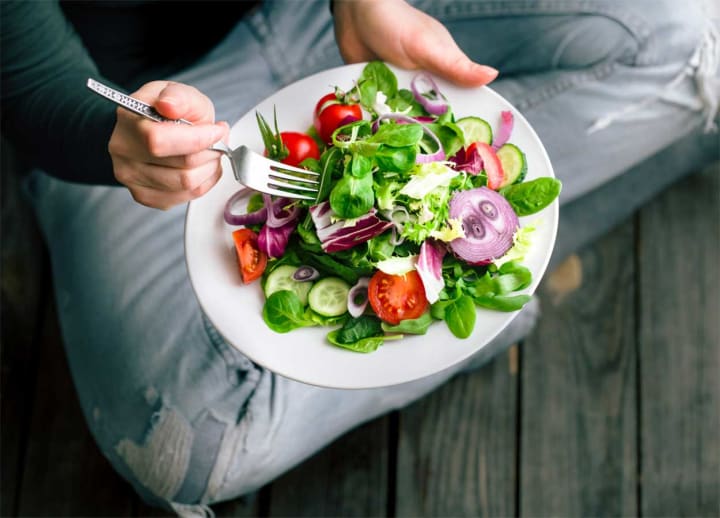
It is probably one of the big shifts of recent years, drifting away from restrictive diets. The Great Depression of calories and crash diet programs will slowly start to fade away. People are starting to embrace an intelligent way of eating: paying attention to hunger cues, eating slowly, and mindfully enjoying the act of eating without guilty feelings.
All science-laden arguments could be presented to support this popular culture shift. Research points toward the fact that mindful eating can help establish a healthy association with food, decrease binge-eating, and promote long-term well-being.
The current generation of applications and trackers focus less on calories, though. Their tracks target mood, habits, or emotional triggers that affect eating: this is the bigger picture-that of mental health alongside physical health.
4. Functional Foods Are Exploding—And Honestly, It’s Wild
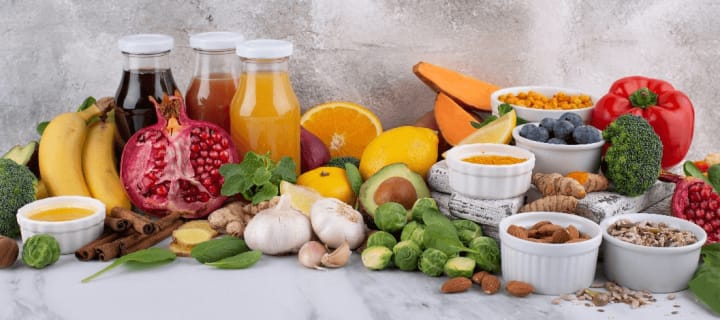
Picture this: you grab a snack, and suddenly, you’re sharper, calmer, or catching Z’s like a baby. Sounds fake, right? Nope, that’s the functional food scene in 2025, and honestly, it’s everywhere.
People are downing bottles of mushroom-laced tea (yep, those weird names like ashwagandha and reishi), and chewing protein bars loaded with L-theanine hoping for laser focus or anxiety relief. Forget just counting calories—everyone’s obsessed with whether their lunch can boost their immune system or fix their gut.
Oh, and mushrooms? Massive right now. Lion’s mane, cordyceps—these funky fungi are low-key getting treated like magic brain fuel. CBD’s still hanging around too, but it’s less of a Wild West situation and more, you know, “CBD in my sparkling water, please.” Chocolate, tea, protein bars—honestly, where isn’t it popping up?
5. Personalized Nutrition Goes From Sci-fi to Tuesday Afternoon
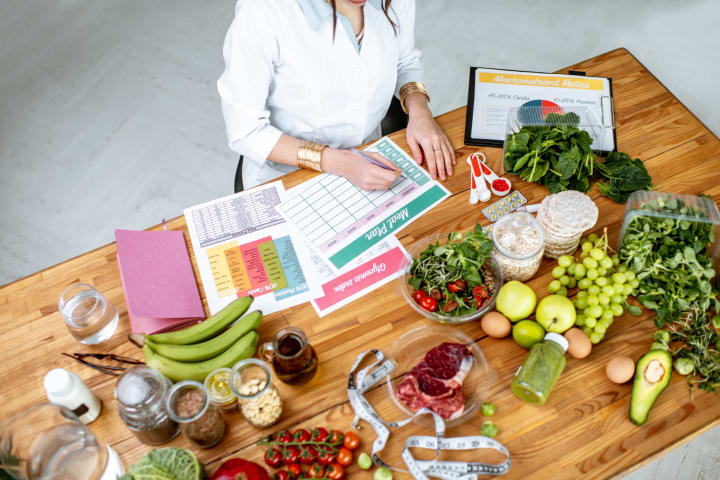
Honestly, it’s wild—once upon a time, getting a nutrition plan tailored to your DNA felt like something from a Star Trek episode. Now? It’s maybe as basic as scrolling Instagram. DNA kits, gut tests, those little gadgets you wear on your wrist—they’re all handing out advice on what you should eat like it’s candy on Halloween.
Apps are basically armchair nutritionists now, spitting out grocery lists, supplement pairings, even TikTok-worthy recipes that supposedly match your genes or your “microbiome vibe” (yeah, that’s a thing). So the old-school one-size-fits-all food pyramid? Kinda fading out. There’s a meal plan for everyone, whether you want to optimize your hormones or just survive another keto phase.
And it’s not limited to lab geeks or tech bros either. Grocery stores are getting in on the action. Wanna make everything gluten-free, or only eat stuff your ancestor’s ghosts might recognize? There’s a shelf for that. Or a meal kit. Or twelve.
6. Ultra-Processed Foods Get Put on Blast
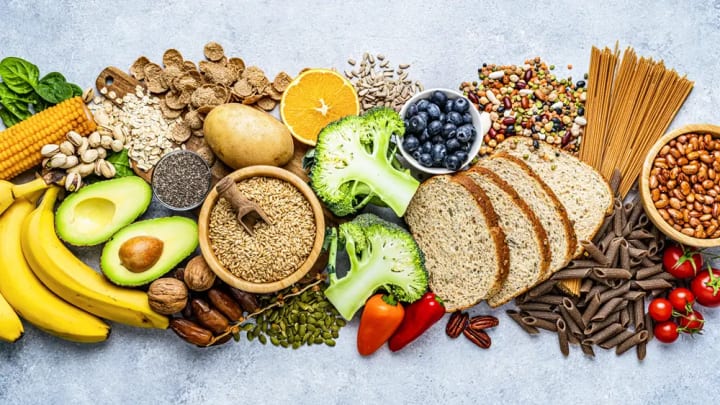
Let’s be real: people are finally giving ultra-processed foods some serious side-eye. Sure, it’s easy to rip open a bag of chips or nuke a frozen dinner, but more folks are clocking that eating this stuff all the time is like sabotaging yourself—hello, obesity, diabetes, even mood swings you can’t blame on Mercury retrograde.
So what’s everyone doing? Basically raiding their grandma’s pantry. People are getting jazzed about cooking at home, embracing foods that actually resemble plants or animals, and dusting off recipes nobody’s bothered with since the ‘80s. Whole grains, ugly veggies, stuff that still has dirt on it—those are hot now.
And the whole “organic” or “non-GMO” sticker obsession? Slowly getting replaced by the obvious question: Wait, is this food actually food? Or is it some Franken-snack from a lab? If you can pronounce every ingredient and actually know what it is, congrats—you’re eating the new gold standard.
Alright, here’s the deal: food trends come and go faster than my motivation on a Monday morning, but one thing sticks—everyone’s still chasing that sweet, sweet balance. People want stuff that makes ‘em feel good. Sometimes that’s kombucha and tofu, other times it’s just a bowl of mac and cheese you scarf down after a long day, you know?
Looking at 2025, it’s not all about the next miracle berry or swearing off carbs or some wild lemonade cleanse (thank god). Now it’s about stuff that actually makes sense, like sustainability, eating what works for your own weird stomach, and not making yourself miserable in the process. Less “eat this, not that” guilt-trip garbage, more “what does my brain and body actually need today?”
So, yeah, next time you’re figuring out dinner, maybe give calories a break. Ask yourself: how’s this food actually gonna make me feel? Did it come from someplace I vibe with? Will I regret this later? Or maybe, will it save my sanity? At the end of the day, food isn’t just fuel for your body—it’s basically edible therapy. Treat yo'self accordingly.
About the Creator
Keep reading
More stories from Sohanur Rahman and writers in Humans and other communities.
Cartoons Are Real? The Shocking Truth I Found Hidden in My Childhood Shows
I always believed cartoons were just fantasy — exaggerated stories to keep kids laughing before bedtime. That changed the day I found a VHS tape in my grandfather's attic. It was unlabelled, dusty, and hidden behind boxes marked "Do Not Touch." Naturally, I touched.
By Sohanur Rahman8 months ago in Horror
Cabin Fever Because of Snow, Sleet, and Freezing Rain That Turned to Icy Roads
What Is Cabin Fever? The short answer is that cabin fever is restlessness from being in a confined area. Cabin fever is the distressing irritability or restlessness experienced when a person or group is stuck at an isolated location or in confined quarters for an extended time. Research shows that prolonged cold, gray skies, and being stuck indoors can trigger mood shifts similar to “winter blues.”
By Margaret Minnicks6 days ago in Humans
The 'Soft Life' is a Lie for Most of Us. Let's Talk About the 'Sturdy Life' Instead.
The internet is awash with aspirational lifestyles. Among them, the "soft life" has emerged as a dominant force, promising a world of ease, luxury, and minimal effort. Influencers showcase meticulously curated moments of relaxation, highlighting spa days, exotic vacations, and gourmet meals, all seemingly effortlessly achieved. While the appeal is undeniable, the reality is that the "soft life" is a fantasy for the vast majority of us. Chasing this elusive ideal can lead to feelings of inadequacy, pressure, and a profound disconnect from the realities of everyday life. Instead of striving for the unattainable, perhaps it’s time to embrace a more relatable and sustainable concept: the "sturdy life."
By Wilson Igbasi3 days ago in Humans



Comments
There are no comments for this story
Be the first to respond and start the conversation.