
Finding Myself in "The Half of It": How Representation in Media Shaped My Identity
Alice Wu’s film mirrored my own journey of balancing my Bangladeshi heritage and American upbringing, transforming feelings of isolation into a sense of belonging.

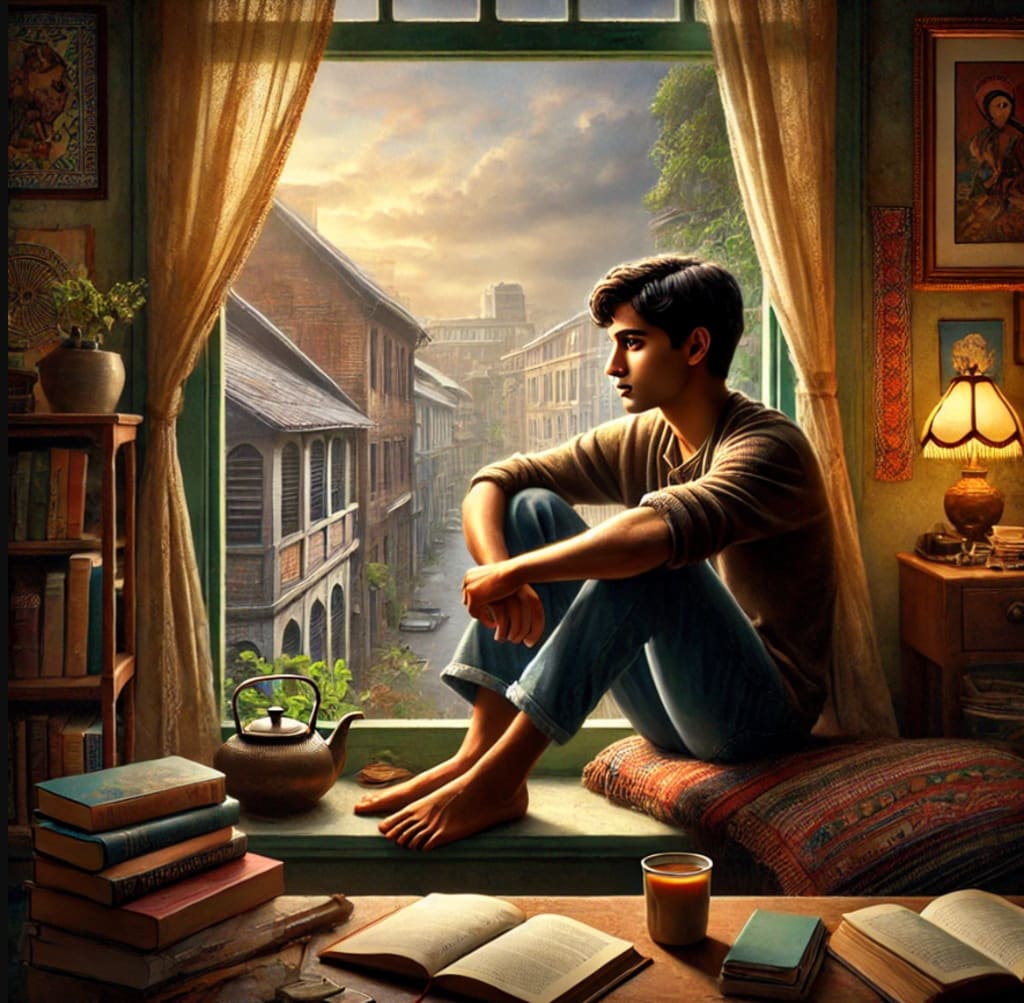
The Half of It, directed by Alice Wu, provided me with one of the most profound moments of personal reflection. The film tells the story of Ellie Chu, an introverted Asian-American teenager navigating love, friendship, and the delicate balance between her cultural identity and her desire for belonging. Watching Ellie’s story unfold felt like looking into a mirror—one that didn’t just reflect her face but mine as well.
Ellie’s quiet strength, her yearning to fit in, and the subtle tug-of-war between her cultural roots and the environment she grew up in felt deeply familiar. Growing up as a Bangladeshi-American, I, too, often felt like I was straddling two worlds. At home, my identity was intricately tied to the colors, traditions, and values of my Bangladeshi heritage. Outside, however, I found myself navigating predominantly white spaces, where I felt out of place. Ellie’s journey mirrored my own, and watching her struggle with the complexities of identity was like seeing my experiences validated.
One scene in particular that resonated deeply with me was when Ellie grappled with expressing her true feelings—about love, her future, and her place in the world. That struggle, the ongoing translation between who she truly is and who she is expected to be, was a direct reflection of my own experiences. As a child of immigrants, I’ve often felt the weight of expectations—academic pressures, the need to succeed, and the silent duty of fulfilling my family’s dreams. Like Ellie, I found myself torn between honoring the sacrifices my family made and carving out a path that truly felt like my own.
What made Ellie stand out to me even more was the complexity of her character. She wasn’t just another stereotypical representation of an Asian-American teenager. Ellie was intelligent, passionate about writing, and deeply vulnerable—a multidimensional character who created space for her insecurities while also embracing her strengths. I saw in her the same balancing act I’d been performing in my own life—trying to be the "perfect" student while struggling with the feeling of being misunderstood in my own personal ambitions and emotions.
Watching *The Half of It* wasn’t just a validation of my feelings; it sparked important conversations in my life. After watching the film, I found myself talking to my friends and family about it, discussing our shared experiences of growing up as Asian-Americans in a predominantly Western society. For the first time, we delved into our feelings of living in between two worlds—the constant dance between our cultural heritage and the modern Western world. These conversations deepened my connection to my community, and I began to feel more at home in both parts of my identity.
Perhaps the most important part of Ellie’s story for me was that it didn’t provide neat answers. Her journey wasn’t packaged in a convenient resolution. Instead, it embraced the complexities and messiness of identity, showing that it’s okay to be a work in progress. Watching Ellie come to terms with her identity and find her own voice inspired me to embrace my own complexities—to take pride in both my Bangladeshi heritage and my American upbringing. The film reminded me that blending two worlds isn’t a source of weakness; it’s a source of strength.
This experience was more than just a moment of representation—it marked a turning point in my self-understanding. It made me realize that our stories, as layered and multifaceted as they are, deserve to be told. When we see ourselves reflected in media, we can transform feelings of isolation into a sense of belonging. Seeing Ellie on screen not only made me feel seen but also reminded me that my identity is something to be celebrated, not hidden.
In the larger context of media and representation, *The Half of It* showed me the power of visibility. When diverse narratives are included in media, they create a ripple effect, allowing people to see themselves reflected in characters and stories in ways they may not have before. This type of visibility is empowering—it gives people like me the courage to engage more deeply with narratives that celebrate diversity and to claim our rightful space in the larger tapestry of human experience.
At its heart, *The Half of It* is a film about love, identity, and belonging. But for me, it became so much more. It became a lens through which I could better understand my own cultural identity and the journey I’ve been on to reconcile two seemingly opposite parts of myself. Watching Ellie’s story was a reminder that being in-between, balancing two identities, is not a state of confusion but rather a state of possibility. We all have stories that deserve to be told, and when we see ourselves represented in media, it gives us the strength to embrace the richness and depth of our own identities.
About the Creator
THiNK
Think - Your go-to destination for exploring captivating mysteries, insightful psychology, intriguing facts, and the latest news. Our mission is to spark curiosity and inspire learning. Join us as we uncover the unknown!
Technology Effects on Humans
Introduction Technology has become a very important part of human life. From the moment we wake up until we go to sleep, we use technology in many ways. Mobile phones, computers, the internet, and machines have made life easier and faster. Technology helps humans to learn, work, travel, and communicate. However, along with its benefits, technology also has some negative effects on human health, behavior, and relationships. In this essay, we will discuss how technology affects humans in both positive and negative ways.
By LegacyWordsabout 21 hours ago in Humans
Wild Card Weekend Recap: What Happens Now?
I think I figured out why I love Wild Card Weekend so much. It's because it's the first playoff anything of the calendar year. The NFL season starts in the fall, and once upon a time, the champion was crowned either on or slightly before New Year's. The evolution of the NFL schedule has resulted in the playoffs starting just into the New Year, and currently, the final week of the season falls on the first weekend of the New Year, with Wild Card Weekend coming a week after that. So yes, chronologically, the NFL's Wild Card Weekend serves as the first playoff anything of the calendar year.
By Clyde E. Dawkins5 days ago in Unbalanced


Comments
There are no comments for this story
Be the first to respond and start the conversation.