
The Complexity of Sex, Gender, and Sexuality: An Exploration
Many societies view sex as a binary concept, but nature demonstrates a complex and diverse spectrum of sexual and gender expressions.

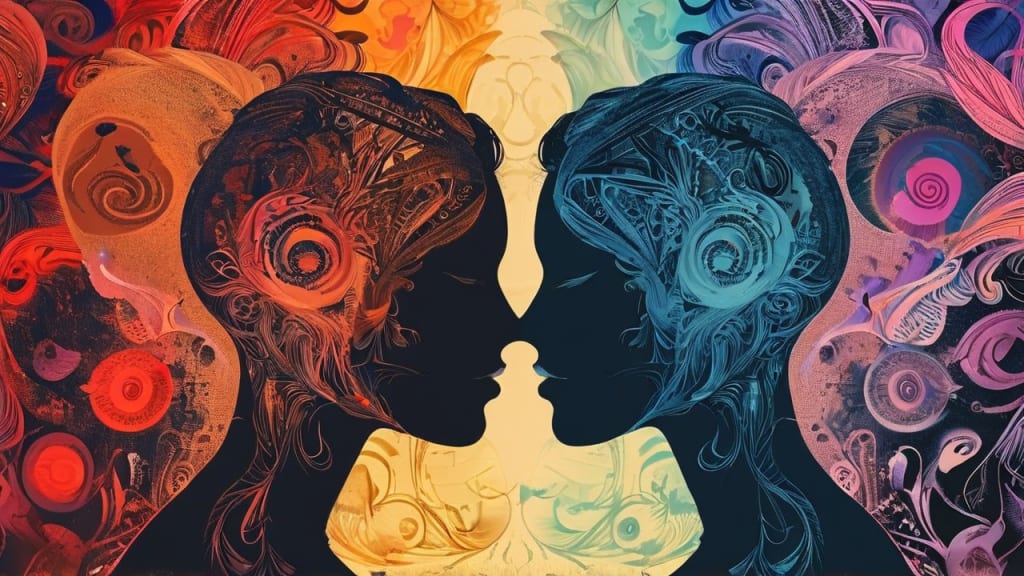
In many societies, sex is often viewed in a binary framework—male or female. However, nature reveals a more intricate tapestry that defies these simplistic categories. From the fascinating life cycles of certain fish to the rich diversity of sexual and gender expressions in various species, the reality is that life is complex and multi-faceted.
### Biological Sex: Beyond Male and Female
Biological sex is frequently categorized based on the type of gametes—reproductive cells—produced by an individual. Traditionally, males produce small, mobile sperm, while females produce larger, nutrient-rich eggs. This classification works for many species but breaks down upon closer examination. For instance, the Australian *clownfish* begins life as female, but some individuals can switch to male later on, demonstrating that sex is not a fixed category.
Other examples abound. The tropical ginger plant alternates its sexual expression daily, while certain species of kangaroo rats possess both male and female reproductive organs. The split-gill fungus showcases an even more radical departure from binary thinking, as it possesses over 20,000 distinct sexes. These examples illustrate that sex exists on a continuum rather than as a strict binary.
In humans, biological sex is generally assigned at birth based on visible anatomical features, often resulting in a classification of male or female. However, biological sex involves a complex interplay of chromosomes, hormones, and physical traits. In humans, the 23rd pair of chromosomes, known as sex chromosomes, typically consists of two X chromosomes (XX) for females and one X and one Y chromosome (XY) for males. Yet, variations exist—some individuals may have atypical chromosomal patterns such as XXY or X0, leading to diverse expressions of sex.
### Gender: A Social Construct
While biological sex refers to physical and genetic characteristics, gender is a sociocultural construct related to identity and expression. Gender encompasses a person’s internal sense of being male, female, both, neither, or anywhere along the gender spectrum. Different cultures possess varied interpretations of gender roles; for instance, many Indigenous cultures in North America recognize the existence of Two-Spirit individuals, who embody both masculine and feminine qualities.
In contemporary society, the understanding of gender is evolving. Terms like non-binary and transgender reflect an increasing recognition that gender does not necessarily align with the sex assigned at birth. As such, it is crucial to separate the concepts of sex and gender—one biological and the other social.
### Sexuality: A Spectrum of Attraction
Sexuality pertains to who an individual is attracted to and is equally nuanced. Just as sex and gender exist on a continuum, so does sexuality. People may identify as heterosexual, homosexual, bisexual, pansexual, or asexual, among other identities. The fluidity of sexual attraction is recognized across cultures and historical periods, indicating that diverse expressions of sexuality are not new phenomena.
Research suggests that about 5% of the population experiences same-gender attraction, a figure that may vary based on cultural context and the phrasing of survey questions. Furthermore, instances of same-sex behavior are documented across many animal species, including dolphins, bonobos, and even insects like the doodlebug. These observations raise questions about the evolutionary significance of same-sex attraction, challenging the notion that reproductive success is the sole purpose of sexual behavior.
### Evolutionary Perspectives
The presence of same-sex mating behavior in various species has prompted scientists to propose several theories regarding its evolutionary advantages. One hypothesis suggests that organisms willing to mate with any partner increase their reproductive success overall. Another posits that same-sex interactions can reduce competition and foster social bonds, enhancing group cohesion. For instance, male dolphins are known to engage in same-sex behaviors, strengthening their social networks.
Additionally, in species like bonobos, frequent same-sex interactions contribute to group harmony, with females often preferring to engage with other females more than with males. Such behaviors illustrate that sexual diversity may play a crucial role in the survival and social structure of certain species.
The exploration of sex, gender, and sexuality reveals a rich complexity that transcends binary classifications. Nature exhibits a remarkable variety of biological and behavioral expressions, challenging us to rethink our assumptions. As we continue to study and understand these concepts, it is vital to approach them with an open mind and a willingness to embrace diversity. By imagining others complexly, we foster a more inclusive understanding of the human experience, recognizing the intricate and beautiful spectrum of life.
About the Creator
THiNK
Think - Your go-to destination for exploring captivating mysteries, insightful psychology, intriguing facts, and the latest news. Our mission is to spark curiosity and inspire learning. Join us as we uncover the unknown!
Mothering Sunday
Mother’s Day in the United Kingdom has a long and winding history, one that reaches back centuries before cards, flowers, and Sunday lunches became part of the day. It began as Mothering Sunday, a quiet moment in the church calendar when people returned to the place that shaped them. Over time, that return shifted from the church itself to the women who held families together. Today, the day carries pieces of all those layers, and the daffodil has become its most familiar symbol.
By Julie O'Hara - Author, Poet and Spiritual Warriora day ago in Humans




Comments (5)
This post is very meaningful.
Very useful and informative. Your writing style is amazing.
Well presented.
Explained the topic excellently.
Wonderful analysis!