
Finding Balance When Naltrexone Becomes Part of Your Daily Life
Naltrexone Becomes Part of Your Daily Life
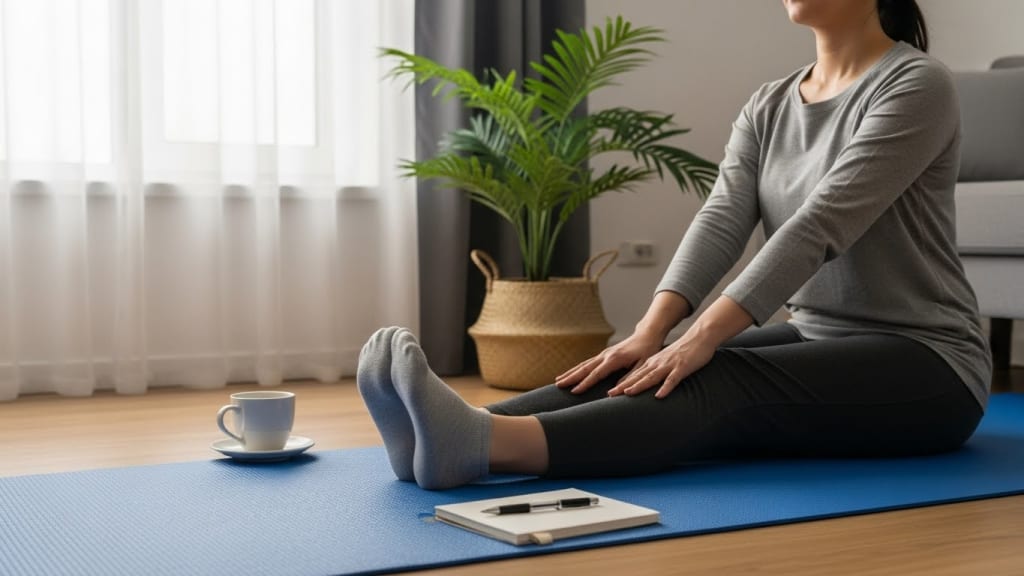
There is a moment when you realize that healing is not just about the medication you take, but also about how you build your life around it. If you are starting Naltrexone or thinking about it, I know how overwhelming it can feel trying to keep your routine steady while your body adjusts.
The truth is that you can still live normally. You can work, exercise, take care of your family, and enjoy your days. You just need a bit more awareness and a rhythm that supports both your mind and your recovery.
As one therapist once told me, "Recovery is not about perfection. It is about meeting yourself where you are each day."
Let’s walk through how you can manage your routine while Naltrexone is active and still feel in control of your life.
Understanding How Naltrexone Affects Your Day
Naltrexone works quietly in the background, but it still influences how you feel. It blocks opioid receptors, which helps reduce cravings and supports long term recovery.
The effects can last for hours or even longer depending on your dose. Some people feel energized, while others experience fatigue or mild discomfort. This is why understanding how your body reacts is the first step to building a stable routine.
Track Your First Week
During the first few days, pay attention to things like:
- your sleep pattern
- your energy level
- your mood and mental clarity
- any physical changes
This helps you adjust your routine without guessing.
Creating a Morning Routine That Supports You
The morning sets the tone for everything that follows. When Naltrexone is active, consistency becomes even more important.
Try waking up at the same time each day, not to control your life too much, but to give your mind a sense of predictability. A stable routine helps with side effects and keeps you grounded.
Keep It Simple
- Drink water first thing
- Eat something light if the medication affects your stomach
- Move your body even if it is just stretching for two minutes
You do not need to build a “perfect morning.” You just need one that feels supportive and doable.
Managing Work and Daily Tasks with Awareness
People often ask whether they can keep up with work, studies, or home responsibilities while on Naltrexone. The answer is yes, but awareness is key.
Mild headaches or fatigue can show up occasionally. This is normal, especially during the adjustment period. When you know this, it becomes easier to slow down where needed instead of pushing yourself too hard.
Use the Power of Micro Breaks
Short breaks every hour can help you reset your mind. Look away from your screen. Take a deep breath. Step outside for one minute. These tiny pauses can help you stay productive without overwhelming yourself.
Adjusting Your Lifestyle When Naltrexone Is Active
You might notice subtle changes in mood or appetite. You might sleep a little differently. This is why maintaining a gentle and flexible lifestyle really matters.
Avoid drastic dietary changes. Avoid extreme workout programs. When your body is adjusting, you want stability, not pressure.
Bring in Healthy Anchors
- Light exercise
- Eating consistent meals
- Stable sleep schedule
- Mindful self check in
These small habits give your daily life structure even when medication effects fluctuate.
Learning How Long It Stays in Your System Helps You Plan Better
At this point in your routine, you may want to understand how long Naltrexone usually stays active in your system. Knowing this gives you clarity and helps you plan your days more confidently.
This is a good moment to pause and take one helpful step in your recovery planning. You can read more about this using the duration of Naltrexone in your system through your resource at ChoicePoint Health. It gives you clear information and helps you adjust your schedule with confidence.
Supporting Yourself Emotionally During the Process
Being on medication can stir up emotions that you did not expect. Some people feel relieved and hopeful. Others feel anxious about the changes. All of these feelings are valid.
That is why emotional self care becomes part of managing your routine. Talking openly with people you trust, practicing grounding activities, and reminding yourself you are allowed to take it one day at a time can make a huge difference.
A Helpful Evidence Based Resource
If you want information related to safe medication use or mental health, trusted educational sources like nih.gov offer helpful general guidance backed by research. It is always reassuring to know you can rely on verified facts.
Building a Routine That Works for You Long Term
At the end of the day, Naltrexone is just one piece of your recovery. Your routine is what brings real stability. You do not need to force a perfect schedule. You simply need one that supports your energy, your comfort, and your healing.
Small steps matter. Consistency matters. Being honest with yourself matters even more.
If you stay patient with your body and give yourself the time to adjust, you will find a rhythm that feels natural and manageable every single day.
You deserve that kind of stability, and it is absolutely possible.
About the Creator
Keep reading
More stories from Jordyn Mastrodomenico and writers in Humans and other communities.
How to Bring Your Alcohol Levels Down Without Risking Your Health
We’ve all had moments where we drank more than we intended, and the next thing you know, you’re wondering how to safely reduce your alcohol levels. It’s not just about feeling better the next morning, it's about protecting your body and giving it time to recover. Understanding safe ways to bring your alcohol levels down is crucial for your overall health and well-being.
By Jordyn Mastrodomenico2 months ago in Humans


Comments
There are no comments for this story
Be the first to respond and start the conversation.