
Expressing Your Feelings Clearly: Tips for Better Communication
Discover Effective Strategies to Articulate Your Emotions and Enhance Your Relationships Through Clear Communication.


Effective communication is essential for healthy relationships, whether they are romantic, familial, or platonic. One of the key components of successful communication is the ability to express your feelings clearly. When you can articulate your emotions, you foster understanding, reduce misunderstandings, and strengthen connections. In this article, we will explore the importance of expressing feelings and provide practical tips to help you communicate more effectively.
Why Expressing Feelings is Important
1. Enhances Understanding
When you express your feelings clearly, you provide others with insight into your thoughts and emotions. This transparency encourages empathy and understanding, which are crucial for meaningful relationships.
2. Reduces Misunderstandings
Unclear or suppressed feelings can lead to confusion and conflict. By articulating your emotions, you minimize the risk of misinterpretation, paving the way for clearer interactions.
3. Promotes Emotional Health
Expressing feelings is vital for emotional well-being. Suppressing emotions can lead to stress, anxiety, and even physical health issues. Sharing your feelings promotes mental clarity and reduces emotional burdens.
4. Strengthens Relationships
Clear communication fosters trust and intimacy. When others understand your feelings, they are more likely to respond with compassion and support, strengthening your bond.

Tips for Expressing Your Feelings Clearly
1. Know Your Feelings
Self-Reflection
Before you can express your feelings, it’s essential to understand them. Take time for self-reflection to identify what you’re feeling and why.
👉 Journaling: Write down your thoughts and emotions to clarify what you’re experiencing.
👉 Identify Triggers: Recognize situations that elicit strong emotions, helping you understand your feelings better.
2. Use “I” Statements
Taking Ownership
Using “I” statements helps you take ownership of your feelings and reduces the likelihood of the other person feeling attacked.
Examples:
Instead of saying, “You never listen to me,” try, “I feel unheard when I’m speaking.”
Replace, “You make me angry” with, “I feel angry when my opinions are dismissed.”

3. Be Specific
Avoid Vagueness
Being specific about your feelings provides clarity and context. General statements can lead to confusion and misinterpretation.
Example: Instead of saying, “I’m upset,” you can say, “I felt upset when I learned that you didn’t include me in the plans.”
4. Choose the Right Time and Place
Setting Matters
The environment in which you communicate can significantly impact the effectiveness of your message. Choose a time and place that is conducive to open dialogue.
Quiet Setting: Find a private, quiet space free from distractions.
Timing: Avoid discussing sensitive feelings when either party is stressed, busy, or preoccupied.
5. Practice Active Listening
Two-Way Communication
Effective communication involves both expressing your feelings and listening to others. Practice active listening to create a safe space for dialogue.
👉 Focus Fully: Give the speaker your full attention, avoiding distractions.
👉 Reflect: Paraphrase what the other person says to ensure you understand their perspective.

6. Be Honest and Authentic
Genuine Expression
Authenticity is key to effective communication. Being honest about your feelings fosters trust and encourages others to be open as well.
👉 Avoid Sugarcoating: While it’s important to be kind, don’t hide your true feelings to spare someone’s feelings.
👉 Be Vulnerable: Sharing vulnerabilities can strengthen connections and deepen relationships.
7. Stay Calm and Composed
Managing Emotions
When expressing strong emotions, it’s crucial to remain calm. High emotions can lead to misunderstandings and escalate conflicts.
👉 Take Deep Breaths: If you feel overwhelmed, take a moment to breathe deeply before continuing.
👉 Pause if Needed: If emotions run high, it’s okay to pause the conversation and revisit it later.

8. Use Non-Verbal Communication
Body Language Matters
Non-verbal cues, such as facial expressions and gestures, play a significant role in communication. Ensure your body language aligns with your verbal message.
👉 Maintain Eye Contact: This shows that you are engaged and sincere.
👉 Open Posture: Use an open posture to convey receptiveness and warmth.
9. Ask for Feedback
Encouraging Dialogue
After expressing your feelings, invite feedback to ensure mutual understanding. This can help clarify any misunderstandings.
👉 Check for Understanding: Ask the other person how they interpreted what you said.
👉 Encourage Questions: Invite the other person to ask questions if they need clarification.

10. Be Prepared for Reactions
Expecting Responses
Not everyone will react the way you hope when you express your feelings. Be prepared for various responses, and try to remain open-minded.
👉 Stay Open: Be willing to hear the other person's perspective, even if it differs from yours.
👉 Manage Expectations: Understand that it may take time for the other person to process your feelings.
Common Challenges in Expressing Feelings
1. Fear of Vulnerability
Many people fear being vulnerable and worry about how others will react. Remember that expressing feelings can foster deeper connections and trust.
2. Cultural Differences
Cultural norms can influence how feelings are expressed. Be mindful of these differences and approach conversations with sensitivity.
3. Past Experiences
Negative past experiences may make it difficult to express feelings. Work on building trust and creating a safe environment for open communication.
Conclusion
Expressing your feelings is essential for effective communication and healthy relationships. By understanding your emotions, using “I” statements, being specific, and remaining calm, you can articulate your feelings in a way that fosters understanding and connection. Remember that communication is a two-way street; practicing active listening and inviting feedback can enhance the dialogue further.
Key Takeaways
👉 Know Your Feelings: Self-reflection is crucial for understanding your emotions.
👉 Use “I” Statements: Take ownership of your feelings to reduce defensiveness.
👉 Be Specific: Clarity reduces misunderstandings.
👉 Choose the Right Time and Place: Set the stage for open dialogue.
👉 Practice Active Listening: Create a safe space for communication.
By implementing these strategies, you can improve your ability to express feelings and strengthen your relationships. Open and honest communication is the foundation of any healthy connection, and by mastering this skill, you pave the way for deeper understanding and intimacy.
References:
1- https://tinyurl.com/25dvsxw8
2- https://tinyurl.com/mtxn5xdz
Special Thanks Note
I would like to extend my heartfelt thanks to Unsplash for providing such an incredible collection of high-quality images that enhanced this article. Your platform has made it easy for creators like me to find stunning visuals that perfectly complement our work. The generosity of talented photographers sharing their art helps inspire and elevate content, making it more engaging for readers. Thank you, Unsplash, for your invaluable contribution to the creative community!
About the Creator
Abdul Jamil Nasir
Hello! I’m Abdul Jamil Nasir, a passionate writer exploring life, love, and culture. I focus on relationships, personal growth, and human emotions, believing in the power of words to inspire and connect with readers.
Keep reading
More stories from Abdul Jamil Nasir and writers in Humans and other communities.
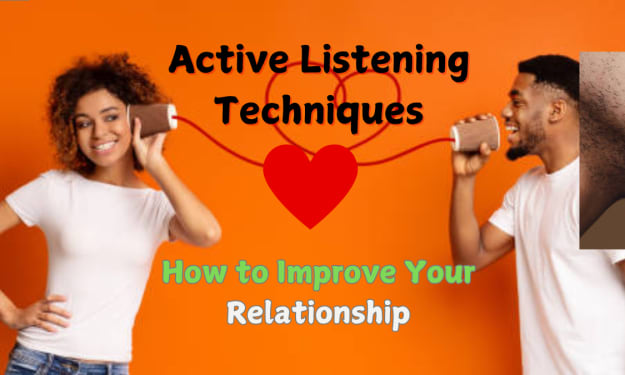
Active Listening Techniques: How to Improve Your Relationship
Effective communication is the cornerstone of any healthy relationship. Among the many skills that can enhance communication, active listening stands out as one of the most vital. Active listening not only improves understanding but also fosters empathy, connection, and trust. In this article, we will explore the importance of active listening, key techniques to implement it, and how it can transform your relationships.
By Abdul Jamil Nasirabout a year ago in Humans
A Historic Declaration
We the People of the Husbands of the United States of America, in Order to form a more perfect Union, and I mean you...with me...establish Justice, insure domestic Tranquility, provide for the common defence, promote the general Welfare, and secure the Blessings of Liberty to ourselves, after Puberty, do ordain and establish this Declaration of Co-Dependence.
By Gerard DiLeo10 days ago in Humans
iPhone 17e: A Quiet Shift in Apple’s Future
Every year, people wait for the next iPhone as if it carries a promise. A promise of better photos. A promise of smoother performance. A promise that this small object in our pocket will feel just a little closer to what we need. The conversation around iphone 17e feels different. It is not only about speed or camera numbers. It is about direction. Where is Apple heading? Who is this phone truly for? And why does the name itself suggest something slightly unexpected? The iphone 17e has sparked curiosity long before release, and that curiosity reveals something deeper about how we see technology in our daily lives.
By Muqadas khan5 days ago in Humans
Guard Your Battery
Why are some people so attractive just by standing there? It’s not because they are "likable," but because they don’t need everyone to like them. I realized later that truly charismatic people allow themselves to be criticized, but they never criticize themselves. They never try to please the world; instead, the world stops to watch them.
By Emily Chan - Life and love sharing4 days ago in Poets



Comments
There are no comments for this story
Be the first to respond and start the conversation.