
Exploring the World Through Our Senses: An In-Depth Journey into the Five Senses
Unveiling the Wonders of Sight, Sound, Taste, Smell, and Touch

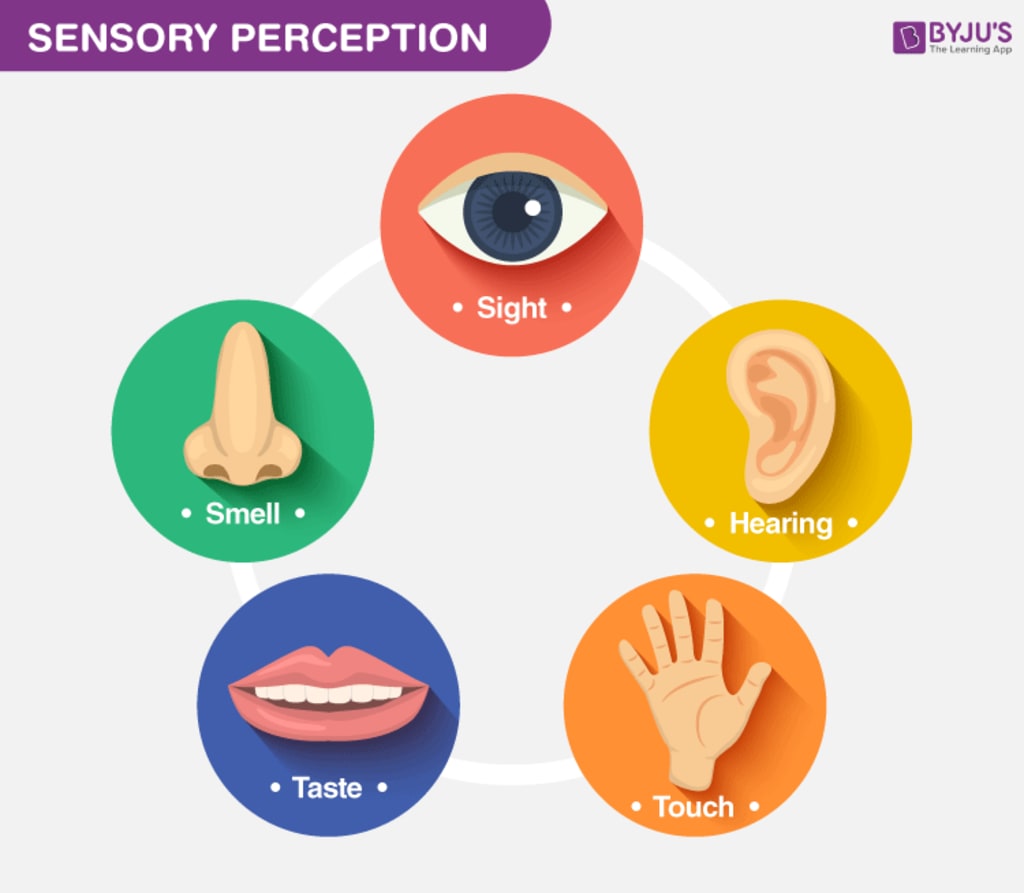
The Five Senses: Unlocking the World Around Us
Introduction
The importance of the five senses
How the senses help us perceive and interact with the world
Overview of the five senses: sight, hearing, taste, smell, and touch
I. The Sense of Sight
Function and anatomy of the eye
Role of light in vision
Visual perception and interpretation
The complexity of color vision
Visual illusions and their implications
II. The Sense of Hearing
Structure and function of the ear
Sound waves and their transmission
Auditory perception and processing
The role of hearing in communication and language development
Music and the impact on our auditory sense
III. The Sense of Taste
The taste buds and their role in tasting
The five basic tastes: sweet, sour, salty, bitter, umami
Factors influencing taste perception
Taste preferences and cultural variations
The relationship between taste and nutrition
IV. The Sense of Smell
Anatomy of the olfactory system
The role of olfaction in detecting and identifying odors
The connection between smell and memory
The influence of smell on emotions and behavior
The potential applications of scent in various industries
V. The Sense of Touch
The sensory receptors in the skin
Different types of touch: pressure, temperature, pain, and vibration
The sense of touch in social interaction and bonding
The impact of touch deprivation on human development
Therapeutic applications of touch, such as massage and tactile therapies
Conclusion
Recap of the importance of the five senses
How the senses work together to create a holistic perception of the world
The limitations and potential of each sense
Encouragement to appreciate and protect our senses for a richer experience of life
In a world filled with remarkable sights, sounds, tastes, smells, and textures, our five senses act as portals that enable us to explore and comprehend the world around us. Each sense provides a unique window into our environment, allowing us to experience and interpret the nuances of the physical and social realms. The sense of sight allows us to perceive the colors, shapes, and movements that compose our visual landscape, while the sense of hearing enables us to discern the melodies, rhythms, and nuances of speech. Through the sense of taste, we savor the flavors that tantalize our palates, and the sense of smell allows us to detect the scents that evoke memories and emotions. Lastly, the sense of touch allows us to feel the texture, pressure, and temperature of objects, and it plays a vital role in our physical and emotional well-being.
The sense of sight, often considered the most dominant of the senses, relies on the intricate structure and function of the eyes. The eye captures light, which then travels through a complex system of lenses, the cornea, and the retina. The retina, composed of specialized cells called photoreceptors, translates light into electrical signals that are transmitted to the brain for interpretation. Our visual perception is influenced by various factors, including depth perception, motion detection, and the ability to recognize objects and faces. Furthermore, the complexity of color vision allows us to appreciate the myriad of hues that adorn our world, adding depth and vibrancy to our experiences. However, the sense of sight is not infallible, as visual illusions demonstrate the limitations and complexities of our visual perception.
The sense of hearing enables us to perceive and interpret the sounds that surround us. The ear, an intricate organ comprising the outer, middle, and inner ear, captures sound waves and transforms them into electrical signals that the brain can process. The auditory system allows us to differentiate between various frequencies, volumes, and tonal qualities, enabling us to appreciate
About the Creator
Enshal Ejaz
I Am a Content Writer And Blogspot
Keep reading
More stories from Enshal Ejaz and writers in Humans and other communities.
The CEO of Everything
They say "jack of all trades, master of none," but they forgot to mention the part where the jack of all trades is also the camera woman, the makeup artist, and the person currently yelling at a tangled Wii microphone cable in a her own bathroom while recording herself singing and trying to make it look realistic and professional. (As professional as you can make it with nothing but a cell phone camera and a mic that doesn't work)
By Sara Wilson5 days ago in Humans
The Line We Were Never Meant to Cross — Part 2
I shouldn’t have gone back. I knew better. Every nerve screamed, run. But there was something about Aarav that made logic dissolve like sugar in rain. A week passed since that night. A week of sleepless hours, of replaying the feel of his hands, his mouth, the suffocating heat of him pressed against me. I told myself I was done, that I could survive without him. But survival wasn’t enough—I wanted him, and that made me dangerous to myself.
By Rosalina Janeabout 21 hours ago in Humans




Comments
There are no comments for this story
Be the first to respond and start the conversation.